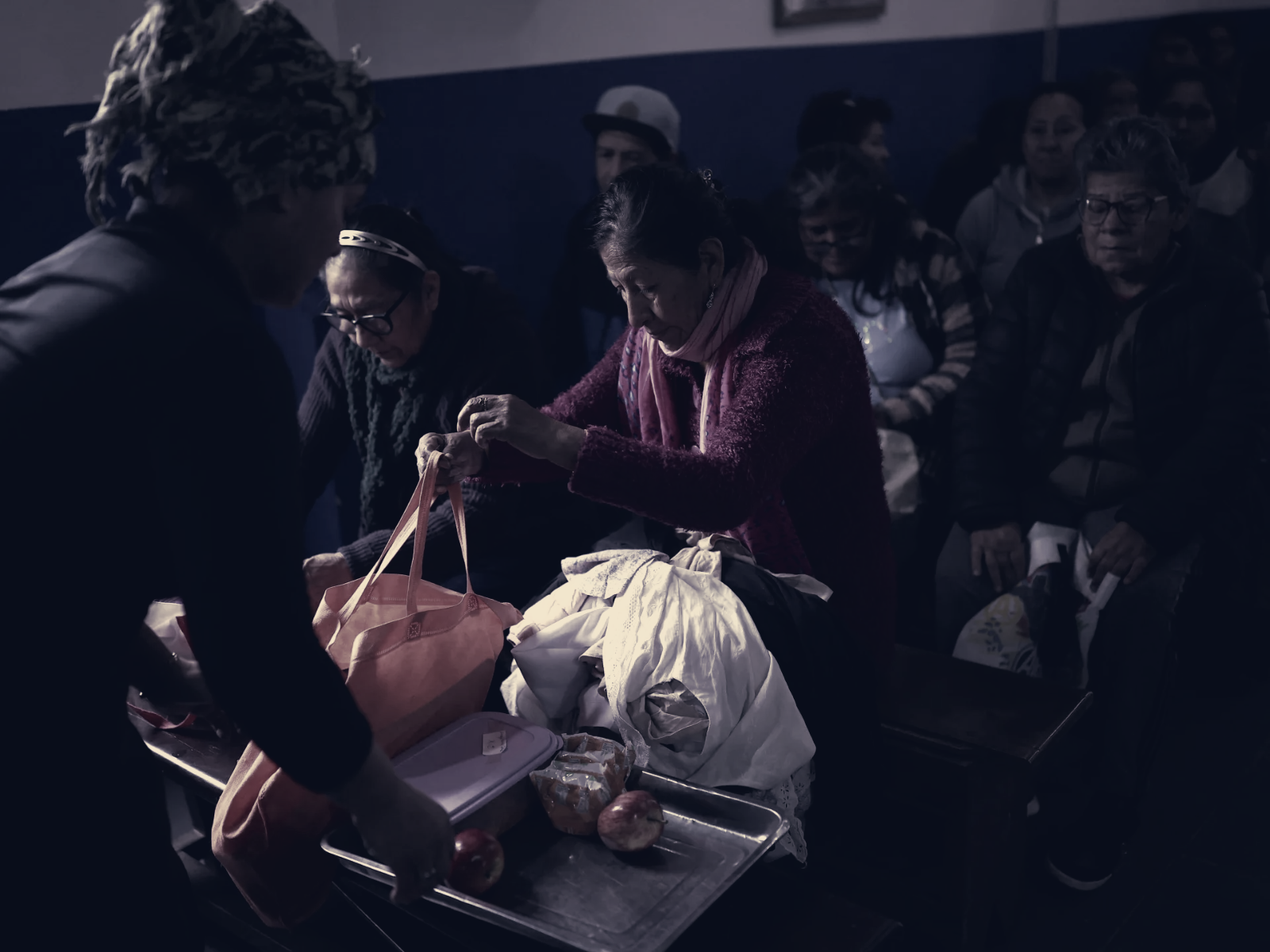
Poor households are losing ground, the national statistics office reported, as Argentina’s official poverty rate increased to 32.3 percent in the first half of 2026, a 4.1 percentage point rise from the second half of 2025. That deterioration shifts the political landscape because low-income voters who backed Javier Milei in 2023 now face deeper hardship.
The statistics agency also recorded a rise in extreme poverty, the share unable to cover basic food needs, from 6.3 percent to 7.5 percent over the same period. Unemployment climbed to 7.9 percent in the second quarter, the highest jobless rate reported since 2021, adding another channel of economic strain.
Official data show household income per person rose by 11.5 percent in the first half of the year, but the consumption basket used to set the poverty threshold increased by nearly 20 percent. The gap between nominal income growth and the cost of necessities leaves many families worse off in real terms and helps explain independent forecasts that expect further deterioration.
The Catholic University of Argentina, which is often regarded as an early indicator for official poverty trends, estimates the national poverty rate could reach about 35 percent by the end of 2026. The university’s projection implies the recent uptick may continue through the rest of the year, reversing some of the improvements seen after 2024’s crisis.
Poverty has followed a volatile path since Milei took office. It surged to almost 53 percent in the first half of 2024 after a sharp peso devaluation and deep spending cuts hit purchasing power. As inflation cooled, poverty fell to 28.2 percent in the second half of 2025, the lowest level since early 2018, but those gains now look fragile. Measured in real terms, average wages have not recovered to the level they held when Milei assumed office in December 2023.
Outside analysts signalled the political implications. “A modest increase in poverty would not undo the large decline seen under Milei, but it would suggest that the easier part of the improvement has run its course,” Nicholas Watson, managing director for Latin America at consultancy Teneo, said.
Public sentiment among poorer households reflects the economic slide. A September AtlasIntel survey found disapproval among respondents earning roughly up to $650 a month rose to nearly 70 percent, while approval fell below 30 percent, compared with 57 percent disapproval and 37 percent approval a year earlier. With a presidential vote scheduled for 2027, the numbers increase pressure on Milei to deliver stronger job creation and real wage growth to stabilise support among the electorate that proved decisive in his first campaign.