
Anthropic gained a decisive legal finding after a judge ruled the Trump administration illegally retaliated against the AI startup. The decision delivers clear judicial rebuke to the government action and marks a rare court determination about the limits of executive pressure on a private tech company.
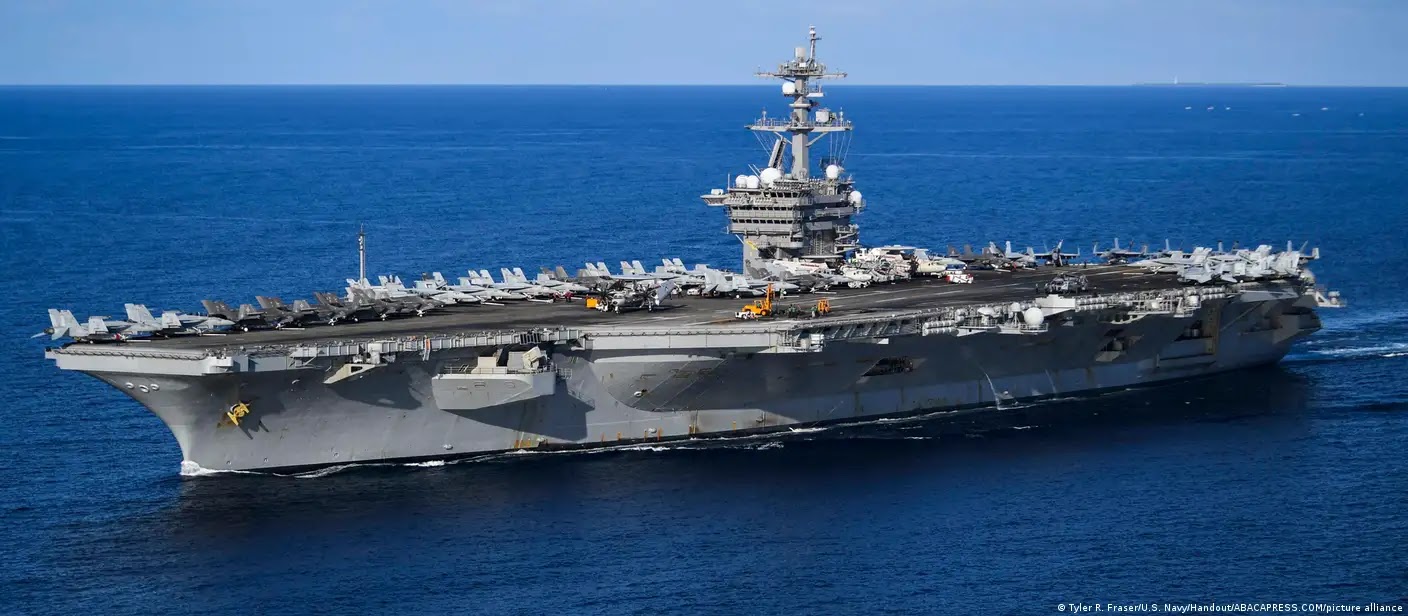
The ruling arrives against a backdrop of tensions between Anthropic and the Pentagon. The startup has been at loggerheads with the Defence Department over the use of artificial intelligence by the US military, a dispute that drew national attention as firms and regulators weigh commercial AI work against national security requests.
By declaring the administration's conduct unlawful, the judge strengthened Anthropic's legal position and stripped the government of a key defence for whatever measures it took. That shift matters beyond a single case, because it narrows the space in which political actors can claim authority to penalise or coerce technology firms that resist cooperation.
The finding also alters the practical calculus for other AI companies facing pressure from federal agencies. Firms that have resisted military use of their systems now have a recent judicial precedent to cite, a fact that will influence counsel, contract negotiations and corporate risk assessments in the sector.
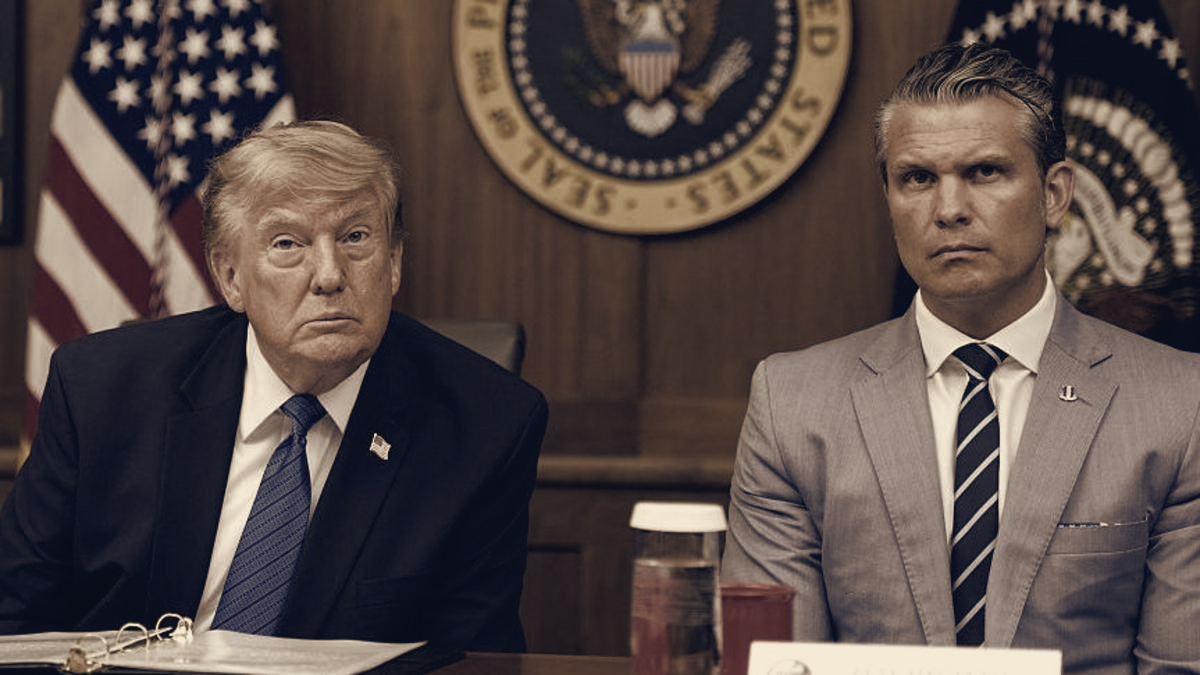
Politically, the decision exposes the administration to criticism for overreach in its dealings with the private sector. The ruling will be used by opponents to argue that government actors crossed legal lines in their response to corporate choices about military partnerships.
What happens next is consequential for legal and policy questions at the intersection of technology and defence. The ruling creates a legal reference point for future challenges to official pressure on companies, and it raises new questions about how the Pentagon, policymakers and industry will manage disputes over the military use of AI.