A post-election policy shift could cut payments from the Amazon Fund, putting 144 projects and roughly 288,000 beneficiaries at risk. The fund’s financing helped drive a fall in deforestation to a 10-year low and underpinned years of rebuilding in forest protection.
Created in 2008 with initial donations from Norway and Germany, the Amazon Fund has supported 144 projects across 18 years. Grants finance forest restoration, sustainable production, firefighting, environmental inspections and monitoring, and indigenous programmes, making the fund a central tool in Brazil’s recent conservation gains.
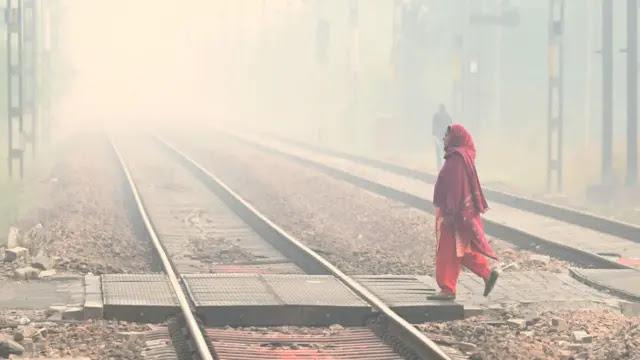
One project illustrates what could be lost. In 2018 the fund selected an initiative to support 614 families in 11 traditional communities in Tocantins who process babassu coconuts into oil, flour and handicrafts. The financing was designed to bolster local incomes while recognising those communities’ role in protecting the forest, and to relieve pressure from expanding soy farms and cattle ranches.
The babassu project was suspended after Jair Bolsonaro took office in January 2019, when his administration froze the fund’s contributions while it dismantled key environmental frameworks. When Luiz Inácio Lula da Silva returned to the presidency in January 2023, the Amazon Fund’s operations were restarted and previously paused projects were reconsidered. The babassu initiative resumed in April 2026 after nearly a decade on hold.
"The project was on hold for almost 10 years," said Selma Yuki Ishii, project coordinator and technical director at APA-TO.
Advocates frame the fund as globally significant. "It is one of the world’s leading funds for investing in projects that protect the rainforest," said Rayandra Araújo, a climate policy specialist at Talanoa. That prominence also makes the fund politically vulnerable; a repeat suspension would quickly interrupt financing for firefighting, environmental inspections, monitoring of environmental crimes and other activities the fund supports.
What happens next depends on government decisions and donor responses to the election outcome. Conservation groups are preparing for a possible sharp reversal that could again stop contributions and stall projects that took years to rebuild, leaving communities and monitoring systems exposed to funding uncertainty.