The International Atomic Energy Agency's board voted in Vienna to refer Iran to the UN Security Council, elevating the dispute over Tehran's nuclear activities to the UN's most powerful forum. The referral orders director general Rafael Grossi to take the issue to the Security Council, a procedural step that opens formal debate but does not itself impose penalties.
The resolution, put forward by the United Kingdom, France, Germany and the United States, passed with 23 votes in favour, eight abstentions, and three votes against from China, Russia and Niger. The IAEA said the move responded to a lack of clarity about nuclear material in Iran and restricted access for agency inspectors. The board's decision is the first referral of its kind from the agency's board in 20 years.
Tehran denounced the step. Iranian deputy foreign minister Kazem Gharibabadi wrote on X, "They attack Iran's safeguarded nuclear facilities, disrupt the normal process of verification, and then use that very disruption as a pretext to issue a resolution." Iran has previously warned the IAEA not to support such action and says it has denied inspectors access because facilities were struck during a series of attacks.
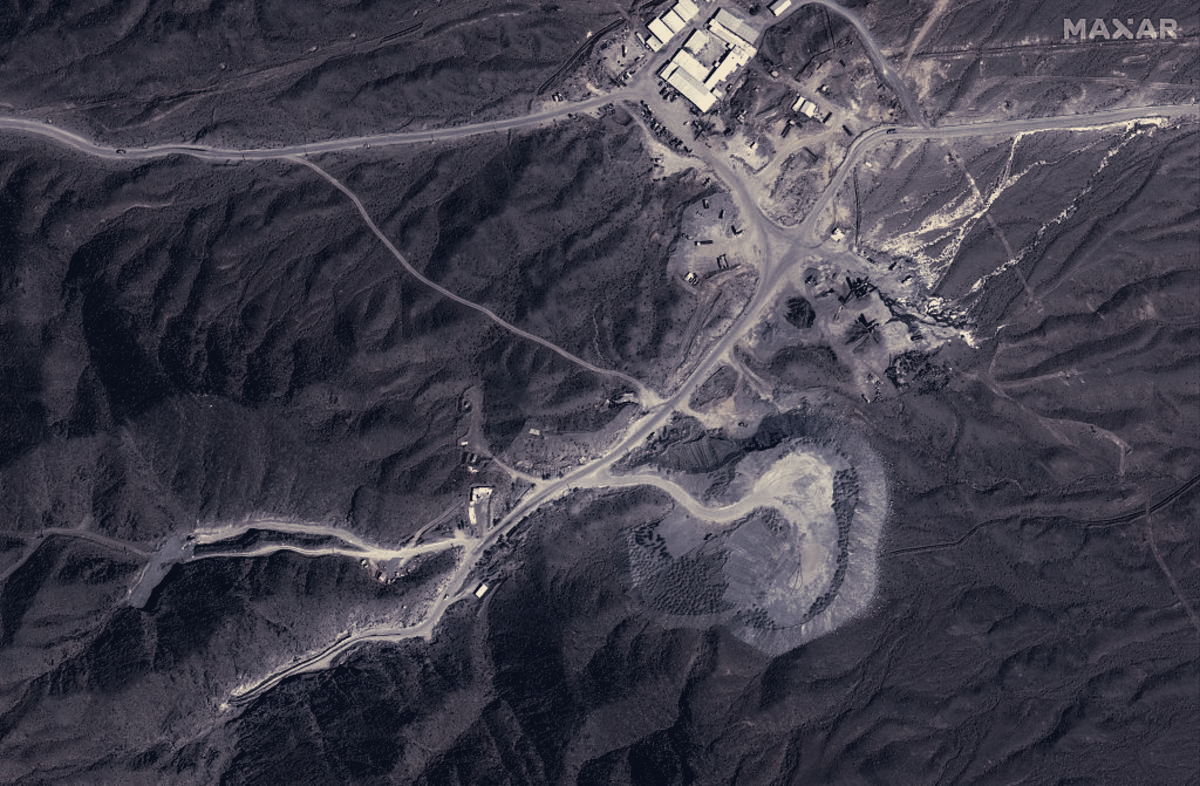
The IAEA says inspectors have been unable to conduct verification visits since strikes by Israel and the United States during a 12-day conflict in June 2025. The agency also noted the sites were hit again during the latest war that began on 28 February, and Iran has cited damage at facilities including the Natanz and Fordo enrichment plants as the reason for limiting access.
Western governments and US officials reject Tehran's insistence that its programme is purely peaceful. US officials have said that at the start of the latest US-Israel campaign against Iran, Tehran held roughly 440kg (970lb) of 60% enriched uranium, a quantity that can be enriched to the roughly 90% level associated with weapons much more quickly.
Procedurally, Grossi must now report the agency's findings to the Security Council, which could prompt debates or draft measures. In practice, however, any attempt to secure new UN sanctions faces a high bar because China and Russia voted against the referral, making a veto of punitive steps likely. The referral is therefore a diplomatic escalation that formalises concerns while leaving the prospect of fresh multilateral penalties doubtful.