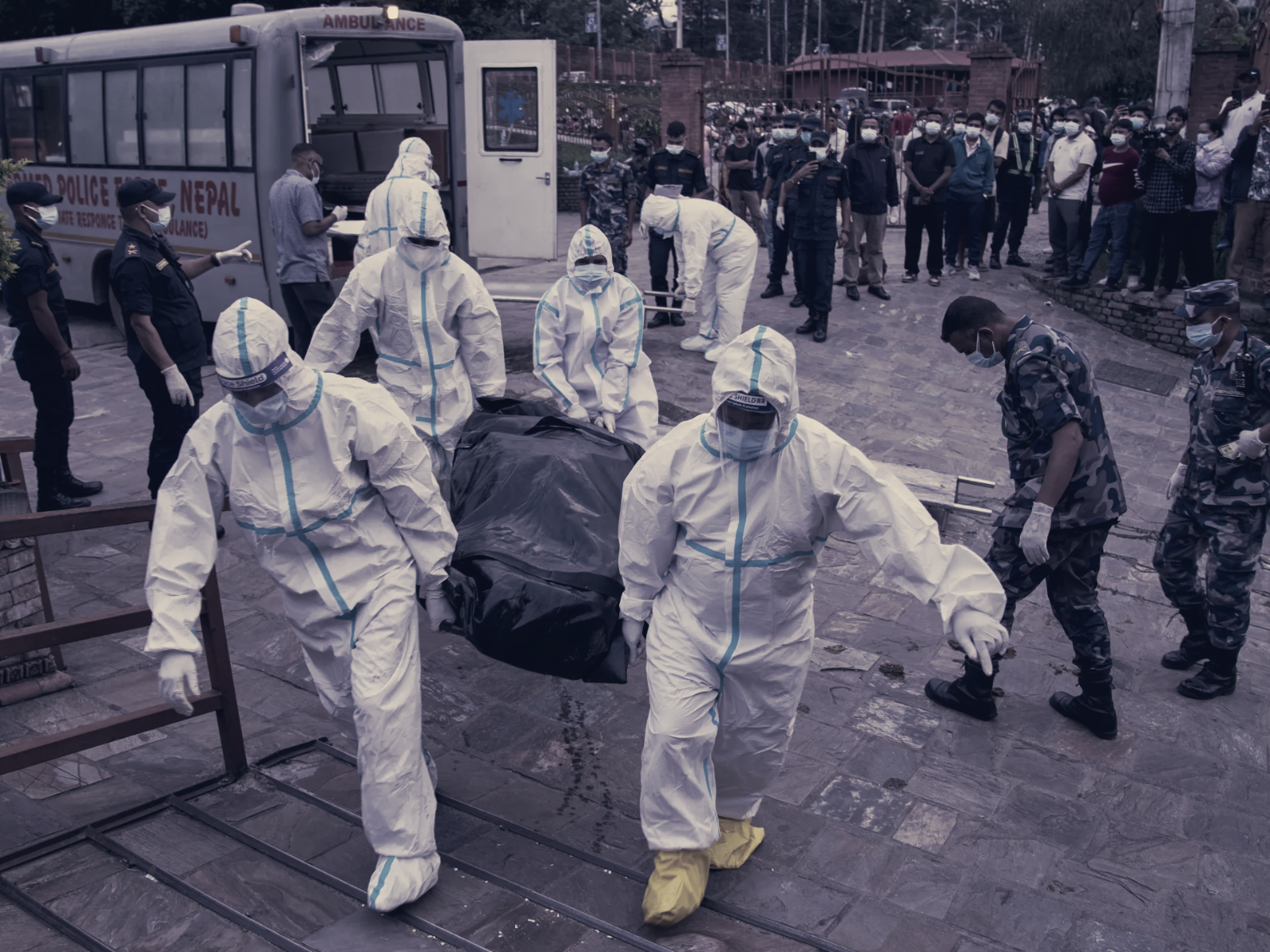

Forensic teams in Kathmandu and other affected areas are confronting large numbers of remains that are badly damaged or decomposed, making visual identification unreliable and creating pressure on overflowing morgues. Officials have asked first-degree relatives, fathers, mothers, sons or daughters, to provide fresh blood samples so laboratories can build reference DNA profiles. Families of missing foreign nationals can have the same tests done abroad and email results to Nepal Police for comparison.
Hundreds of family samples have already been gathered and routed to the Nepal Police Forensic Science Laboratory and the Nepal Academy of Science and Technology. India has dispatched a 19-member forensic team to work alongside Nepali staff at the Nepal Police Central Forensic Science Laboratory and the National Forensic Science Laboratory to speed analysis. China has sent a second group of DNA identification experts and a third batch of relief supplies.
The identification process follows the Interpol Disaster Victim Identification framework, which prioritises every available biometric link. DNA comparison joins fingerprints and dental records as the primary methods, and technicians select the approach that fits each case. Kerstin Montelius, a molecular biologist at Sweden’s National Board of Forensic Medicine, noted that DNA can often be recovered from bone when soft tissue is gone, although she warned, "DNA degrades, too, and circumstances set the decisions." Montelius also cautioned that early-stage visual identification may be impossible, leading to confusion.
Laboratory teams extract genetic profiles from blood, soft tissue, bone or teeth harvested from remains, then compare those profiles with samples supplied by relatives or, when available, personal items belonging to the missing. Computerised systems can flag potential matches for experts to review, and a match is declared only when the data align fully at the required markers.
The work addresses both an immediate humanitarian need and legal necessities around death registration. Officials continue search and rescue operations; on Friday morning reports indicated that two workers trapped in hydropower tunnels had been rescued. Meanwhile authorities are urging relatives to submit samples promptly, because the quality of recoverable DNA diminishes over time and speed will affect the number of identifications that can be completed.