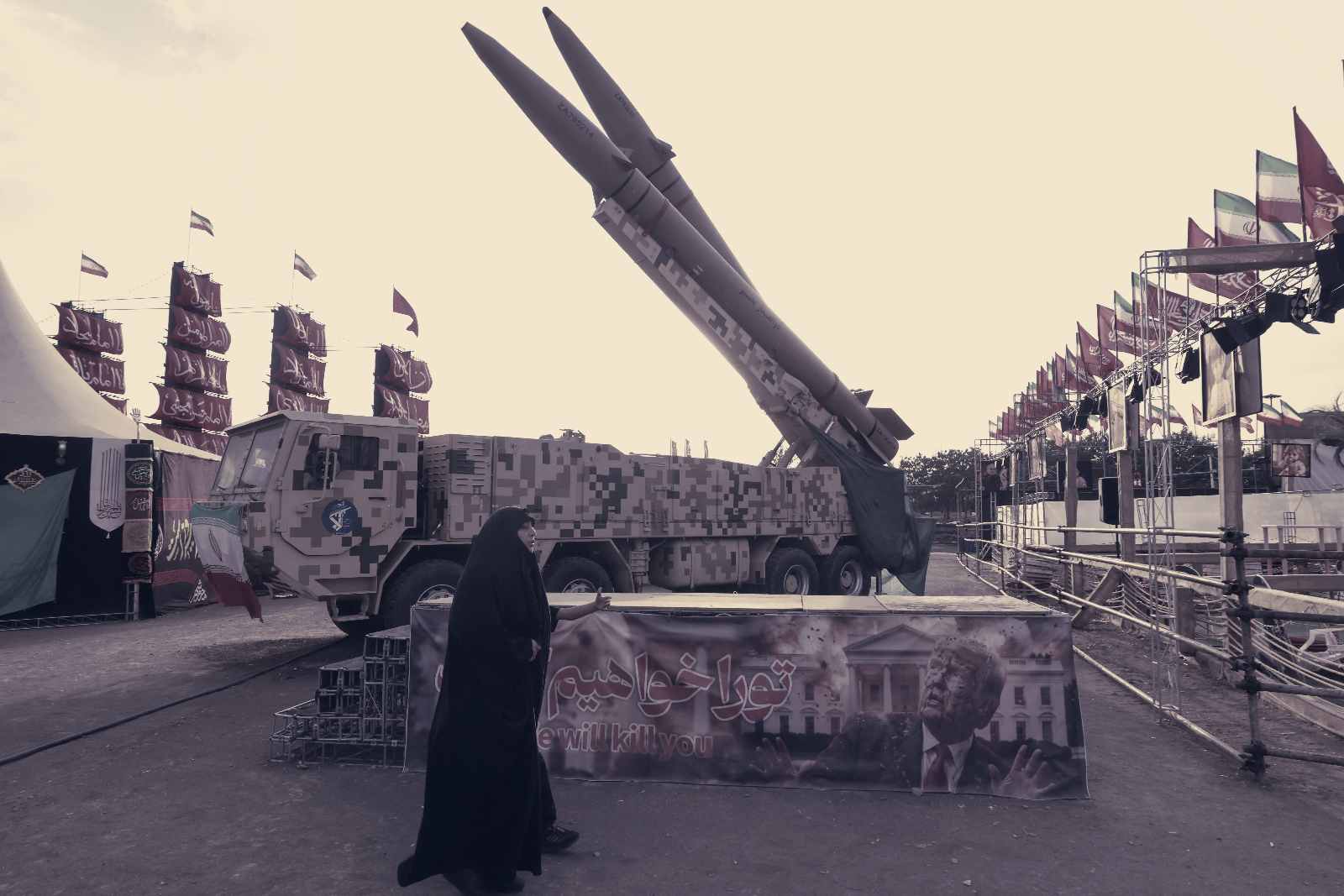

Markets have shifted, treating the Iran war as an extended standoff rather than a brief campaign. Six months in, price-setting and risk assessments now assume a drawn-out episode with no imminent resolution visible on current signals. That recalibration matters because financial decisions that once priced a near-term end must now factor sustained geopolitical risk.
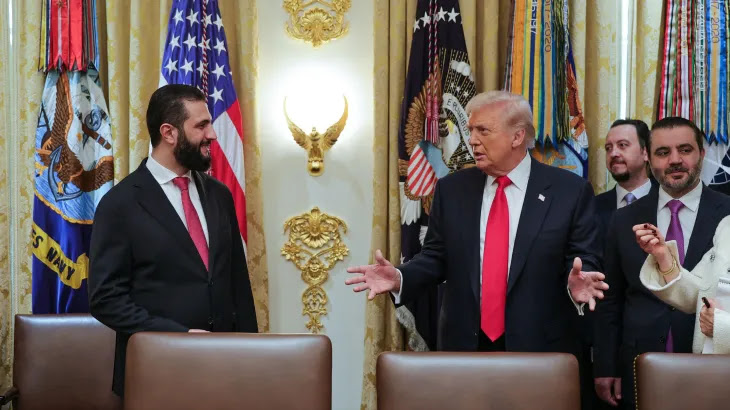
The current posture marks a clear divergence from earlier public expectations. The conflict has far exceeded the four to six weeks the Trump administration estimated it would take to meet its objectives in Iran, CNBC reports. That gap between forecast and reality changes how investors, fund managers and corporate strategists evaluate exposure tied to the region and to the conflict’s knock-on effects.
Practically, markets will treat developments through a different lens. Short-lived shocks will be judged against a baseline of prolonged uncertainty, which tends to mute knee-jerk volatility and shift emphasis toward longer-dated instruments and scenario planning. Capital allocation, risk premiums and hedging strategies that assumed a swift resolution must be updated to reflect sustained ambiguity.
For policymakers and businesses, the consequence is operational as well as financial. Planning for a brief campaign allows for discrete, time-bound contingencies. Planning for half a year or longer requires sustained resource commitments and contingency pathways that assume objectives remain unmet within initial timelines. The mismatch between expectation and outcome also carries political weight, as the credibility of prior public timetables is eroded.
What happens next will depend on whether events reset market expectations or further entrench the stalemate. For now, investors and institutions have adjusted their baseline: the Iran conflict is no longer a short-term shock to be arbitraged away, it is a persistent risk to be managed over months rather than weeks. That shift will frame decisions on capital, coverage and contingency until a clear change in the trajectory appears.