
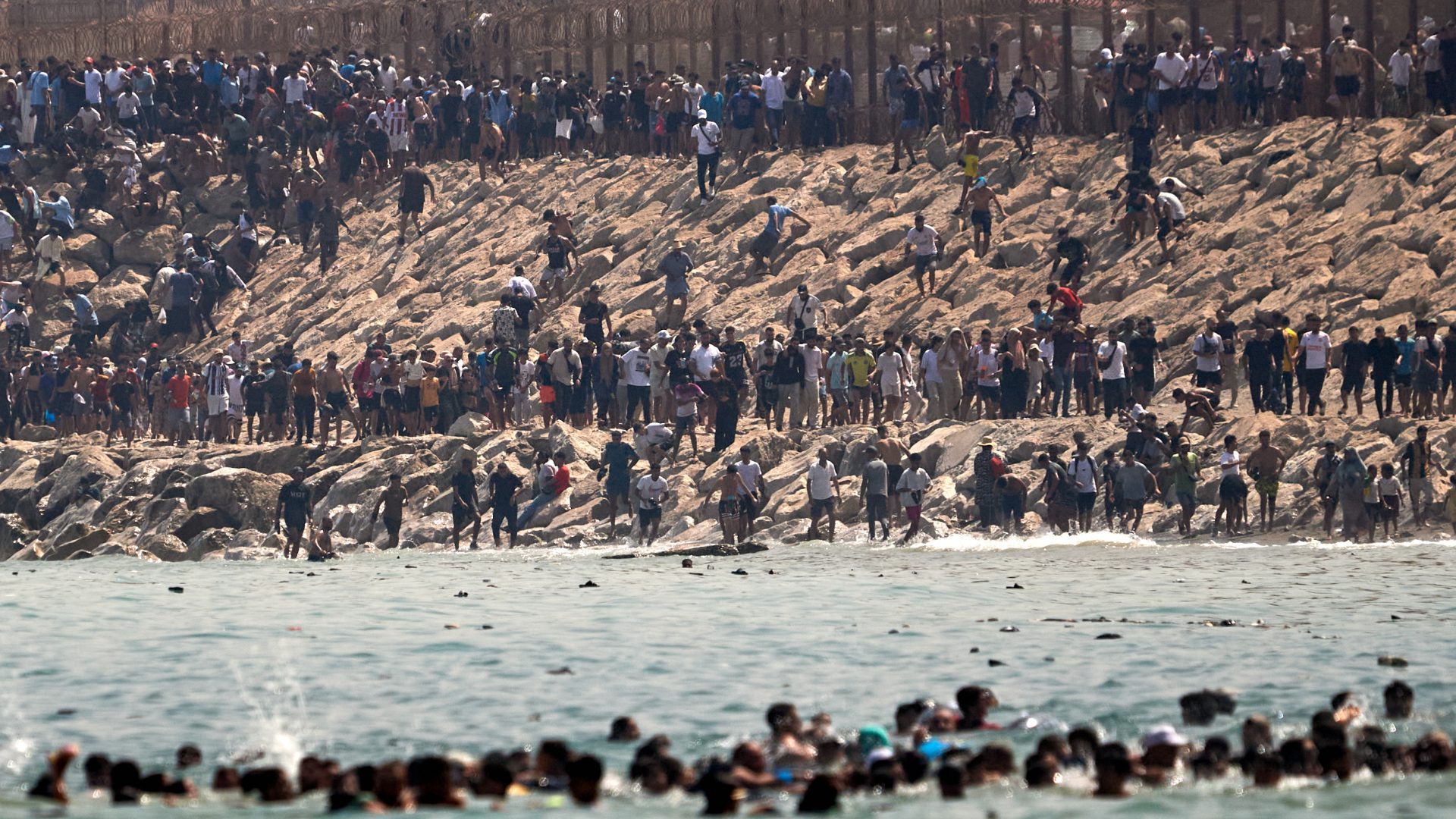
Spain is deploying troops to Ceuta after thousands of migrants entered from Morocco, escalating security measures while local services buckle under the influx.
The interior ministry said, "The armed forces will reinforce the Civil Guard in the exercise of its powers and any others that may be necessary to maintain security in the city of Ceuta." The ministry later added it was coordinating with Morocco to ensure the return of those who crossed "as soon as possible."
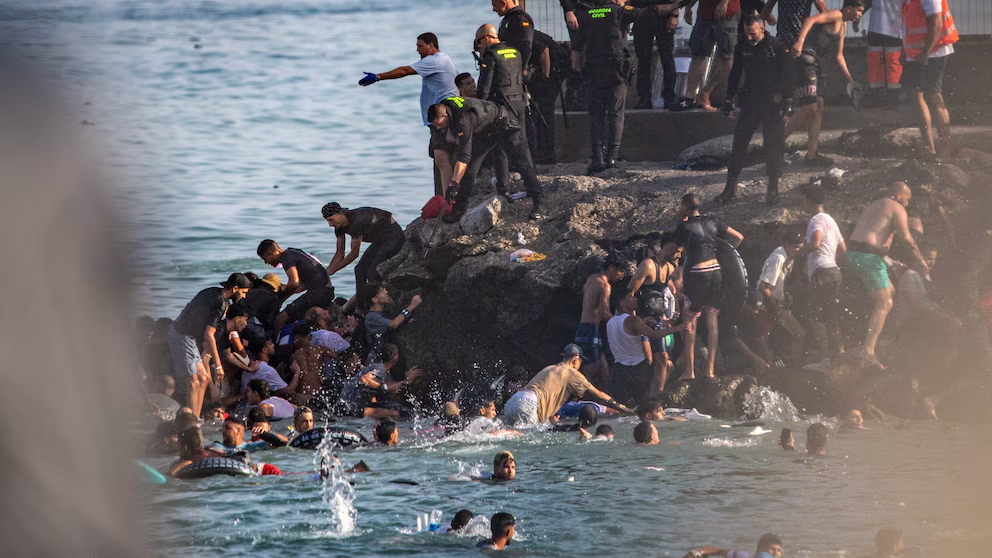
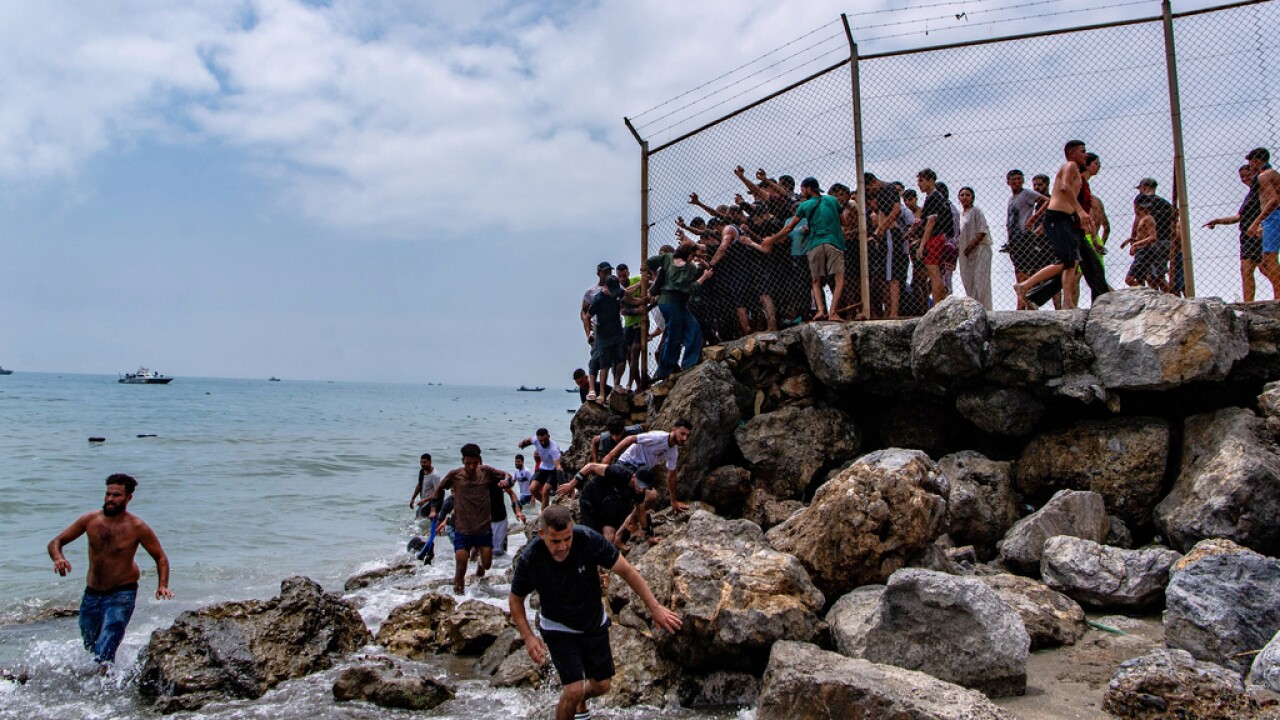
Authorities and media reported chaotic scenes as people slid down concrete embankments and swam around the jetty that marks the border. Spanish outlets, citing Reuters, put the number who reached Ceuta on Thursday at between 2,000 and 3,000, while some 300 to 400 people were reported to have crossed into Melilla. At least 18 people drowned attempting to reach the enclave.
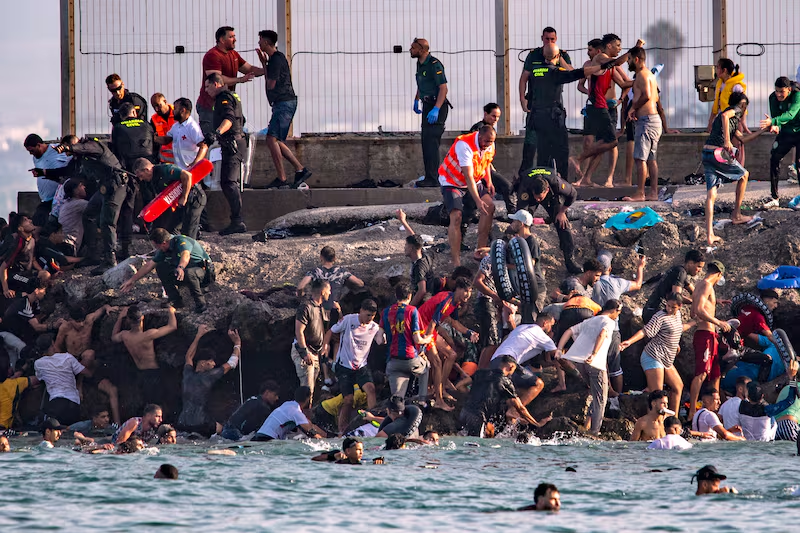
Local officials said border controls appeared to break down, with images and videos online showing rocks thrown across gates and thousands of young migrants sleeping on the streets. Ceuta’s leader, Juan Jesús Vivas, warned the influx was overwhelming resources and urged Madrid to intervene. Migrant reception centres were described as overwhelmed, and local authorities accused the central government of acting too slowly.
Spain’s Supreme Court this month ruled that migrants intercepted at sea while trying to reach Ceuta or Melilla cannot be summarily returned to Morocco. The interior ministry said human trafficking networks were exploiting that decision to "encourage the flow of undocumented migrants." The ruling and the ministry’s accusation featured in Madrid’s response to the surge.
The breach revived a tense diplomatic backdrop. Italy’s prime minister, Giorgia Meloni, wrote on X that the images were "striking" and said they show "uncontrolled illegal immigration poses a concrete threat to the security of Europe’s borders." Italy said it was considering "extraordinary measures" including suspending Schengen controls with Spain. Spanish Foreign Minister José Manuel Albares accused Italy’s foreign minister, Antonio Tajani, of weaponising the issue and described such remarks as "improper" for "a partner and friendly country from which we expect European solidarity and not partisan demagoguery." He summoned the Italian ambassador to Madrid.
There were also reports of clashes on the Moroccan side, with witnesses in Fnideq saying Moroccan authorities used water cannon to try to stop people reaching the border. Footage from Melilla showed confrontations at the Beni Ansar crossing. The scale of the weekend surge drew comparisons to May 2021, when around 8,000 people entered Ceuta over a matter of days.
Spain’s prime minister, Pedro Sánchez, is due in Ceuta on Friday and has pledged to restore normality immediately. For now, Madrid has increased military and security presence, is coordinating with Rabat on returns, and faces pressure from local officials and European partners as crossings continued overnight.