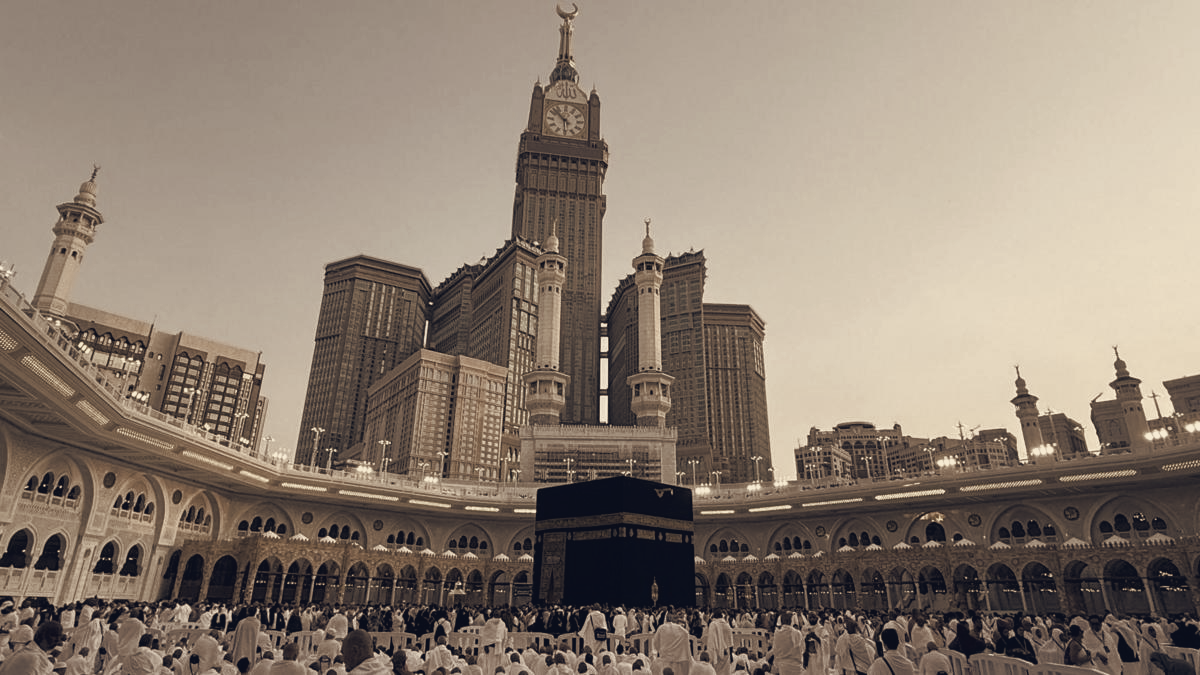
Mecca's security has been directly threatened after the Saudi-led coalition reported intercepting and destroying a Houthi drone south of the city, the coalition spokesman Turki al-Maliki said. The interception places attacks near Islam's holiest precinct at the centre of a widening cross-border confrontation.
Maj Gen Turki al-Maliki described any targeting of Mecca as a "disgraceful act." The Organisation of Islamic Cooperation added that strikes on Mecca and the neighbouring Medina province represented an "unacceptable and intolerable transgression."
The Houthi movement denied aiming at the holy sites. Military spokesman Yahya Sarea said there was "no threat whatsoever from Yemen to the holy sites," and that Houthi operations focus on Saudi oil infrastructure and military positions, which he said are distant from sacred places. Sarea also accused Saudi forces of carrying out more than 450 air strikes on Houthi-held areas during the past week, and he said Houthi fighters had shot down a Saudi jet over Marib province.
Maj Gen Maliki warned coalition forces would take "necessary and deterrent measures" against what he called the Houthi militia's hostile behaviour. Saudi authorities issued brief security alerts for incoming projectiles in several western provinces on Tuesday, including notices affecting Mecca and Jeddah.
The US embassy in Riyadh issued a "reconsider travel" advisory, saying Houthi attacks have struck cities, infrastructure, airports, military bases, diplomatic sites and energy facilities. The dispute has already spilled onto shipping lanes: the Houthis have seized stretches of Yemen's Red Sea coast, including the port city of Mokha and Perim Island in the Bab al-Mandab Strait, which links the Red Sea and the Suez Canal.
The Houthis say they do not threaten international shipping generally, but they have reserved the right to strike vessels linked to Saudi Arabia. Saudi officials also say the kingdom's East-West Pipeline was taken out of service after it was badly damaged in a strike they blamed on Iran-backed groups in Iraq. Some analysts expect repairs could take more than a month, although US Energy Secretary Chris Wright said on Tuesday oil flow should resume within days.
The UN Security Council held an emergency meeting after the latest escalation. Yemen's government and Saudi Arabia urged stronger responses to what they describe as Houthi attempts to constrict the Bab al-Mandab and disrupt global trade, and council members stressed the need to preserve freedom of navigation through the Red Sea.
The conflict continues to take a heavy humanitarian toll. The International Organization for Migration says more than 90,000 people have been displaced by recent fighting. The World Health Organization reported at least 500 deaths since the start of August, including 297 in the previous week. The wider war, which began after the Houthis seized Sanaa in 2014 and intensified when a Saudi-led coalition intervened in 2015, has left more than 150,000 people dead and placed more than 22 million in need of assistance.
Diplomatic and military responses are likely to focus on protecting shipping lanes and holy sites while preventing further escalation, with international attention fixed on whether the coalition will widen its strikes or seek tighter security measures in western Saudi Arabia.