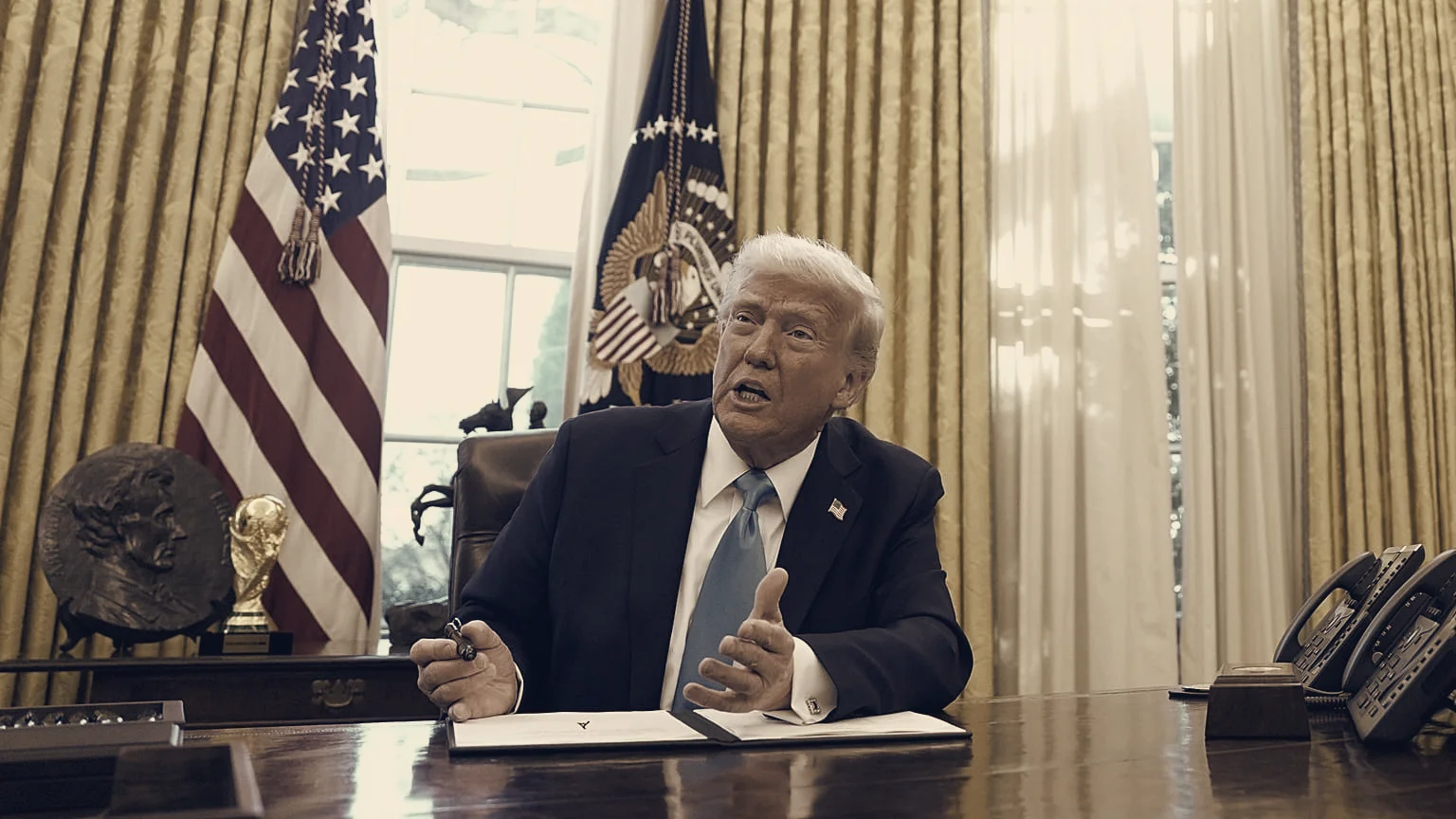
The White House has opened efforts to import potash from Belarus, a shift that would lower US purchases from Canada and aim to reduce fertiliser costs for farmers and ranchers. President Donald Trump announced the plan on his Truth Social account, calling the proposed transaction a "massive" purchase and saying pricing would be "for substantially less than we are currently paying to Canada, very good news for our farmers and ranchers."
Potash, the potassium-rich salt used to make fertiliser, is a staple input for US agriculture. US Geological Survey data show that in 2024 Canada supplied 79% of US potash imports, Russia supplied 11% and Belarus 4%. Global prices spiked after the 2022 invasion of Ukraine, putting pressure on farm input budgets and prompting the administration to seek alternative sources.
The move marks a diplomatic thaw between Washington and Minsk that has already produced concrete steps, including the release of 25 political prisoners by Belarus and the US lifting sanctions on two Belarusian companies. Those actions follow years of penalties imposed after Belarus aided Russia's attack on Ukraine and after Belarusian authorities crushed mass demonstrations following the disputed 2020 election.
Critics warn any commercial ties would channel revenue to a government led by Alexander Lukashenko since 1994, one accused of repressing opponents and assisting Moscow. Exiled opposition leader Sviatlana Tsikhanouskaya said the plan is "very risky." She added, "Our position is that it is not time to trade with the regime while all the income from potash goes to repression, goes to support of the Russian war machine," and said Americans "know who Lukashenko is."
The administration presents a cheaper supply as a direct benefit for producers facing high input costs, but officials have not released details on a contract, timing or mechanisms to prevent proceeds flowing to sanctioned actors. The next step is whether the White House secures commercial terms and moves to formalise purchases, a process likely to draw scrutiny from allies and rights groups and raise fresh diplomatic questions about balancing energy and agricultural needs with human-rights concerns.