
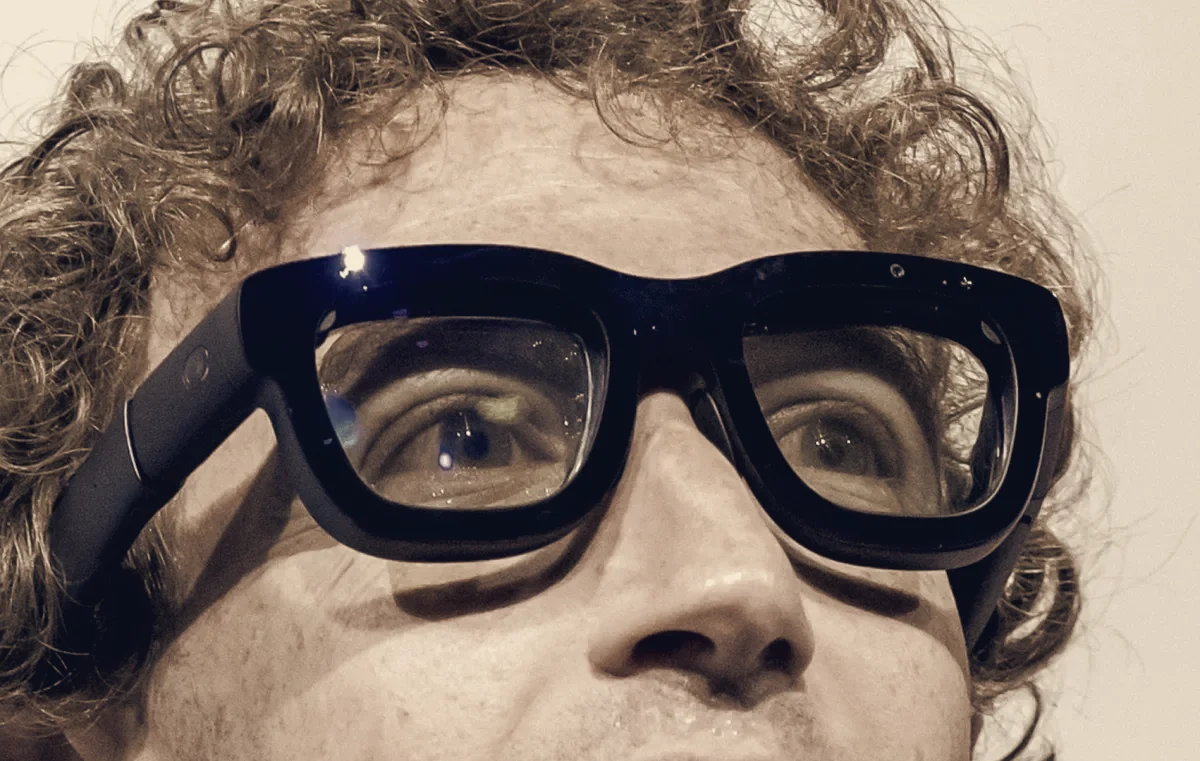
Meta is preparing to sell a smart glasses model that removes the integrated camera from its hardware offering. The shift is designed around voice and agent features: the device, reportedly called Luna, relies on six built-in microphones and a side button that, when pressed, activates Meta's AI chatbot and its Muse consumer agent.
The company has faced vocal pushback over earlier camera-equipped frames, criticised by some consumers as intrusive and labelled 'perv glasses.' Meta's camera glasses have still outperformed many rivals in the emerging wearables market, but privacy concerns have remained a persistent headwind for wider adoption.
Luna appears to be Meta's attempt to reframe that argument by offering an option that strips out on-device imaging while preserving always-available AI interaction. The microphones would allow hands-free conversations with the company's AI services, while the physical button gives users an explicit control to start an interaction. Meta may unveil the glasses at Meta Connect, its annual hardware and developer event, in Menlo Park next week.
The move comes as Meta's Reality Labs continues to run large losses, a condition highlighted in its April earnings report. The smart glasses sector has expanded over recent years, but the market still wrestles with questions about usefulness, price, and privacy, matters that have complicated commercial progress for the category at large.
By prioritising voice and agent capabilities over embedded cameras, Meta is testing whether a lower-privacy-risk form factor can broaden consumer interest without abandoning the core premise of always-available AI. The company has not yet confirmed technical specifications or pricing, and an official reveal at Meta Connect would clarify whether Luna is a mainstream product or a narrower, privacy-focused alternative.