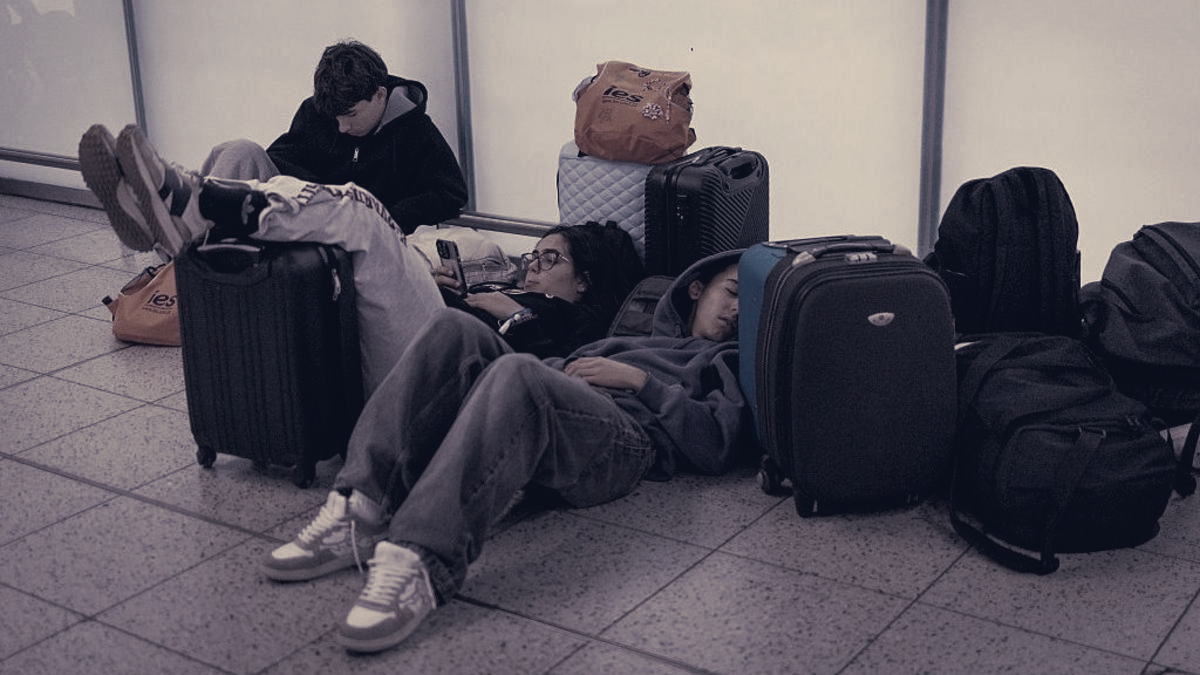
Passengers lost travel plans after a four-hour failure in the UK air traffic control system, with more than 2,000 flights cancelled as disruption stretched into a second day. Transport Secretary Heidi Alexander has ordered an independent review by the Civil Aviation Authority and asked Nats to produce its own report within one week.
Alexander said she met Nats chief executive Martin Rolfe and that a cyberattack could be ruled out, but she added, "I do not believe this issue was unavoidable." She said there must be "tough questions about resilience of Nats systems" and that officials must consider "consumer redress issues." The government said it had confidence in Rolfe, who has led Nats for 11 years, even as airlines including Wizz Air and Ryanair pressed for his resignation.
Nats apologised for the outage, which the company described as a "technical issue" first logged at 13:46 BST on Tuesday at its Swanwick Centre in Hampshire. About 90 minutes later Nats said it had identified the fault as affecting its flight processing system, the technology that updates flight plans and operational information controllers use to manage traffic. Nats said the system issue had been resolved by 19:30 and it was working to clear the backlog.
By Wednesday evening flight analytics firm Cirium reported the number of flights cancelled or failing to depart since the fault emerged had grown to more than 2,000. Tracking site FlightRadar24 showed Heathrow, Gatwick, Manchester and Birmingham among the worst hit. A Heathrow spokesperson said its "operations are recovering," and Gatwick added that while flights had resumed "it will take time for our operations to fully return to normal." Several other airports said services had restarted but knock-on effects persisted.
The failure is the third major technical fault for Nats in three years. In 2023 a computer shutdown over the August bank holiday weekend disrupted 700,000 passengers, and a smaller outage in 2025 led to 150 cancellations. The company is variously described in official material as 49% owned by the government and as a public private partnership with the government holding the majority stake, with the remainder held by a group of UK airlines, Heathrow and Nats staff.
Industry body Airlines UK told ministers it had "registered serious concerns" and argued that airlines often pick up the costs of such failures while organisations responsible face limited financial consequence. The body’s chief executive, Tim Alderslade, said accountability should match responsibility and pointed to the Civil Aviation Bill as an opportunity to address the imbalance. The immediate next steps are Nats’ one-week report and the CAA’s independent review, which Alexander has asked to present an update in six months.