
Customers lose confidence when restaurants publish AI-generated menus because the images produce a distinct, off-putting sameness that signals something is wrong with the food.
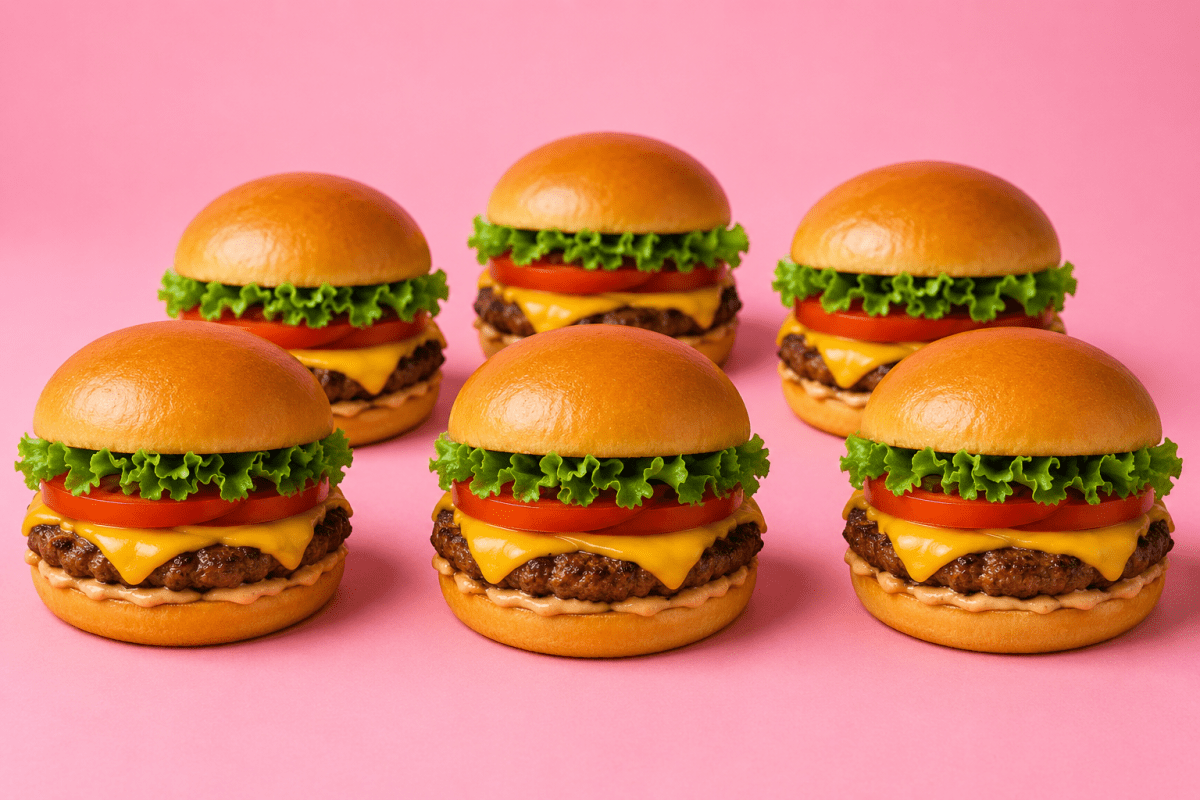
What restaurant owners often see as a quick design fix can register as a visceral rejection at the table. Image generators trained on massive, curated datasets tend to prefer a narrow, “pleasing” aesthetic, creating pictures of food that are too symmetrical, too smooth, or oddly arranged. That flattening of detail leaves dishes looking unreal in ways diners detect even if they cannot explain why.
The technical explanation centres on how these models learn. They infer patterns from vast pools of existing images and text, and when many of those inputs share a similar commercial style, the outputs converge on that style. Alex Lisle, CTO of Reality Defender, put it bluntly: "It's almost like an alien trying to make a pizza without understanding its core principles." He warned that feeding AI outputs back into training data risks a deeper degradation over time, adding that "what we see here is convergence, which isn't necessarily model collapse."
Convergence produces two problems for restaurants. First, images trend toward an idealised, advertisement-ready look that neither matches real plating nor sets realistic expectations. Second, iterative edits amplify the effect. Repeatedly tweaking an AI-created menu to change price points or item names can progressively smooth textures and erase the quirks that signal authenticity. A widely shared experiment that edited a single AI menu many times produced results its author called uncomfortable, and reporters who replicated the test observed the same steady drift toward blandness.
Researchers have begun to quantify the response. Studies identify an uncanny-valley effect for near-real food images, where pictures that almost pass for real provoke more disgust and unease than obviously fake ones. That dynamic helps explain why some diners react strongly against restaurants that substitute genuine photography or handcrafted art with machine-made images.
The immediate business consequence is reputational, restaurants risk alienating customers and inviting backlash. At the same time, a small industry of detection and verification firms has emerged to capitalise on the problem, offering tools to flag AI content. What happens next depends on whether restaurateurs invest in genuine photography, diversify training inputs, or rely on detection services to catch the sameness before it reaches diners.