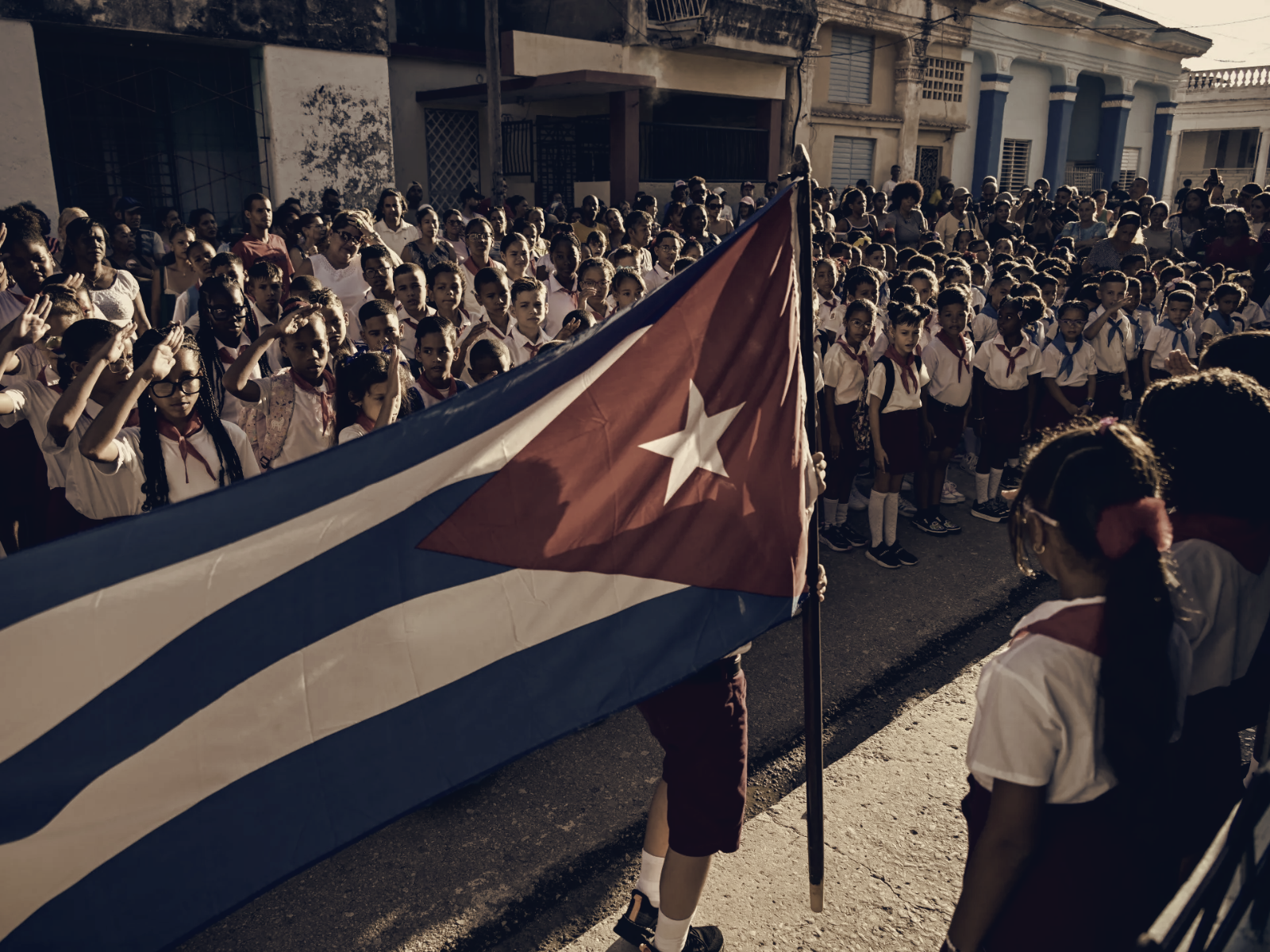

Cuba’s economy faces immediate contraction after Washington added several companies, a Castro family member and a state-owned bank to its blacklist, tightening an already escalated campaign that began in January. The latest listings name 31-year-old Fidel Ernesto Castro, the grandson of 95-year-old Raul Castro, two nickel-mining firms, two energy-sector companies, an oil import concern and Banco Exterior de Cuba. The measures remove partners and payment channels that the island relies on, sharpening shortages for fuel, electricity and medical supplies.
US officials framed the move as punishment for Havana’s leadership. “Cuba’s Communist regime elites preside over a failed state where ordinary Cubans go hungry,” US Secretary of State Marco Rubio said in a social media post. The blacklist follows a broader US approach that combines stepped-up sanctions with restrictions on fuel shipments, a strategy US officials describe as intended to spur regime change.
Havana has responded with a mix of limited liberalisation and political gestures. In June the government adopted 176 measures described as mostly pro-market and released some prisoners as a stated humanitarian step. On Thursday it published 34 pages of legal changes designed to loosen state control in key sectors, including tourism. Under those rules private firms may open tour and travel agencies independent of the state, hire staff without routing contracts through government employment agencies, and some domestic investors will find it easier to open foreign bank accounts.
Humanitarian and infrastructure impacts are central to the dispute. Critics argue the combined effect of sanctions and an effective energy blockade has pushed the power grid and the health system toward collapse. Volker Turk, the UN high commissioner for human rights, said in June that the restrictions were “directly harming Cubans” and demanded an end. “Children are dying because doctors lack access to essential medical supplies and medicines,” he added.
Cuban officials rejected the US case. Foreign Minister Bruno Rodriguez told the state-run Gramma newspaper that Havana does not threaten US security or the US economy. “The truth is that Cuba does not threaten US national security or the US economy, nor does it wish to do so,” he said. “The accusation that Cuba allegedly sponsors terrorism actually reveals the US government’s lack of seriousness.”
The confrontation is likely to continue. Washington has signalled tougher pressure since January and has not been mollified by Havana’s market reforms, leaving public services and the island’s fragile economy at further risk as sanctions restrict trade and finance channels.