
European governments are stepping up public accusations and targeted seizures in response to a renewed wave of suspected Russian sabotage, but they lack practical measures that stop short of direct military confrontation.
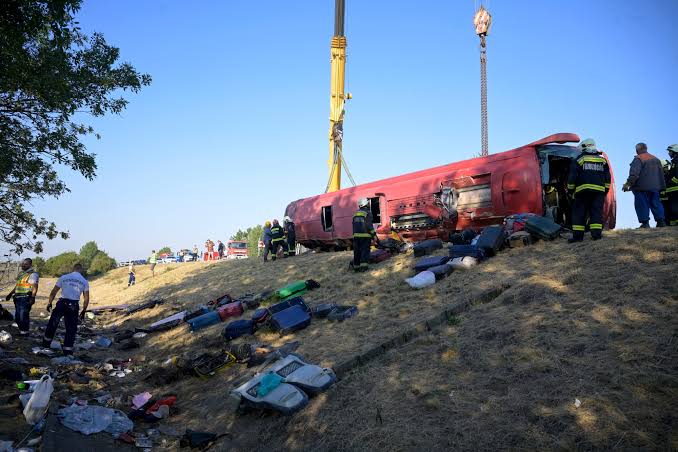
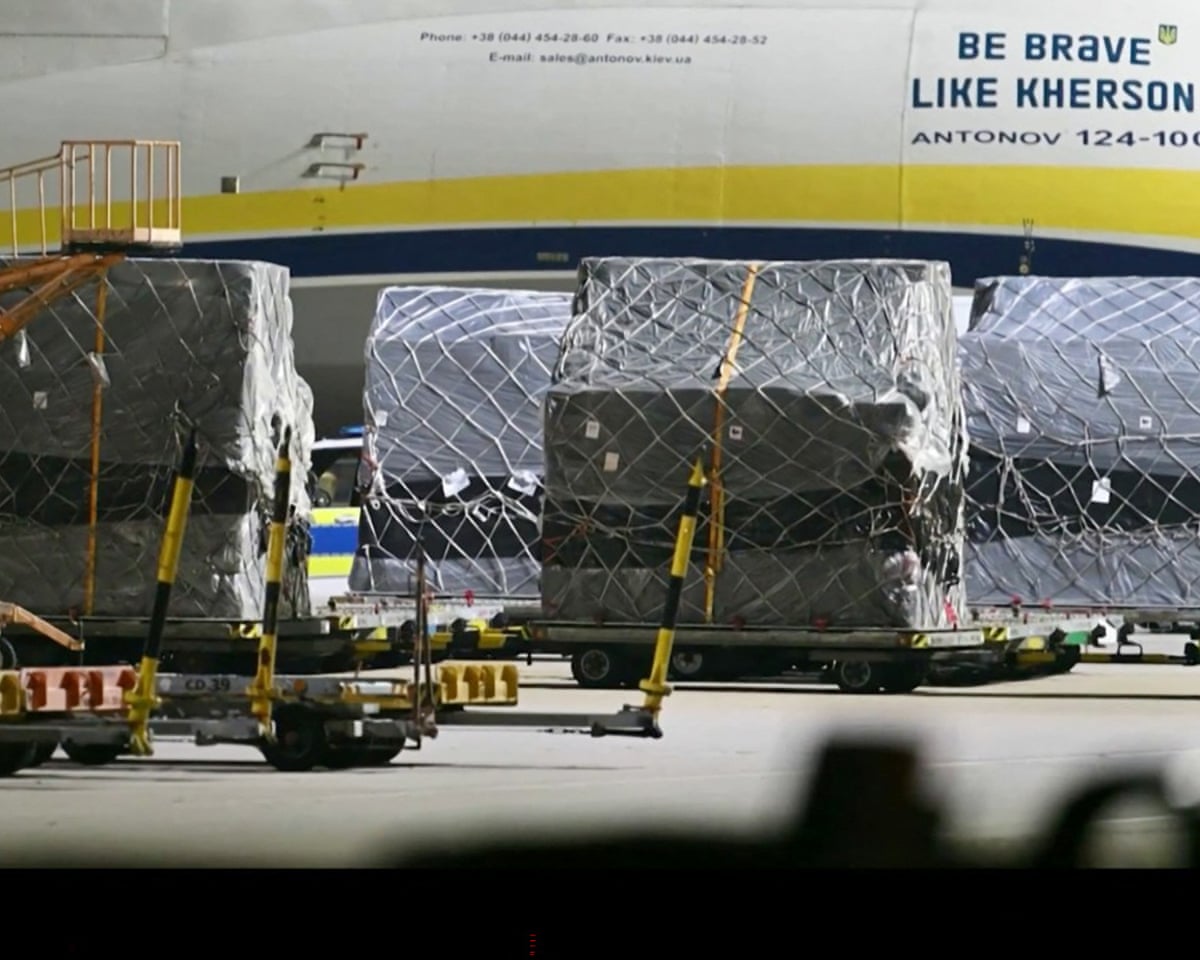
Over the past month an explosives-laden drone was found beside a Ukrainian cargo plane at Germany’s Leipzig airport, Poland reported suspected sabotage, and a series of unexplained fires and explosions struck defence suppliers across the continent. Authorities say the incidents aim to sow chaos and weaken support for Ukraine, yet investigators still struggle to link many attacks conclusively to Moscow.
Security services have noticed a change in tradecraft. Rather than sending professional operatives into Europe, Russian handlers are increasingly recruiting individuals remotely through platforms such as Telegram and paying them in cryptocurrency for specific tasks, a pattern that lets controllers remain outside the jurisdictions where attacks occur. Denmark warned this week that Russian recruitment efforts included Danish citizens targeted to damage defence companies with links to Ukraine.
Berlin moved much faster to attribute the latest Leipzig incident to Russia than it did last year, when an incendiary parcel at a DHL hub in Leipzig took about nine months before investigators pointed to the GRU. Within days of the most recent episode, German officials publicly blamed Moscow. Their initial response closed a Russian cultural centre and a consulate, and Moscow retaliated by shutting the already gutted Goethe-Institut.
That exchange highlights Europe’s dilemma, officials say. Many intelligence services on the continent are structured primarily for information gathering and have far less legal latitude to run covert operations abroad than agencies such as the CIA. That narrows policy choices to diplomatic measures, economic sanctions, expulsions and law enforcement actions, leaving a gap between routine reprisals and overt military steps.
To plug that gap several EU states, including the Netherlands, have proposed bills to expand the surveillance powers of their intelligence agencies. Other responses have focused on Russia’s maritime logistics, where authorities have begun detaining vessels linked to the so-called shadow fleet. Norway recently seized a Russian ship in Svalbard at Ukraine’s request, demonstrating a more tangible lever for disruption, though critics say such moves are not yet a sufficient deterrent.
Voices in eastern Europe are urging a tougher line. Poland and the Baltic states have pushed their western partners to impose higher costs on Moscow. The Polish foreign minister, Radosław Sikorski, warned that “Hybrid war is not just a nuisance on the internet,” and listed violent tactics he said have been used. “We need to convince Putin that such actions are not for free,” he added, while also noting the limits of diplomatic measures when he recalled closing consulates in response to earlier incidents and quipped that he had run out of consulates to close.
For now, Europe appears to be shifting from hesitation to firmer public attribution and selective interdiction, but officials acknowledge a persistent problem: the tools available fall short of a reliable, escalatory response that deters sabotage without provoking open war.