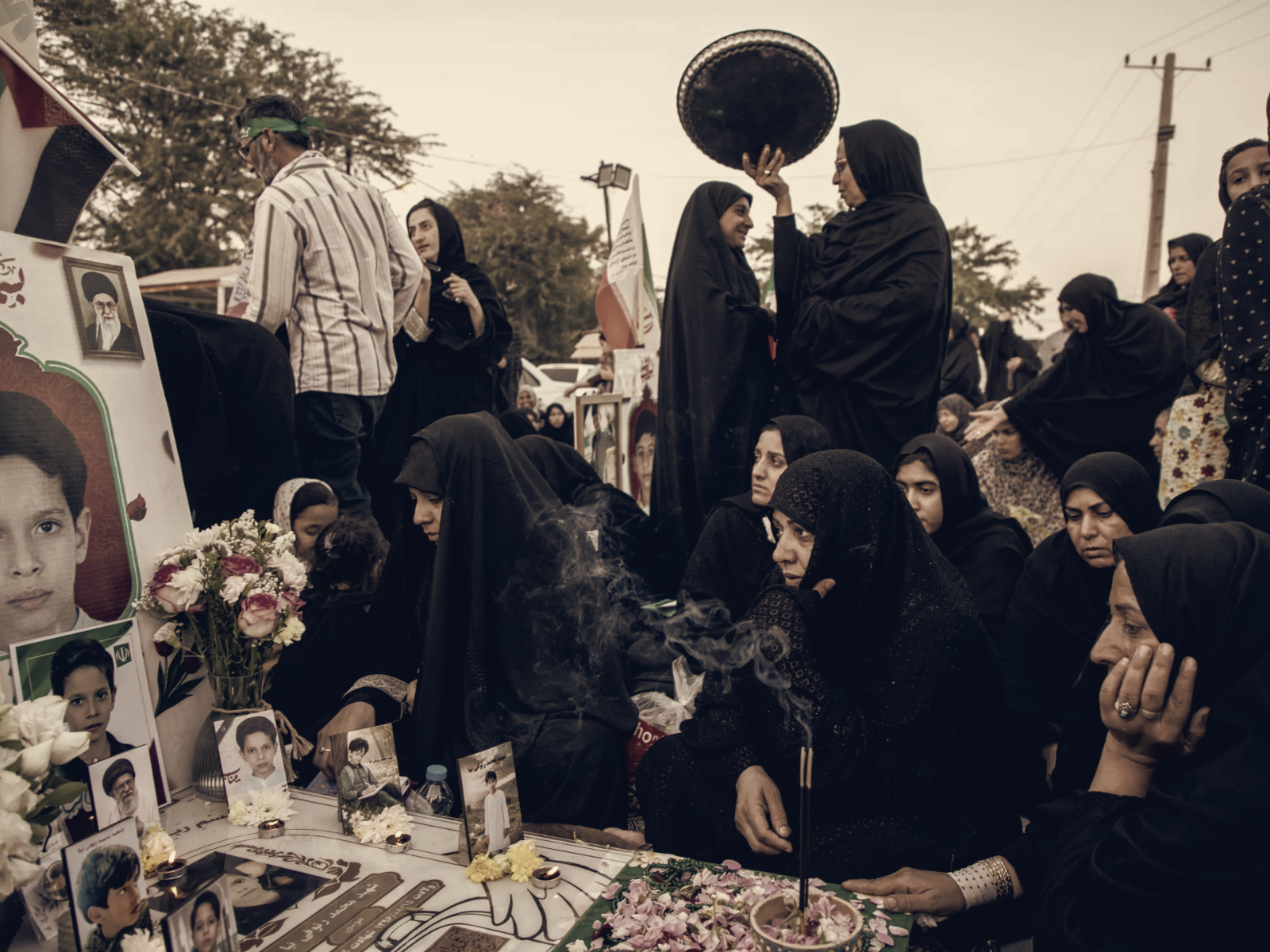
The UN fact-finding mission's assessment that US forces may have committed war crimes in Iran shifts the conversation from allegation to international scrutiny, and places both Washington and Tehran under a sharper legal and political microscope. The mission also concluded that Iranian authorities committed crimes against humanity during their crackdown on recent protests, framing the two sets of findings as part of a single report.
Those conclusions, presented by the mission, do not themselves create prosecutions, but they change the terms of debate. Rights advocates and legal actors typically treat UN fact-finding reports as a basis for pressing governments or international institutions to open formal inquiries or to refer matters to judicial bodies. For states, the reputational cost of a UN determination can translate into diplomatic pressure, parliamentary questions, and demands for transparency about operational conduct.
For Tehran, the finding that its response to protests amounted to crimes against humanity strengthens accusations of systematic and widespread abuse by security forces. For Washington, the mission's view that US actions in Iran may meet the threshold of war crimes invites scrutiny of policy, targeting decisions and oversight mechanisms. Both assessments will be used by political opponents and international critics to press for accountability.
The immediate practical outcomes will depend on how governments, UN organs and civil society groups respond. The report may prompt calls for investigations at the international or national level, requests for access to evidence, or diplomatic démarches aimed at securing explanations. It will also figure in how foreign governments calibrate relations with Iran and the United States, particularly where legal exposure or political backlash is a concern.
What happens next will hinge on follow-up from states and international bodies that have the mandate to pursue investigations or legal action. The mission's findings have converted contested allegations into a formal UN assessment, making a political and legal response more likely than before.