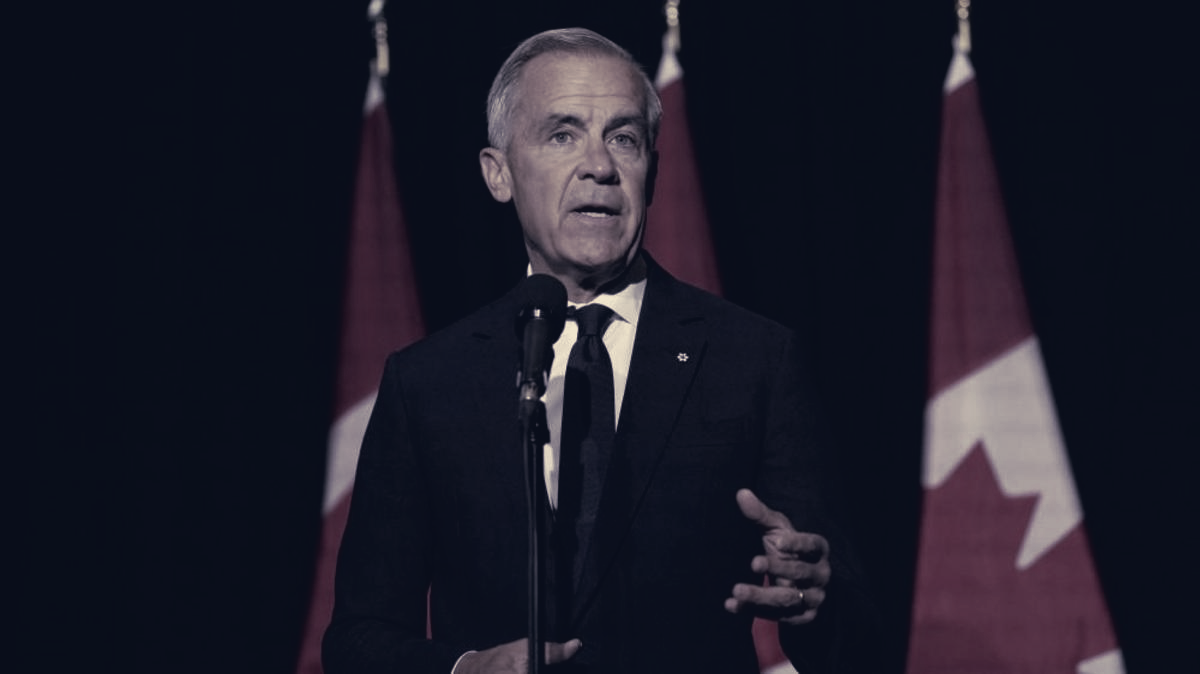
The immediate consequence is a bid to replace risky US exposure with foreign capital, as Mark Carney uses personal finance ties to attract investment to Canada. For two days in Toronto the prime minister is hosting more than 100 global investors who together oversee over C$100tn ($72tn; £53) in assets, aiming to steer funds into energy, AI, defence, transportation and infrastructure projects.
Carney opened the summit by arguing that "Canada has what the world wants," and organisers billed the gathering as a "first of its kind" effort to create new economic relationships while a tariff dispute with the United States continues. Guests include representatives of major sovereign wealth funds from the United Arab Emirates and Norway, and chief executives such as BlackRock's Larry Fink and Blackstone president Jon Gray.
The strategy rests on Carney's deep connections from a career that included work at Goldman Sachs and senior central bank roles, a background colleagues say gives him an advantage when dealing with senior investors. Goldy Hyder described the invitations as highly personalised, saying, "These were personal invites in many cases, literally." Miville Tremblay, who worked with Carney at the Bank of Canada, said the former central banker understands finance at a granular level.
Hosts include the Canada Pension Plan Investment Board, whose recent report warned that Canada’s biggest weakness is the scale and depth of investible opportunity. Naomi Powell, director of the CPP Investments Insight Institute, said, "Global capital is looking for opportunity, but opportunity alone does not make a market investible." Delegates will therefore probe the practical barriers: slow approvals, and the need to win support from provinces and indigenous communities that can delay or block major resource projects.
Analysts caution the plan faces limits. Exports to the US account for 20% of Canada’s GDP, a level Bradley Saunders of Capital Economics called a central factor that Carney must address to provide longer-term stability. Observers say it is unlikely any major announcements will emerge from the summit unless deals were already in motion, and that converting goodwill into committed capital will require policy fixes at home.
The summit will test whether personal relationships and pitched projects can translate into concrete investment that reduces Canada’s dependence on its largest trading partner. What comes next is a period of scrutiny by investors over regulatory timelines and political consensus, and a continued diplomatic focus on restoring a durable trading relationship with the United States.