
French buyers stand to pay far less for the Dacia Spring after the brand moved production to Europe, qualifying the city EV for local incentives and lowering the effective price to as little as €12,200 after French credits. Renault’s budget marque said the base Spring will be priced at €17,900, which translates to about $20,789, before subsidies.
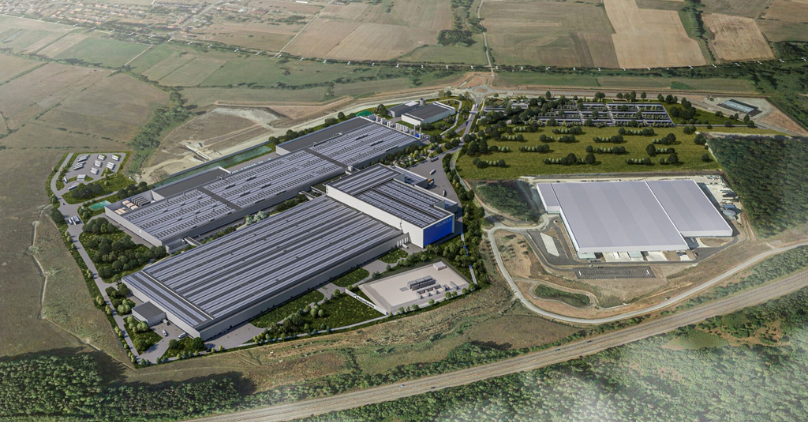
To capture those subsidies, the Spring will be built at Renault’s Novo Mesto plant in Slovenia, the same facility that produces the Twingo E-Tech city car. The assembly shift lets the model meet local rules tied to incentive programmes, and Dacia says the resulting net price positions the Spring as one of the cheapest EVs in Europe once national incentives are applied.
The Spring’s engineering remains deliberately modest. Its 27.5 kWh LFP battery is rated for 155 miles WLTP, roughly 133 miles by EPA standards, keeping the car aimed at urban and short suburban trips. Charging choices include an optional 50 kW DC fast charger for €500, which will take the pack from 15 to 80 percent in about 28 minutes, or a standard 6.6 kW onboard charger that needs about nine hours from a household outlet. The powertrain produces 80 horsepower and 129 pound-feet of torque.
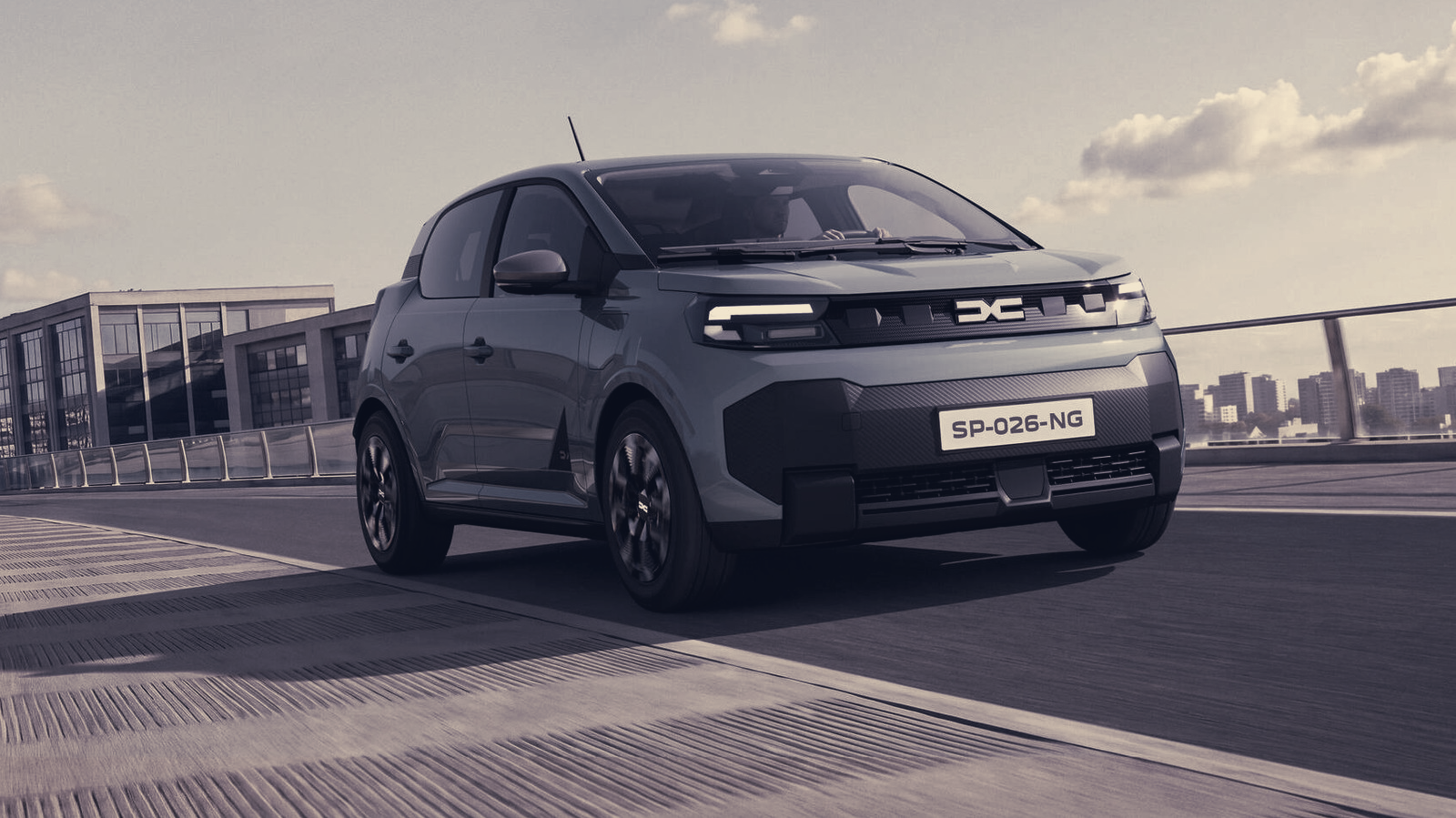
Dacia also refreshed the Spring’s exterior and interior trim to give it a sturdier, more athletic presence. The new body is longer and wider, bringing greater cabin room and more luggage space, which rises from 10.9 cubic feet to 11.9 cubic feet and expands to 45.3 cubic feet with the rear bench folded. Cockpit updates include a 7-inch digital instrument cluster and a 10.1-inch central touchscreen, with Apple CarPlay and Android Auto available as part of an options package customers must pay extra for, at a listed cost of $1,500 for those features.
Since its 2021 debut, the Spring has sold about 210,000 units worldwide, and Dacia positions the model as a tool to help Renault reach a fully electrified lineup in Europe by 2030, with a 50/50 split between electric and hybrid sales. Europe is also pressing automakers to cut fleet emissions dramatically, targeting a 90 percent reduction by 2035 relative to 2021 levels.
With local assembly and those subsidies, the Spring now appears to be Europe’s cheapest EV after incentives in many cases, reinforcing Dacia’s low-cost electric strategy while keeping the car’s range and performance focused on short daily use rather than long-distance travel.