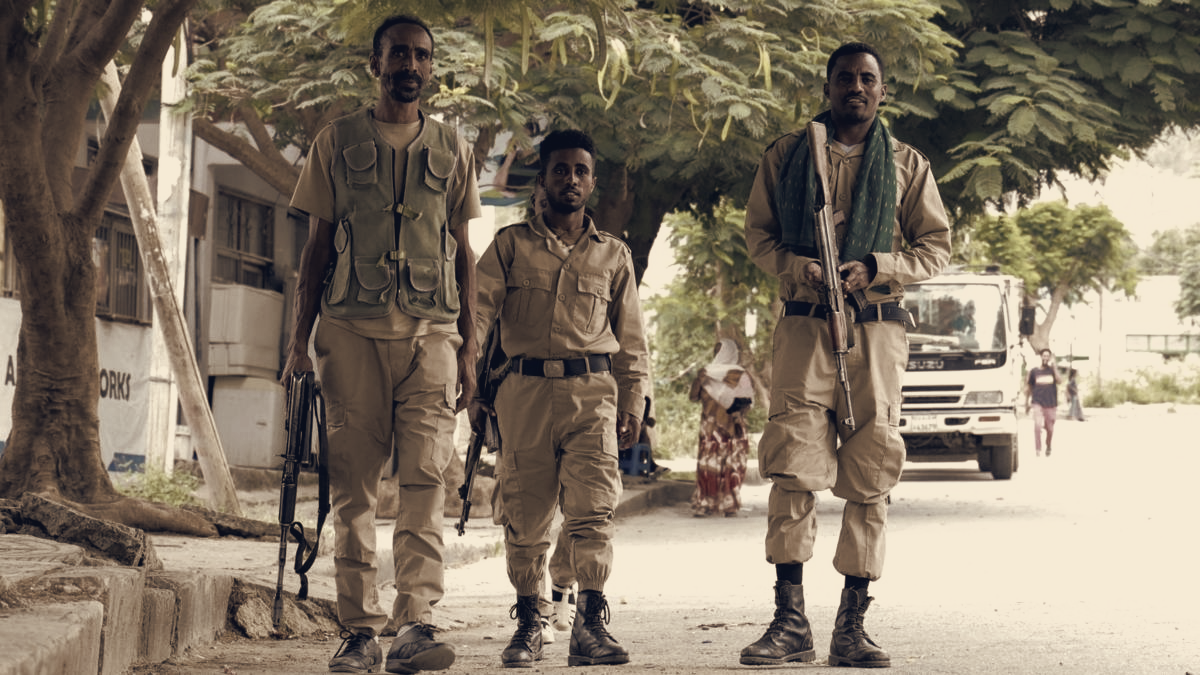
Major clashes began in Tigray and quickly spread into neighbouring Afar and Amhara, while reports say internet and phone services were disrupted, preventing people from accessing money through digital apps after ATMs stopped working several months ago. Both sides trade blame: the TPLF says it was responding to a federal offensive that included drone strikes, the government says Tigrayan fighters attacked after seizing control of airports in the region.
The TPLF has been the dominant political force in Tigray for decades. It emerged as an armed movement in the 1970s, helped topple the Marxist regime in 1991, and became the strongest component of the coalition that governed Ethiopia for nearly 30 years. When Abiy Ahmed formed the Prosperity Party in 2018 he weakened the TPLF’s influence, a shift that preceded the 2020 war. An uneasy truce was negotiated under the Pretoria Agreement, ending the war nearly four years ago, after a conflict an African Union mediator estimated killed some 600,000 people and pushed Tigray toward famine.
Several unresolved issues from that settlement have fuelled the current crisis. Two of the most contentious concern western Tigray, territory Amhara fighters seized early in the war. Hundreds of thousands of ethnic Tigrayans fled those areas and now live in camps in Tigray and in Addis Ababa; the TPLF demands their return while the government says the territory’s future should be decided by referendum. Addis Ababa has also complained the TPLF only surrendered old weaponry to the AU and has hidden arms.
Governance disputes have added to tensions. Under the peace deal the prime minister appointed an interim administration, but the TPLF restored its pre-war administration shortly before May’s national election, which was not held in Tigray. That move left many civil servants unpaid and services seizing up, worsening economic conditions across the region.
Politically, the TPLF has sought new allies. In September it joined six other armed movements to form the Alliance for Survival, grouping forces including Amhara’s Fano militia and the Oromo Liberation Army, which share an objective of removing Abiy’s government despite differing long-term aims. The government has condemned the alliance and accused Eritrea of backing armed groups inside Ethiopia, an allegation Asmara denies. Ethiopia and Eritrea, once wartime partners, are again at odds over access to the Red Sea and its ports.
With troops mobilising and pockets of fighting already reported, the immediate outlook is fragile. Disrupted communications and banking have tangible short-term costs for civilians, while unresolved territorial, disarmament and governance disputes make the Pretoria truce vulnerable to collapse and increase the risk that violence will widen.