
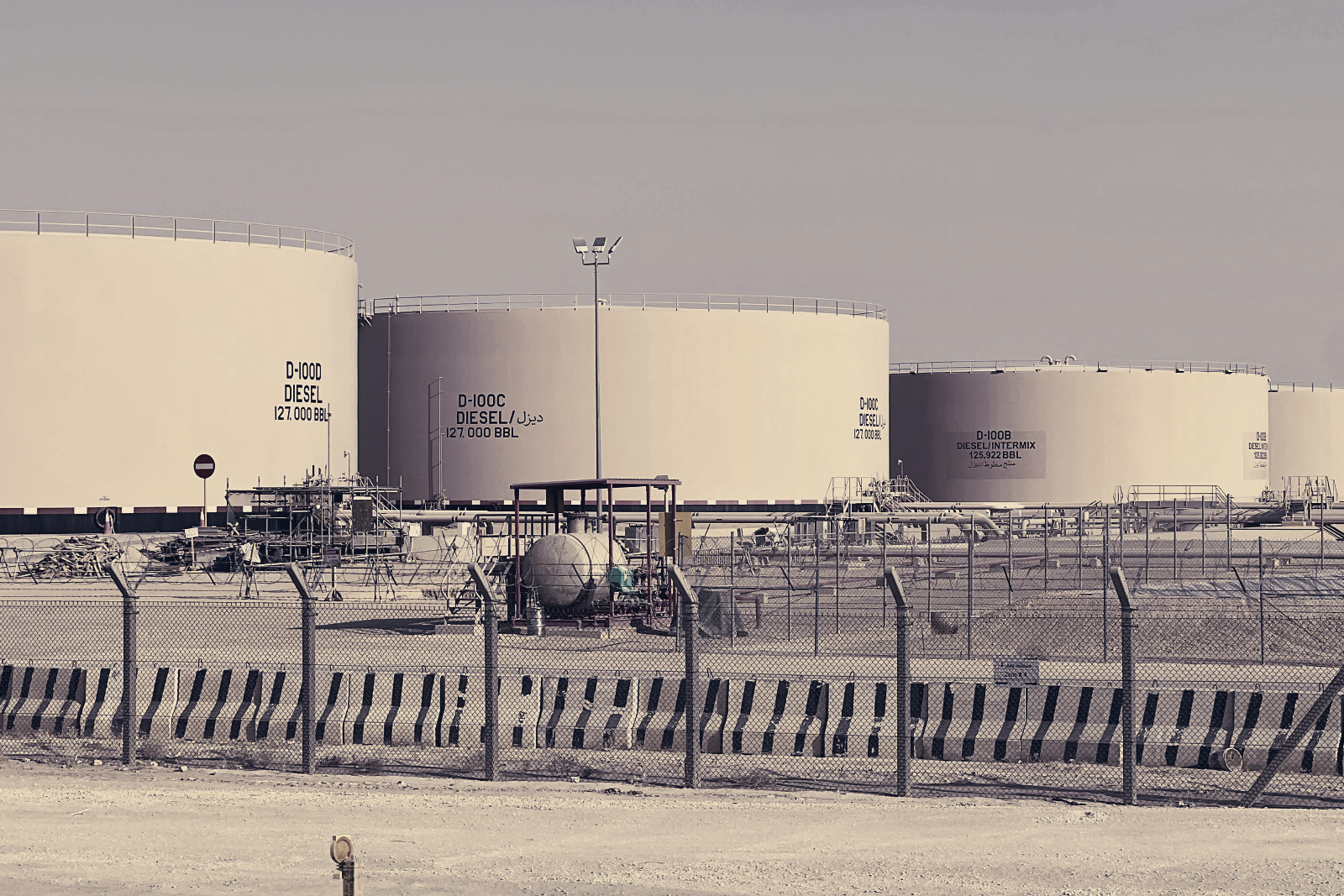
Saudi Arabia’s crude shipments have climbed to their highest recorded level since the start of the Iran war, a development that comes even as attackers target energy infrastructure and a pipeline outage has occurred. The persistence of high export volumes means the kingdom has sustained outbound flows despite mounting security challenges to its facilities and transit routes.
Officials and market participants have reported that assaults by militants with ties to Iran, operating from bases in Yemen and Iraq, are escalating and specifically aim at energy assets. Those actions, coupled with at least one reported pipeline disruption, have increased the exposure of Saudi production and logistics to physical interruption. Nonetheless, current export figures show the country continuing to move crude at rates not seen since the conflict began.
The contrast between rising export volumes and ongoing attacks highlights a gap between operational vulnerability and actual supply outcomes. A pipeline outage that might have been expected to curtail shipments did not prevent Saudi exports from reaching this peak level, demonstrating the kingdom’s capacity to reroute, compensate or otherwise manage flows so far. That capacity reduces the immediacy of a supply shock for buyers while the security situation remains fragile.
For buyers, refiners and trading desks, the immediate consequence is continued access to Saudi crude at present volumes. For Riyadh, maintaining those shipments preserves revenue streams and market share even as infrastructure comes under repeated pressure. For regional security watchers, the pattern underscores the continuing risk to energy corridors: attacks have not yet forced a sustained cut in exports, but the existence of successful strikes and a recent outage mean the potential for bigger disruption remains.
What happens next will depend on whether attacks continue or escalate and on how Saudi operators respond to further physical damage. Observers will be watching subsequent outage reports, any changes in export declarations, and the frequency of militant strikes to judge whether the current resilience in shipments can be sustained.