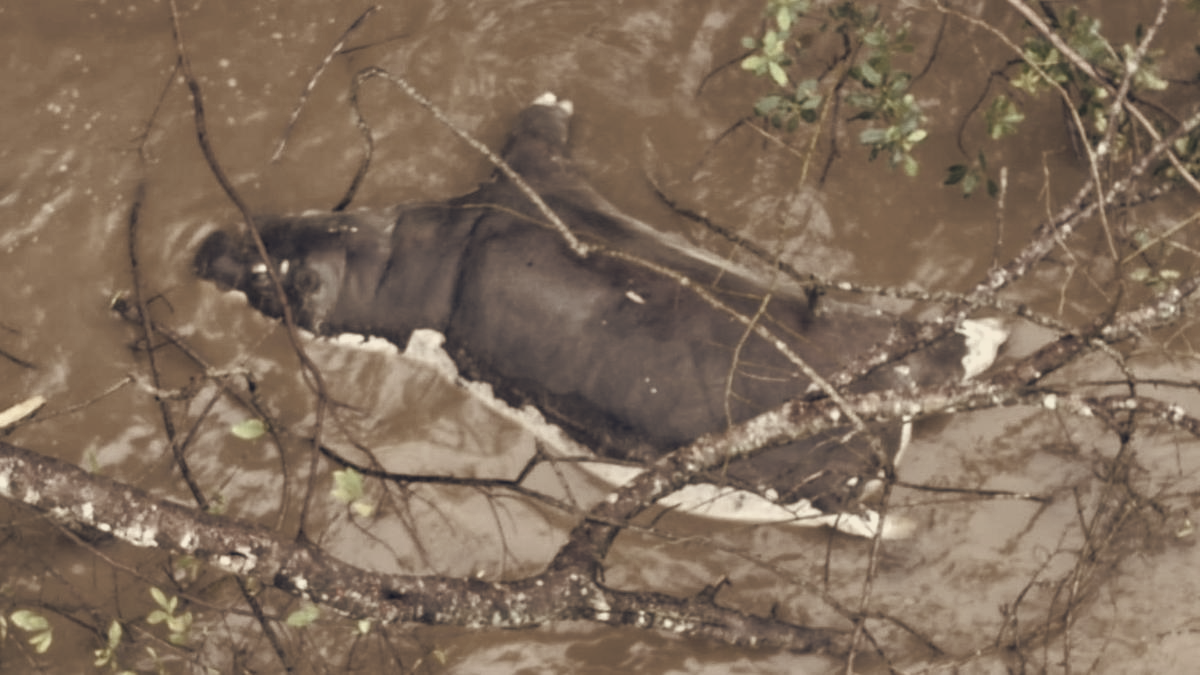
Communities that rely on wild meat near the Munyamadzi Game Management Area now face acute health and food-security risks after an anthrax outbreak wiped out dozens of animals, officials said. Since July, authorities recorded 46 hippos, eight elephants, five buffalo and one crocodile dead in the Munyamadzi area, and 12 people who reportedly ate meat from those carcasses are receiving medical treatment. No human deaths have been reported so far.
Norman Chipakupaku, national coordinator of Zambia's Disaster Management and Mitigation Unit, said the animals' carcasses were consumed by local people who depend on the meat for food. "The sad story about the deaths of this wildlife is that the carcasses ended up being eaten by the local people - that's what they depend on for their food," he said.
Officials have issued multiple warnings to residents living near the affected area. They advised people not to eat, sell, distribute or handle meat from animals that die suddenly or from unknown causes, and they called for hunting in the zone to be suspended. Response teams are conducting active surveillance and laboratory testing to determine how far the outbreak has spread and which communities are at risk.
Anthrax is caused by the bacterium Bacillus anthracis, which survives as spores that can remain dormant in soil for years. The disease primarily strikes grazing species and often shows up as sudden deaths among wildlife or livestock. Humans typically become infected through contact with contaminated animal products, including meat, which is why authorities have stressed avoiding carcasses and reporting unexpected wildlife deaths.
Zambia has experienced major anthrax events in recent years. In 2023 the country faced what was described as an "unprecedented outbreak," which killed four people and spread to nine out of 10 provinces. In 2011 a large episode produced more than 500 cases, and five people died after consuming meat from infected hippos. These precedents underpin the urgency of current testing and surveillance efforts.
For now officials are asking the public to report any unexpectedly dead wildlife and to refrain from handling or moving carcasses while teams work to contain the situation. Laboratory results and continued field surveillance will determine next steps for containment and community protection.