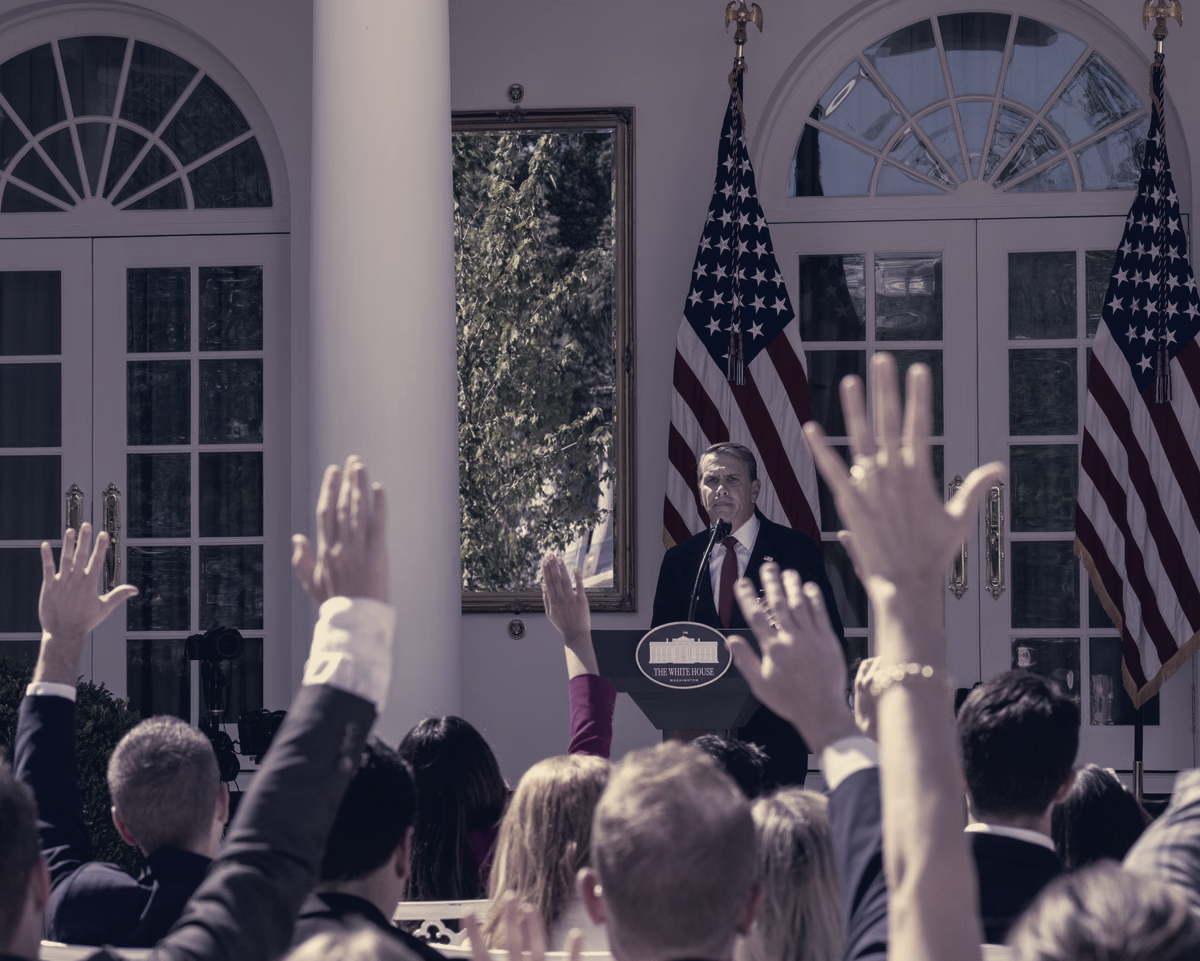
If adopted, the boycott would strip President Donald Trump of regular, routine on-site coverage from some of the country's largest newsrooms. The call follows a sudden exclusion that left CNN, MS Now and Politico locked out, a move those organisations called “a direct assault on the first amendment” and are now challenging in court. Their lawsuit names the president and three senior advisers, and press-rights lawyers say the case could prevail because the exclusion resembles viewpoint discrimination.
The boycott proposal has picked up public advocates from inside the media. Richard J Tofel urged the New York Times, Washington Post and Wall Street Journal to report on the White House from off campus. Ron Fournier used the hashtag #BoycottTheBriefing in reaction to last year’s Associated Press ban. Television broadcasters also issued a practical rebuke, pausing pool coverage after CNN, one of the barred outlets, had been assigned the duty of recording and distributing presidential events. Bryan Boughton, the Fox News Washington bureau chief and chair of the TV pool, told colleagues, “There will be no replacement pool put in place.”
Supporters argue the tactic is both symbolic and operational: journalists can continue reporting on the presidency without granting the administration the captive audience the briefing room supplies. Scott MacFarlane urged colleagues that “Everyone in the press room should walk out in protest … and source up,” framing withdrawal as a way to blunt the White House’s ability to monopolise attention while still collecting documents, on-the-record statements and public appearances outside the briefing room.
Commentators placed the exclusion within a pattern of retaliatory gestures by the administration, citing public rebukes of outlets across the political spectrum and constraints on access to institutions. Ruth Ben-Ghiat called the ban “a moment of reckoning for America,” linking the episode to what she described as “the autocratic playbook,” and warned that organisations the president views as threats are at risk of being sidelined.
Legal action remains active and could restore credentials if courts find viewpoint discrimination. The boycott is presented as a complementary lever: a coordinated, institution-wide withdrawal that would deny the administration constant, on-site amplification while the judiciary evaluates the suits. What happens next depends on whether major outlets adopt off-campus reporting and can sustain a unified response long enough for the courts to weigh in, turning public condemnation and lawsuits into a durable change in how the White House is covered.