
Albania is positioning itself as a low-cost destination for dental and hair-restoration work, a shift that brings tourist income but also raises questions about oversight and quality. Clinics in Tirana now advertise in English and Italian, low-cost carriers have expanded routes to the capital, and dental implants typically cost about €600 per tooth, roughly in line with Turkey and far below prices in the UK, France or Germany.
The density of dental practices is striking. In the Tirana metropolitan area there are almost four hundred dental clinics serving a population of around 600,000. That surplus of capacity has encouraged many dentists to seek patients from abroad, and some larger clinics now host multiple resident specialists. Elite Dental, for example, employs 15 dentists and is licensed by Albanian health authorities.
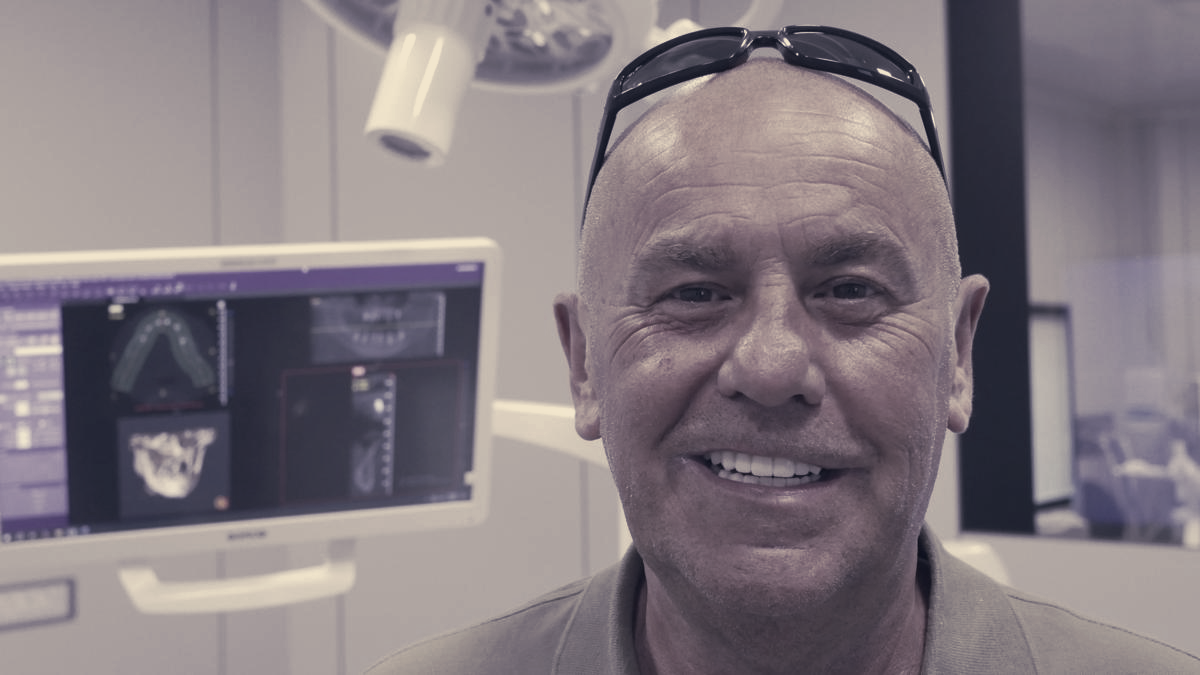
Patients cite both price and perceived safety when choosing Albania over established hubs. Anthony Hook, a 58-year-old from Bolton, said he opted for Tirana after reading worrying coverage about procedures in Turkey, and after his own online research. He now travels for treatment and has become a visible example of the clinics’ international clientele.
The UK Foreign Office has warned it is "aware of seven British nationals having died in Turkey in 2025 following medical procedures", and that "some British nationals have also experienced complications, and needed further treatment or surgery following their procedure." Those concerns have helped steer some prospective patients toward Albania, where a number of clinics advertise familiarity with international patients.
Clinic owners argue they are improving lives through restorative work. Ardtur Dema, who runs Elite Dental, says he is "not in favour of damaging proper teeth for aesthetics", adding that the priority is "changing people's lives" by restoring function and confidence. Others in the sector are expanding into hair transplants; some operators in Tirana are branches of Turkish chains, including firms that stress multinational scale as a reason to trust their services.
Government officials acknowledge the boom and its risks. Prime Minister Edi Rama says the state is catching up with rapid visitor growth and is considering formal approval mechanisms to help reputable providers "survive" and to guard against informal "bad competition". Industry representatives have set up an Albanian Medical Tourism Association, but membership is not universal.
The short-term payoff is more inbound spending and a broader tourism offer, combining treatment with Albania’s coastal attractions. The longer-term outcome depends on regulators and clinics policing standards, because any cluster of poor outcomes could quickly undercut the sector’s appeal.