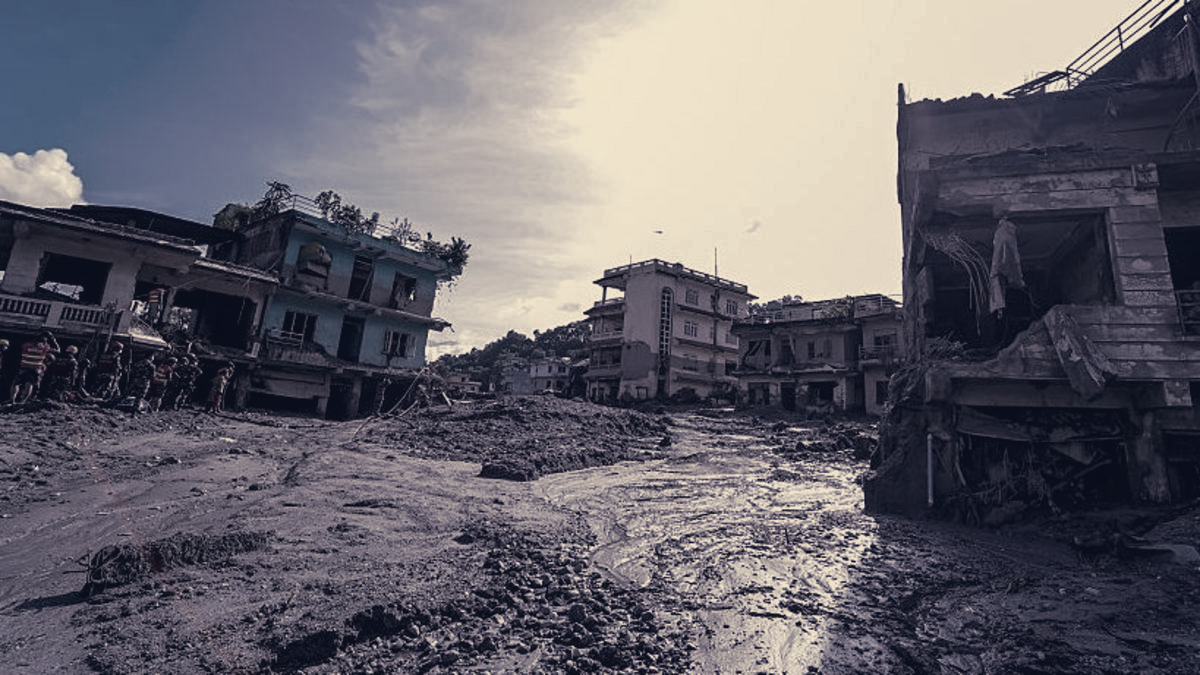

Authorities in Nepal have escalated enforcement, saying people who post abusive content aimed at survivors of last month’s floods may face criminal charges under the Electronic Transactions Act. Prime Minister Balendra Shah told officials they will "show no leniency" toward anyone who belittles the suffering of survivors, signaling prosecutions as a likely outcome of ongoing inquiries.
Police say they are tracing where hostile comments originate in order to identify addresses and phone numbers, and have convened a 10‑member committee to examine material tied to the disaster. Investigators describe the work as active and ongoing, with the team reviewing posts and mapping digital trails back to individual accounts.
Relatives of missing people have turned to social platforms to plead for help and to press officials for faster search efforts, but some of those appeals have attracted hostile responses. One woman whose brother has been missing since the floods said she received many nasty comments after criticising rescue operations. In another case a young woman whose husband is missing posted a viral video demanding more urgency and was met with insults, including calls for her to harm herself and remarks that blamed her rather than authorities.
Police emphasise that abusive behaviour online can be pursued under the Electronic Transactions Act. The law allows offenders to be jailed for up to five years and fined up to 100,000 rupees ($662; £490), or both, placing clear legal consequences on those identified through the probe.
Dovan Rai, executive director of Body & Data, said some hostile posts appear designed to provoke. She warned these messages sometimes come from users who engage in "rage baiting", those who produce negative content as a "bait" to trigger outrage, or force people to click on or share their posts. She added that others may be "staunch supporters of the government" and that "extremism that is very sympathetic to the government and condemns those who question it" has further polarised online dialogue.
The move elevates harassment of flood survivors into a law‑enforcement priority and could produce prosecutions, as police continue investigations. Campaigners say political polarisation and deliberate provocation complicate efforts to remove abusive content without deterring legitimate public criticism, leaving authorities to balance enforcement with safeguarding civic debate.