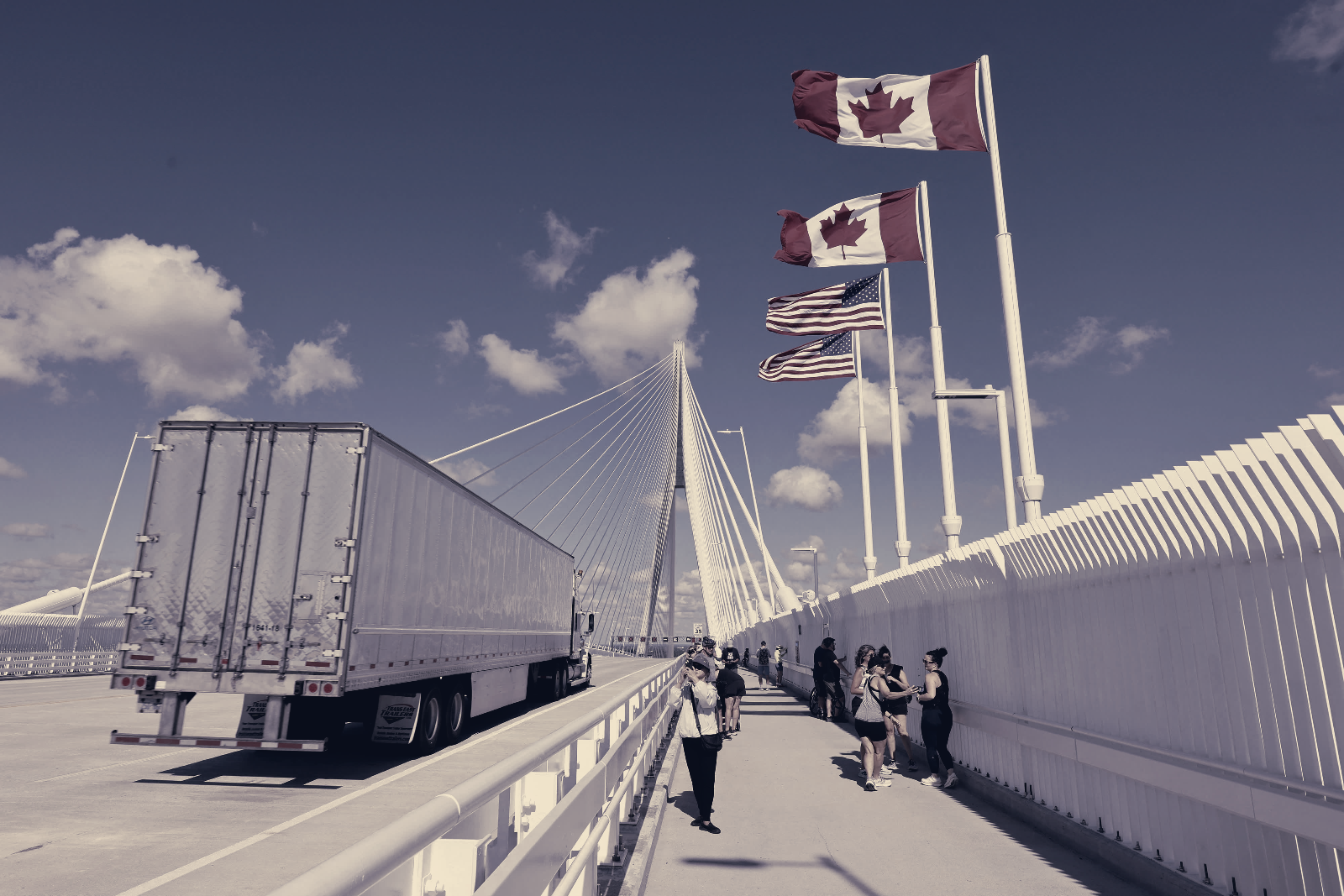

U.S. exporters face higher costs as Canada activated retaliatory tariffs covering $27.6 billion of imports, escalating a trade standoff after bilateral negotiations collapsed. The measures, applied across hundreds of product lines, raise the price of goods ranging from dairy and agricultural machinery to household electronics sold in Canada.
The new duties vary from 15% to 50% depending on the product. Tariffs on steel, aluminum and iron products were doubled to 50%, while furniture, motorbikes, clothing and some beauty items drew some of the steepest levies. Canada described the package as a matched response to U.S. duties tied to Section 338.
Ottawa’s Department of Finance framed the tariffs as a protection for Canadian workers, producers and manufacturers, saying the measures will help domestic firms compete with U.S. imports in the home market. Existing Canadian countermeasures, including a 25% duty on autos, remain in force alongside the new list.
Trade negotiations between the two long-standing allies broke down at the end of August, with officials on each side publicly blaming the other for the failure to reach a settlement and disputing which areas were irreconcilable. With talks stalled, the sequence of tit-for-tat levies that began in April 2025 has expanded into a broader commercial confrontation.
The dispute has already drawn political attention in the United States. U.S. President Donald Trump posted on Truth Social, "NO MORE SELLING BOMBARDIER IN THE UNITED STATES!"
The United States exported $333.6 billion worth of goods to Canada, and imported $381.9 billion, underscoring the depth of commercial ties between the neighbours. Both countries trade heavily in energy, vehicles, heavy machinery, aircraft, pharmaceuticals, gems and jewelry, furniture, clothing and a wide range of foods and drinks.
Economists note the targeted items represent a relatively small slice of total bilateral trade, but warn that small and medium-sized businesses and firms in the most affected sectors will face serious disruption. In response to earlier rounds of U.S. tariffs, Ottawa announced a $7.5 billion support package last month, extending an existing $25 billion program that was put in place after the U.S. global tariff offensive began in April 2025.
With the new duties now active and both countries maintaining countermeasures and support programmes, the immediate landscape is higher import costs for specific sectors and government aid for those hit hardest. Officials on both sides have yet to signal a new timetable for talks.