
Rural households that rely on heating oil must decide whether to buy now at elevated prices or wait and risk even higher bills this winter. The average cost for a 1,000-litre delivery was 97.05p per litre on Wednesday, according to comparison site boilerjuice.com, an increase of 85% since 9 September 2025 when the same quantity cost 52.8p.
The rise follows renewed fighting between the US and Iran and comes after a March peak of 134p. For many families in rural areas a single delivery at current rates would run to nearly £970, and most domestic tanks hold between 1,000 and 2,000 litres, concentrating a large, upfront expense on households that do not face the protections of the energy price cap for gas and electricity.
About 1.5 million UK households use heating oil, concentrated in rural communities. Census data referenced for the region show that in parts of Lincolnshire, including Wainfleet All Saints, Wragby, Roughton and Ludford, more than 40% of homes rely on oil for heating, amplifying the local impact of market swings.
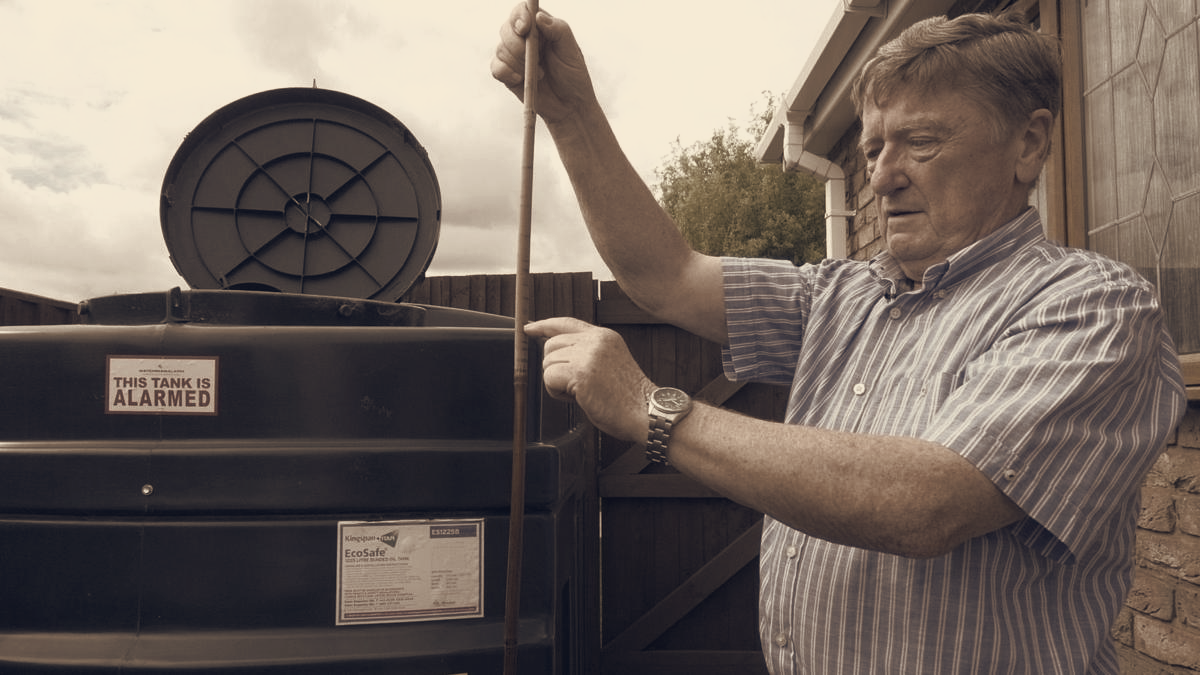
Local homeowners described the squeeze. John Craggs, 73, from Wigtoft near Boston, said he will watch prices over the coming weeks before ordering. He and his wife Libby expect to cut how much of the house they heat, keeping internal temperatures low and warming only a few rooms for short periods to manage costs.
The government provided a £53m package in March to assist low-income households using heating oil, with local authorities responsible for eligibility. Campaigners say that funding has not met ongoing need and are pressing for a broader safety net ahead of forthcoming spending decisions. Matt Copeland, interim director of policy at National Energy Action, said, "I don't think the level of support really anticipated the length of time these high prices would go on for. It's really important that the government does look at that again in the budget and allocates more funding to help people to afford their heating."
A Department of Energy Security and Net Zero spokesperson pointed to measures the department says have eased bills, saying, "Energy is an everyday essential and needs to be affordable for everyone, which is why we have cut VAT on electricity bills to give families breathing space. This follows taking £150 in costs off bills earlier this year, and we will keep looking at what more we can do to protect households."
With prices driven by geopolitical tensions and past volatility reaching a March high of 134p, pressure on household decisions is likely to continue. That leaves rural oil users weighing an immediate, concentrated cost against the risk that delaying a top-up will push winter bills even higher.