Firefighters at several of the largest recent US wildfires have been offered glutathione, an antioxidant, creating a rift between crews who report immediate symptom relief and the union that says the treatment’s safety and effectiveness are unproven. The practice has spread from volunteer groups to some fire departments, even as scientific backing remains limited and concerns about contaminated supplies have surfaced.
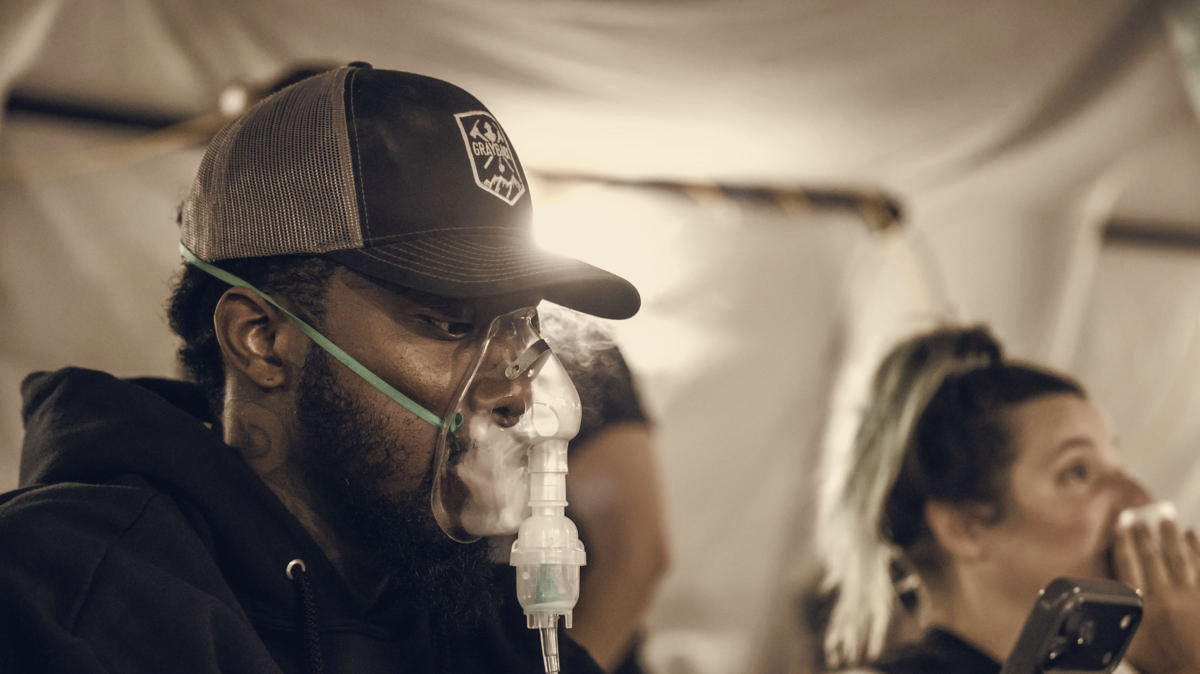
Pasadena Fire Captain David Marquez, a 25-year firefighting veteran, told reporters he inhaled glutathione days after battling the Eaton Fire in Los Angeles, which killed 19 people and destroyed 9,000 buildings. Marquez described chronic cough, headache and fatigue among his crew and said he "felt much better immediately after the worst exposure of my career." He later travelled to Sacramento in uniform to oppose a proposed restriction on production.
The US National Institute for Occupational Safety and Health has found firefighters face higher long-term risks from smoke exposure, noting a 14% increased risk of dying from cancer compared to the general American population. That heightened vulnerability helps explain why some clinicians and crews have embraced alternative interventions, despite the absence of large-scale clinical trials of glutathione for this purpose.
The International Association of Fire Fighters, which represents over 360,000 firefighters across the US and Canada, issued a rare public warning about glutathione. The IAFF highlighted two recent recalls involving contaminants at compounding pharmacies that supply the antioxidant, and stressed that small trials of other commonly used vitamins have sometimes shown unexpected harms. "We don't know if glutathione is affective," said Sean DeCrane, assistant to the general president for health and safety at the IAFF. "We don't know if it's a placebo effect. We don't know the long-term effect of this type of treatment." He added the union had heard reports from members who felt worse after treatment.
The recent rise in use traces to 2017, when a group of naturopaths in Santa Rosa formed what is now the Integrated Health Action Network, previously called the Integrative Healers Network, to assist crews during the Tubbs Fire. The group, which sends volunteer clinicians to major wildfires, offers glutathione alongside acupuncture and massage. Co-founder Jen Riegle, a licensed naturopath, said patients often see "clinically-meaningful improvements in headaches, fatigue and brain fog," but she acknowledged the data her group has collected is anecdotal and not equivalent to randomized, peer-reviewed trials. IHAN said it is willing to work with researchers to test glutathione more rigorously.
Regulatory debate has already touched the issue: California’s Board of Pharmacy considered stricter production rules last year before abandoning the proposal amid opposition from firefighters who testified the treatment helped them. For now the gap between frontline reports of immediate benefit and the union’s call for caution sets up a clear next step, with both sides pointing to the need for controlled research and scrutiny of supply purity before the treatment can be endorsed widely.