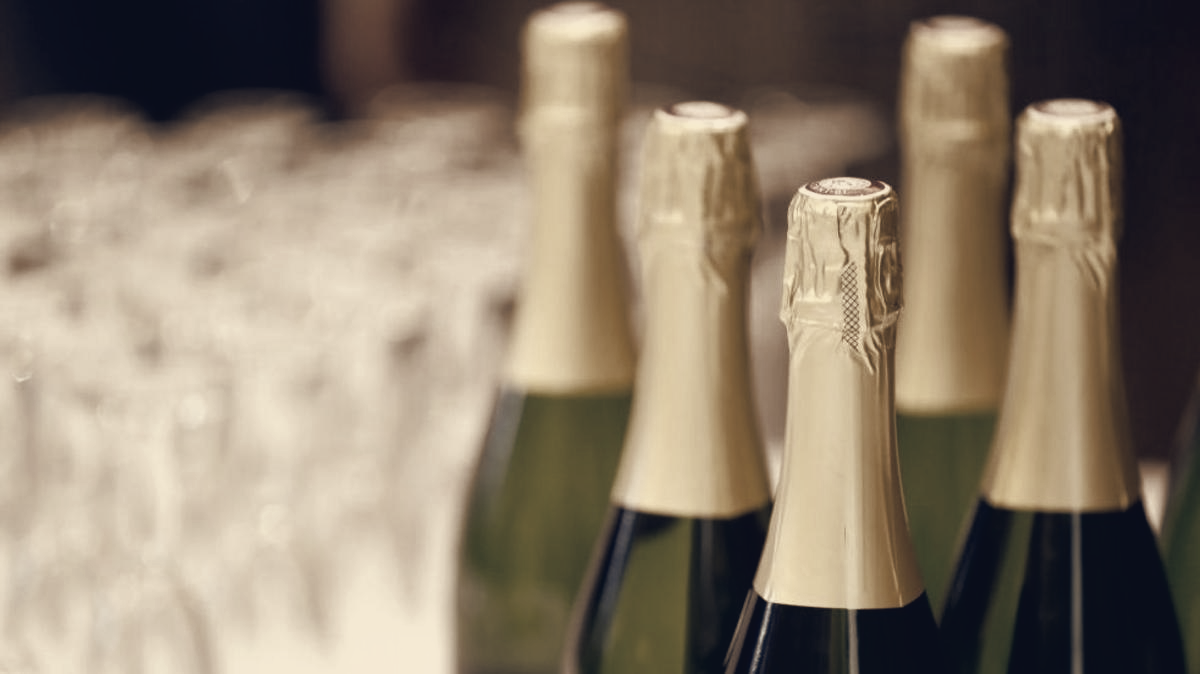
Producers in Champagne can this year legally bottle wines with as much as 15% alcohol, after regional regulators temporarily raised the previous 13% cap. The change responds to an unusually hot, dry season that pushed grape sugar levels higher, which in turn increases alcohol during fermentation.
A spokeswoman for the Comite Champagne said "a very small number of wines from this harvest could have slightly exceeded the regulatory limit of 13%, reaching around 13.1% or 13.2%" and added, "Therefore a decision was made to exceptionally and temporarily increase the regulatory limit to 15% - only for this year." Officials said they expect the adjustment to touch only a limited slice of the vintage.
The harvest began earlier than ever this year, with the first grapes picked in early August and activity widening by mid-month. The Comite described the 2026 growing season as marked by historic spring frosts, a very early flowering period and five separate heatwaves through the summer.
Growers warned the conditions look different to older patterns. Verzenay grower Stéphane Vignon said, "The Mediterranean climate is moving north. This is year one of a new cycle. It's unlikely to be every year, but it will happen again." Comite co-chair Maxime Toubart warned the likelihood of continued warming means "this unusual harvest will probably become the norm in 10 to 15 years."
Industry observers flagged commercial friction. Wine writer Jane Anson said higher-strength bubbly is unlikely to be an obvious selling point and that "the battle between what consumers want and what nature provides must be very stressful for producers." Any bottles produced under the temporary rule will not reach shops immediately, since Champagne must age for at least 15 months and the 2026 vintage is unlikely to appear on shelves until 2028.
Officials presented the temporary cap increase as a one-year response to an extraordinary season. Climate scientists and the industry have pointed to the same wider trend across Europe, where higher-than-average temperatures and more frequent extreme weather events are changing how vineyards ripen and how regulators and producers must react.