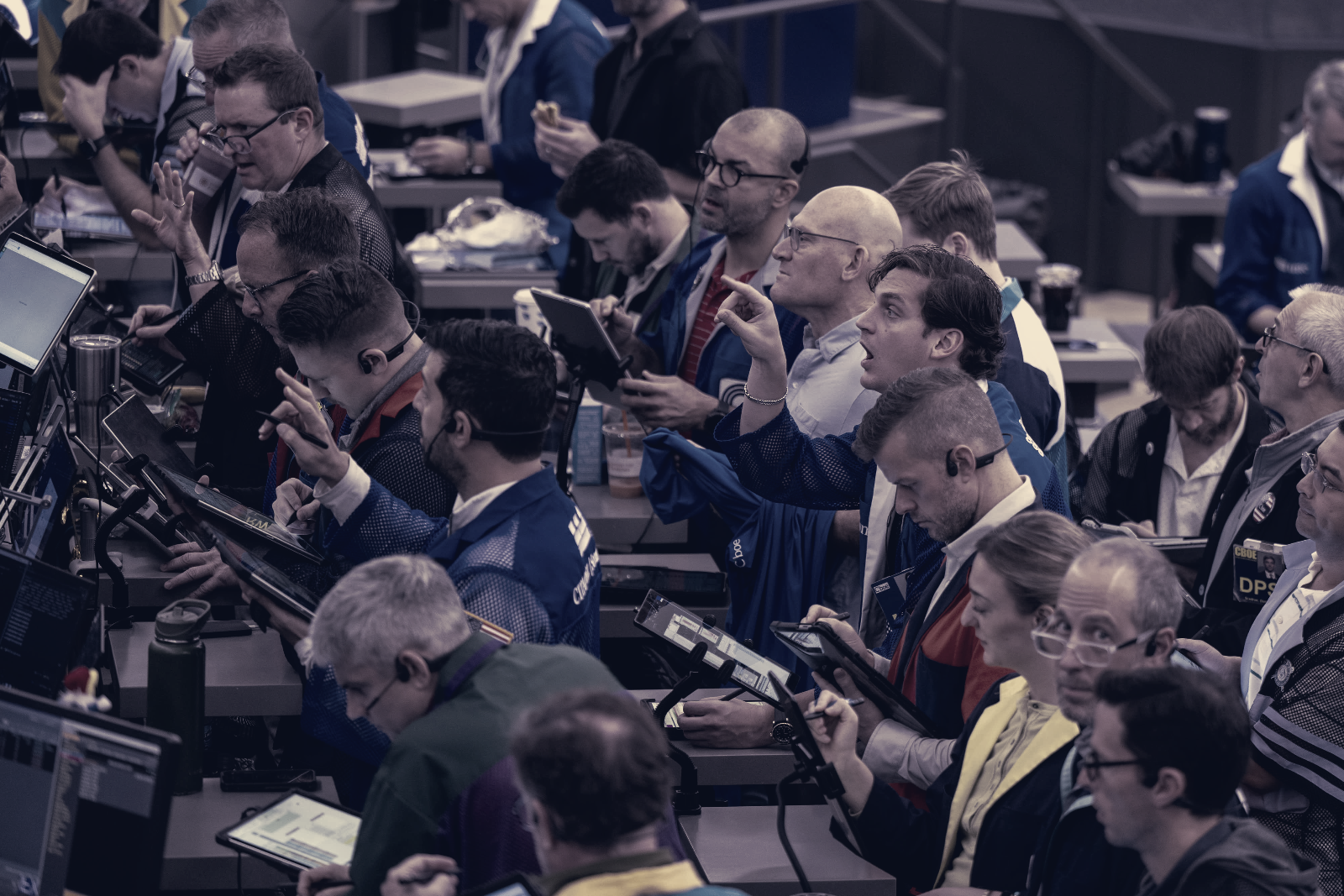
Investors face a sudden reset as chipmaker valuations slid sharply, erasing chunks of the recent AI-fuelled rally and forcing a reappraisal of how much profit the technology will actually deliver.
Shares in Korean memory giants plunged in recent weeks, with SK Hynix down 46% and Samsung down 35% over the last month. Those moves follow an extraordinary run — the stocks remain up threefold and fivefold respectively over the past year — which has left many investors taking profits and questioning whether the boom is sustainable.
The sell-off in Asia has spilled into US markets. Google and Tesla briefly tumbled before recovering after both companies pledged to boost AI spending, even as those bets have yet to produce net profit. The tech-heavy Nasdaq finished trading about 9% below its June record high, a drop market commentators link in part to concerns about heavy, ongoing AI investment.
Market voices warned of growing scepticism. "There is still a healthy degree of scepticism about the ability of these investments to generate a commensurate level of return," said Russ Mould, an investment director at AJ Bell. Eileen Burbidge struck a more balanced note, telling the BBC, "The AI bubble hasn't burst but it's letting out air." She added later, "I see the glass half full - if you bought shares in chip makers a year ago you are feeling pretty good right now."
Another pressure point is a reported Chinese breakthrough in chip manufacturing, which could increase domestic self-sufficiency for design and production and reshape global supply dynamics. That development, combined with doubts over whether tech platforms can charge end users enough to justify "hundreds of billions" of dollars spent on chips and data centres, has made investors warier of companies that announce big increases in AI budgets.
High-profile market moves underline the shift in sentiment. SpaceX shares have fallen 14% since their market debut and are nearly 50% below their peak in June. Apple, which has been less active in the AI arms race, rose 21% over the last month and briefly reclaimed the title of the world's most valuable company from Nvidia. London's FTSE 100, sometimes called the "anti-tech index", touched a record high as its relative lack of tech exposure became an asset.
Structural risks are mounting. Investors can still lose money even if the technology succeeds, as past infrastructure booms showed. Data centres need frequent upgrades to house faster processors, unlike long-lived railway tracks. Interlinked stakes and loans among major AI players raise systemic risk, while environmental limits on new data centre builds and growing public pushback add further uncertainty.
What happens next will hinge on corporate earnings and guidance. Meta, Microsoft and Amazon are due to report results this week, offering investors fresh detail on spending plans and timelines for returns, and providing a test of whether recent market losses mark a correction or the start of deeper revaluation.