
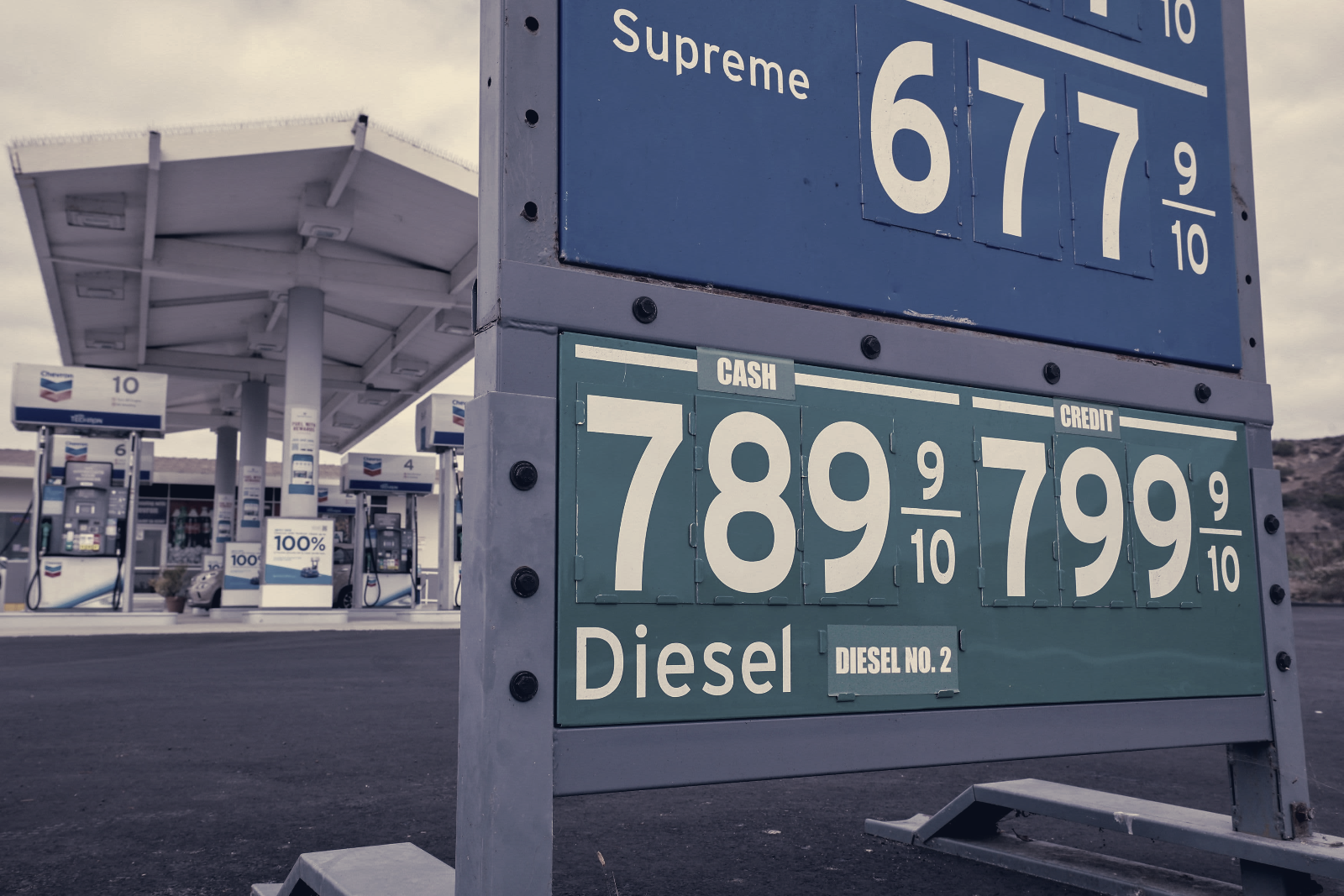
Record diesel prices are forcing an immediate reset for the U.S. transport sector, and that shift could ripple into the wider economy if fuel remains costly. Freight operators that rely on diesel are seeing their operating bills jump, leaving carriers and logistics firms with narrowed margins and harder choices about pricing and capacity.
Trucks and railways are the most visible victims of the surge, absorbing higher per-mile costs and facing pressure to pass them along. Those higher costs can show up in freight rates, contract renegotiations and the timing of shipments. When carriers increase prices or trim routes to protect profitability, shippers and downstream businesses must absorb higher inbound expenses or pay more to keep supply lines moving.
Because transportation is the backbone of distribution for goods across sectors, sustained elevated diesel would broaden the impact. Retailers, manufacturers and wholesalers would confront higher logistics bills that, depending on margin structures and market competition, may be recovered through higher consumer prices. The result would be stronger input-price pressure at the point where goods reach households, a channel that can add to measured inflation if it persists.
Beyond price transmission, operational responses matter. Firms can limit exposure by optimizing routes, switching modes where possible or reducing service frequency, but those adjustments take time and can strain inventories and delivery windows. Smaller carriers and operators with thin cash cushions are most vulnerable to an extended period of high fuel expense.
What happens next hinges on fuel markets. If diesel prices retreat, much of the pressure on transport margins and logistics costs will ease. If prices stay elevated, expect freight rates, contract terms and supply-chain routines to adjust further, and for those adjustments to show up in business costs and, potentially, consumer prices. Market participants and policymakers monitoring inflation and supply-chain indicators will have an early read on whether the shock remains concentrated in transport or spreads across the economy.