
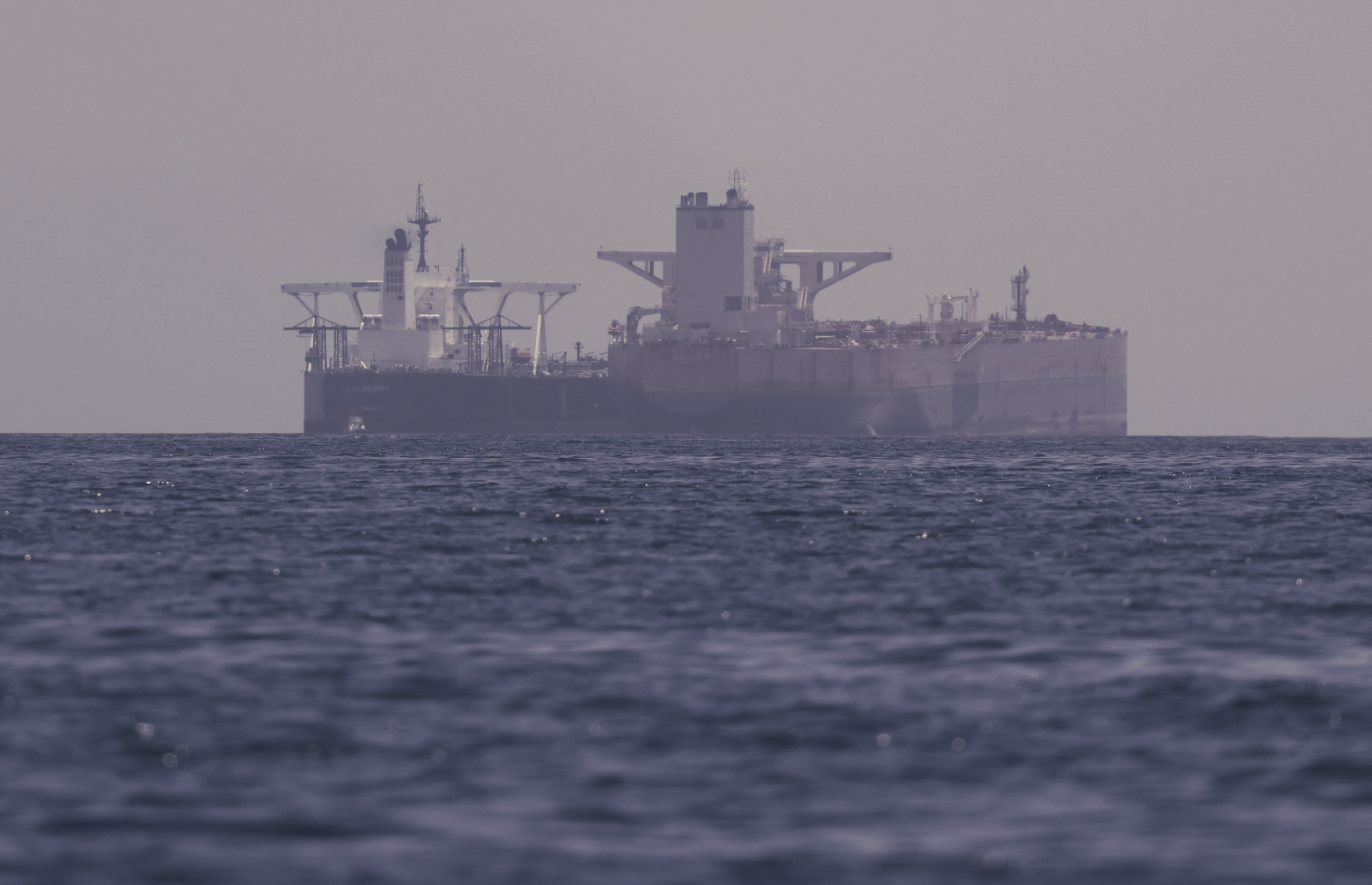
Global crude markets eased as Saudi Arabia rerouted additional shipments through the Strait of Hormuz, relieving immediate supply concerns and driving benchmark prices down. Brent futures fell 2.8% to $102.89 per barrel, while West Texas Intermediate was last down 1.8% at $100.54, after briefly dipping below $100. Prices have risen more than 12% this month.
Riyadh made extra cargoes available to Asian refiners, using ship-to-ship transfers off Sohar, Oman, a move that helped calm traders who feared the loss of a major export route would choke supply. The adjustments came after loadings at Yanbu, the kingdom’s Red Sea export terminal, were halted earlier this week and some shipments to European customers were canceled, tightening questions about how Saudi volumes would reach global buyers.
The disruption stems from an outage on the East-West pipeline, which had become a vital artery after Iran began blockading the Strait of Hormuz following U.S. and Israeli attacks in late February. The pipeline closure forced Riyadh to reroute flows through the Gulf and the Hormuz corridor, prompting the emergency transfers that softened near-term pressure on markets.
U.S. Energy Secretary Chris Wright told CNBC the East-West pipeline outage was a "brief and temporary interruption" that "will be measured in days." He added Riyadh had taken "quick action" to export more oil through Hormuz with the help of the U.S. military.
Consultant Rapidan Energy projects Saudi crude exports could fall by 400,000 barrels per day this month because of the outage, though it expects higher shipments through the Gulf and Hormuz to partly offset lost Yanbu loadings. The firm warned clients that "risk remains skewed toward a larger disruption if the pipeline outage extends past September or Iran, the Houthis, or other proxy groups escalate attacks."
For now, the extra shipments have reduced the immediate probability of a severe supply shock and pushed prices lower. Market participants will watch whether the outages are indeed short lived and whether security risks escalate, either of which would quickly return volatility to oil markets.