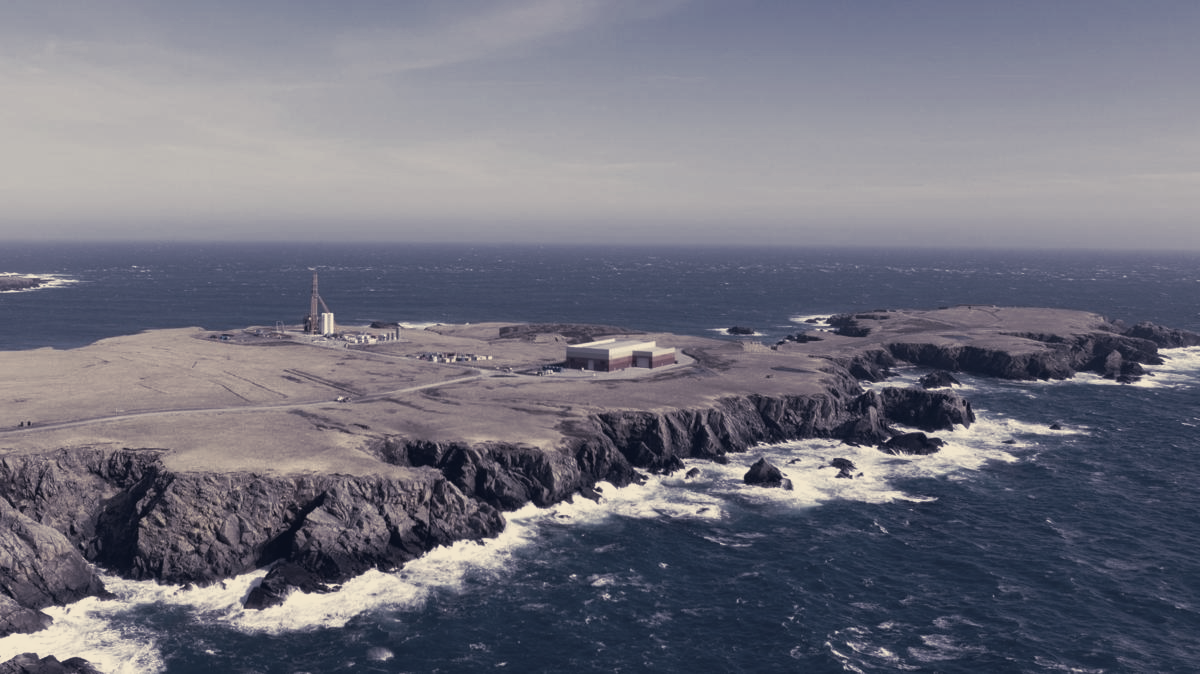

SaxaVord Spaceport will expand with a second hangar and two additional launchpads after the UK government announced a £30m investment on 8 September 2026, the company said. SaxaVord described the funding as part of a £60m public-private package intended to move the site from initial operations towards a more permanent launch infrastructure.
The spaceport said the government cash was a "hugely significant" vote of confidence and would unlock a further £30m of private investment, though the injection is subject to due diligence and final sign-off. SaxaVord confirmed it is in talks with additional customers and expects the money to be used to design and build the second hangar and the two new pads.
SaxaVord, sited on a former RAF base in Unst, is the UK’s first fully-licensed spaceport and holds regulatory approval for up to 30 rocket launches a year. Two German companies have signed launch agreements, Rocket Factory Augsburg, which is progressing towards a first vertical orbital test from UK soil, and HyImpulse Technologies GmbH, which plans a second flight of its SR75 suborbital vehicle from Shetland this year. SaxaVord paused a planned test launch in August after Rocket Factory Augsburg said it had "encountered an issue."
Chief executive Scott Hammond said the investment would move the company to the next stage of growth. "We are building the spaceport for the thousandth as much as the first launch," he said. "We're trying to create a successful, safe and sustainable business. This is direct investment into Shetland." Lise Kaae, chief executive of Heartland, which holds a majority stake through Wild Ventures, welcomed the government as "an investor and partner."
Industry voices stressed the gap between funding announcements and flight-ready schedules. Derek Harris, head of programmes at Space Scotland, called the £30m a "good starter," and warned that mastering the technology and maintaining safety could push some activity into next year. He added that weather and technical challenges would affect timetables but argued the long-term benefits for Scotland and the UK would be substantial.
The government framed the commitment inside a new national space strategy it says will back technologies that support security and growth, and placed the Shetland allocation within a wider £148m package across Europe intended to help UK space firms win more work. Ministers say the effort will create jobs and allow Britain and its partners to launch satellites without relying on more distant providers. With due diligence still to conclude, the next steps are detailed design and the formal sign-off needed before construction and increased launch activity can begin.