The School of Visual Arts will end its graduate Photography, Video, and Related Media program, removing a key postgraduate track as the college grapples with a mounting deficit. The institution cited financial strain as the reason for the termination, a move that narrows training options for advanced students who had looked to SVA for photographic and moving-image study.
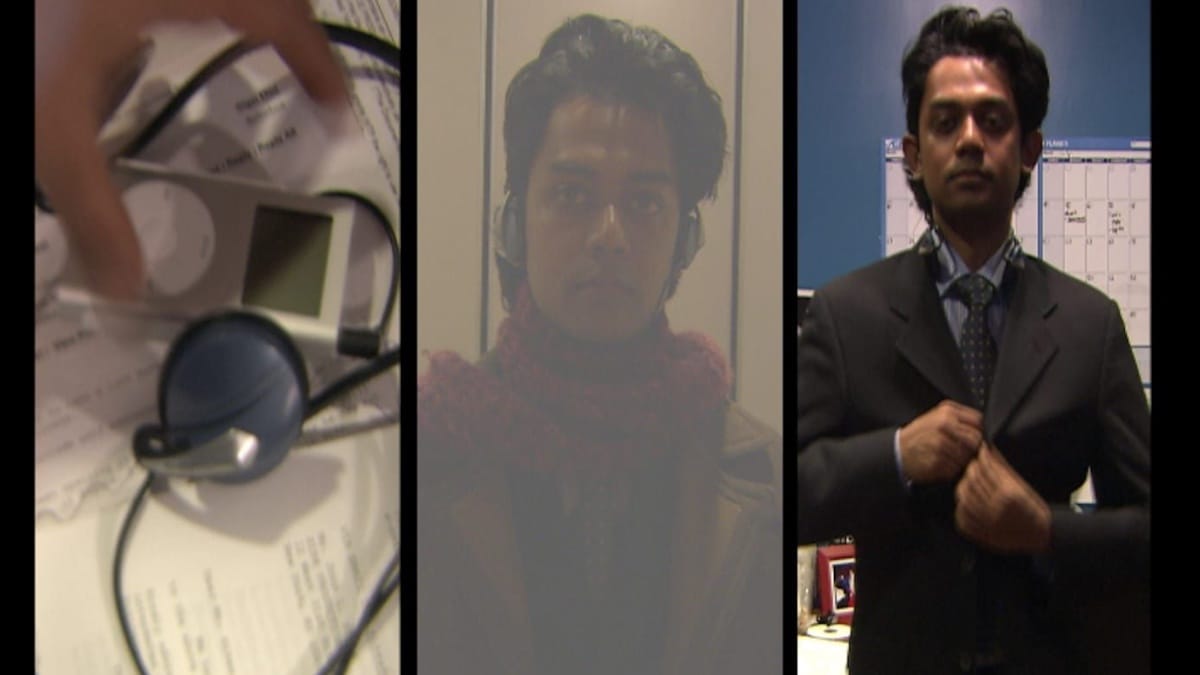
The announcement arrives amid a busy week in the art world. Artist and Columbia professor Naeem Mohaiemen revisited the days after 9/11, recalling how he and others in the South Asian community had believed civility would blunt rising Islamophobia. “We naively thought if we were polite in the face of Islamophobia, it would wilt,” he writes, and he traces the activism that followed as well as the passage of 25 years since those events. Mohaiemen’s piece includes a personal recollection of the immediate aftermath, describing how volunteers collected clothing outside a downtown club for survivors they hoped would be rescued, and the grim realization by midnight that none would be pulled from the rubble.
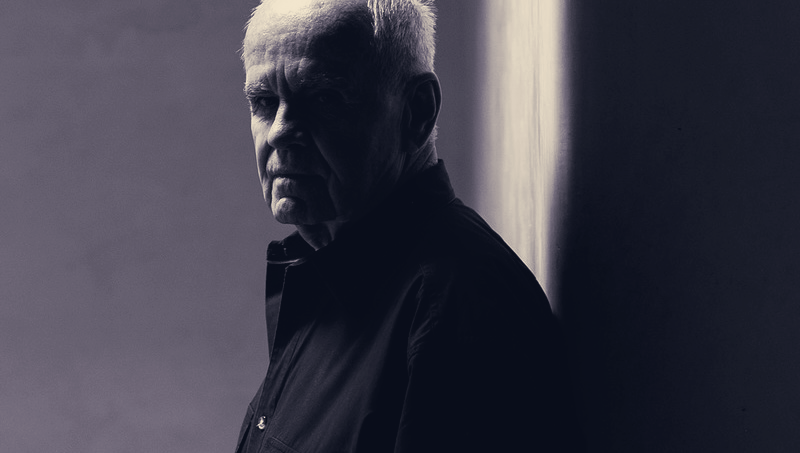
Critical coverage this week included Channelle Chevelle Russell’s review of a Pope.L show at the Drawing Center, which frames the artist’s works on paper as densely worked studies that ask viewers to reconsider the shape of the American dream. The review describes those drawings as at times frantic and opaque, insisting on interpretation rather than offering immediate clarity.
On a local note, the Brooklyn Public Library launched its first-ever lending program for craft supplies, creating a new model of material access that treats tools and consumables as borrowable resources. Other brief items flagged this week include news about the Bayeux Tapestry’s condition after transfer to the British Museum, and a memorial statue unveiling for Grizzly 399 in Wyoming.
What comes next for SVA’s displaced students and faculty has not been detailed in the notice announcing the program’s end. The closure will shrink the landscape of graduate photographic education tied to a longstanding New York arts institution, and it joins other cultural developments that together sketch shifting priorities in funding, public programming, and how communities preserve and share creative practice.