
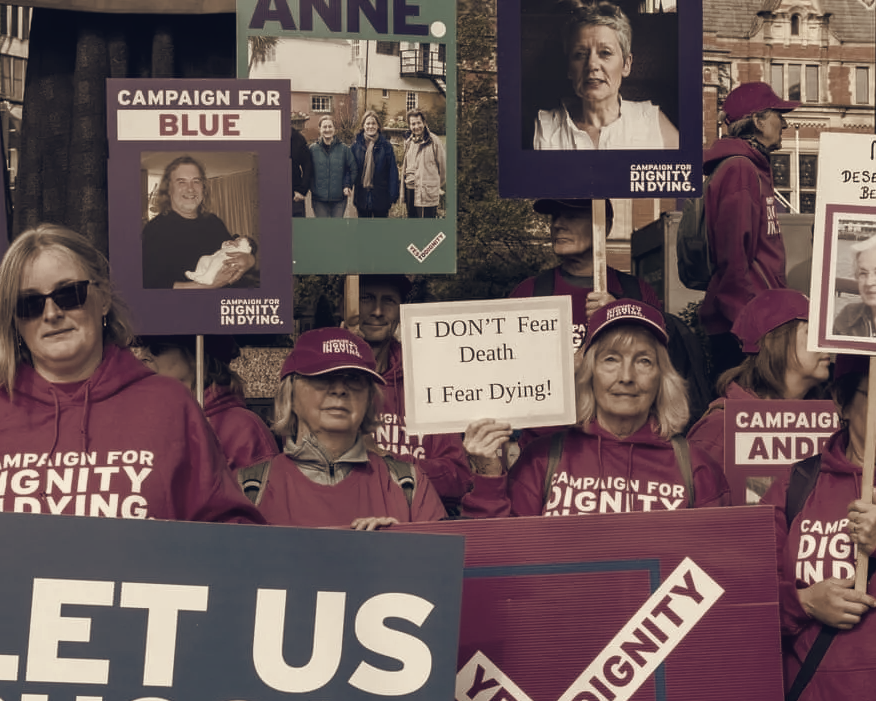
A Commons second-reading vote will determine whether terminally ill adults gain a legal right to request medical assistance to end their lives. If the bill fails to pass, supporters say it is unlikely to return during this parliament, leaving the proposed change to wait for a future, potentially less reforming, legislature.
The measure on the floor is the terminally ill adults (end of life) bill, introduced by Lauren Edwards. Backers point to public polling showing sustained majority support and cite research into current end-of-life suffering to argue urgency. A report by Dignity in Dying summarises accounts from palliative care staff of patients dying in severe, prolonged distress, and an Office of Health Economics analysis counts thousands of cases of unrelieved pain each year even among those receiving specialist care.
Campaigners reject the argument that expanding palliative services alone will eliminate such suffering, noting that improvements in care may not arrive in time for many patients. Dignity in Dying’s recent report Out of the Shadows also documents people travelling to Dignitas in Switzerland, a route that can cost about £15,000 and requires travel while the person remains fit enough to undertake it.
The debate has been marked by controversy in the Lords, where a small number of peers lodged more than 1,200 amendments, an action critics described as a filibuster that delayed a vote. Proponents stress that the bill previously cleared Commons stages with cross-party backing, including a majority of Labour MPs and support from MPs from other parties.
Those urging MPs to vote in favour frame the decision as one that will directly affect the options available to people facing terminal illness, while opponents maintain concerns about safeguards and the emphasis that should be placed on palliative care. The immediate next step is the scheduled Commons vote; its outcome will determine whether the bill proceeds or stalls for the remainder of this parliamentary term.