
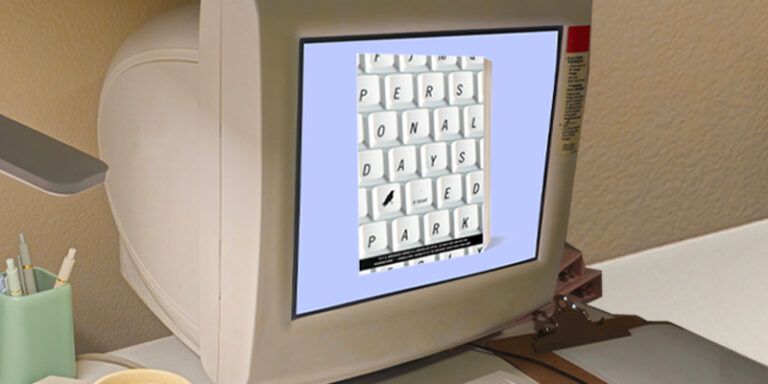
Readers searching for comic fiction that exploits the unique tools of prose will find a clear exemplar in Ed Park’s Personal Days. The novel’s reward is not a TV-ready premise, but a string of verbal maneuvers, structural jokes, and formal stunts that work only when written down.
Personal Days is the first recommendation in a new series framing a Funny Novel Canon, a running syllabus for literary humorists. The reviewer discloses a prior collaboration with Park at McSweeney’s, and names other Park books to show range: Three Tenses and Same Bed Different Dreams, the latter a Pulitzer Prize finalist, plus a collection of short pieces, An Oral History of Atlantis.
The novel itself follows a cluster of Manhattan office workers whose employer remains obscure and whose days are mostly consumed by gossip, crushes, and idle speculation. A loose central mystery supplies the plot’s thread, but the book’s engine is comedy. Park shapes jokes through tight wordplay, mishearings and homonyms that feed into plot turns, and a parade of oddly specific details that bend plausibility while keeping the narrative intact.
Form matters here. Headers and small formal shifts are used like punchlines to control pace, and the final section imposes a deliberate constraint that reorients the story. The effect is deliberate rather than slapped-on: the laughs emerge from how sentences and structure interact, not from attempts to replicate sitcom timing on the page. The novel balances sitcom rhythms with Oulipo-ish playfulness, producing moments that could not survive translation to screen without collapse.
This installment invites readers to help build the canon, soliciting suggestions for future entries. Expect further picks that favor books where humor is inseparable from literary craft, and where the pleasures live in the sentence as much as the situation.