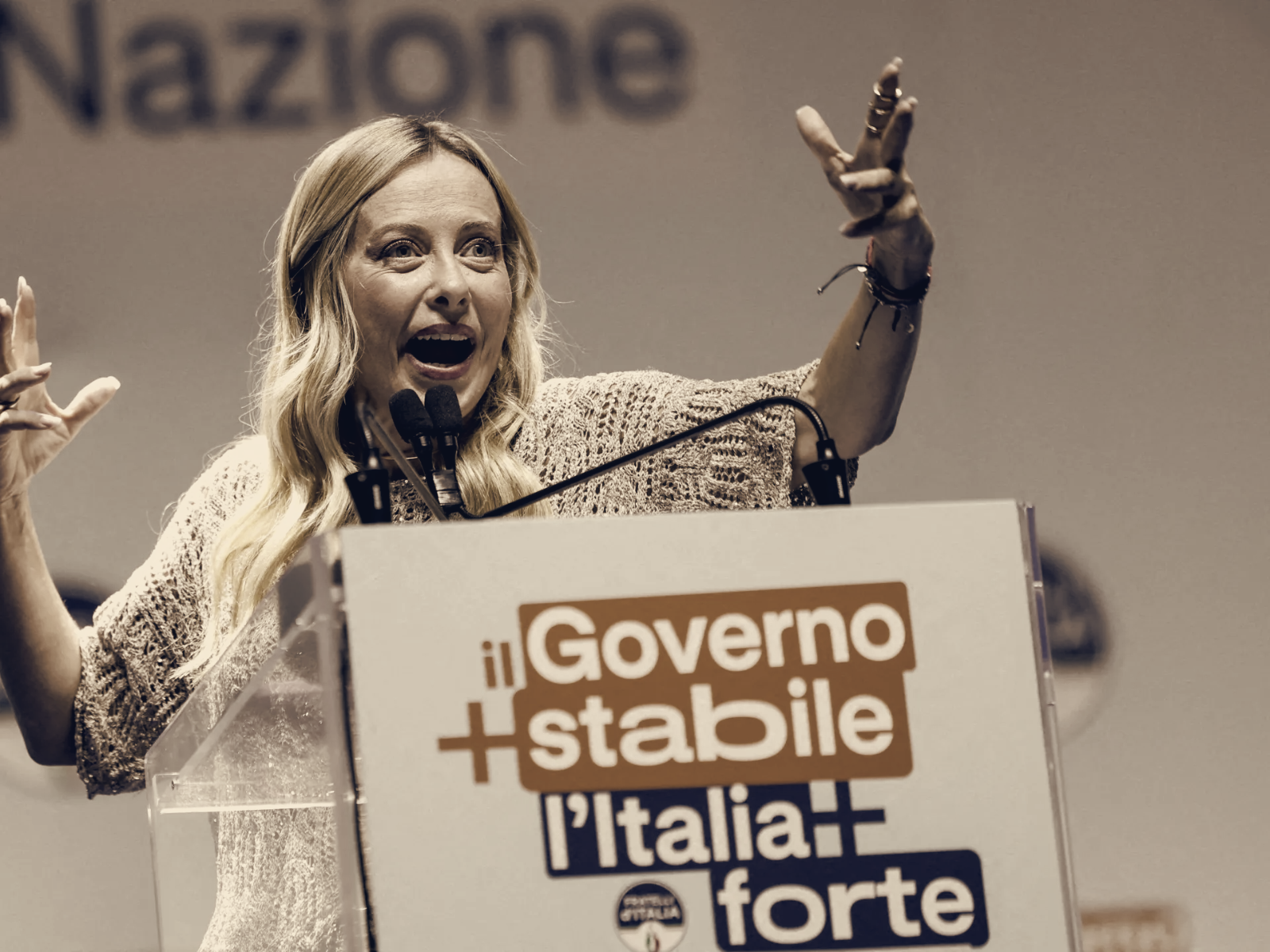
The Italian cabinet has approved a decree-law that immediately outlaws face coverings in classrooms and limits the share of pupils who do not speak Italian to 30 percent in any single class, Prime Minister Giorgia Meloni said. The government says the cap is intended to ease language acquisition and improve school discipline, and it plans to apply the limit starting next year.
Breaches of the new rules carry fines of up to $1,140 (1,000 euros), and the measure will only remain in force if parliament ratifies it within 60 days and the president signs it. Meloni outlined the changes at a meeting of her Brothers of Italy youth wing and reiterated the emphasis on language learning and school rules in a post on X.
Education Minister Giuseppe Valditara told officials that local school authorities will handle pupil placements to ensure classes do not exceed the 30 percent threshold. Schools that cannot meet the limit may seek exemptions and will be eligible for additional funding aimed at language support, the ministry said.
The education ministry estimates the rule will affect roughly 1,000 classrooms, which it described as about 0.3 percent of all classes nationwide. Official statistics cited in the announcement show non-citizen students accounted for 11.2 percent of the school population in 2022-23, while classes with more than 30 percent foreign pupils represented 7.6 percent of all classes.
The decree-law has met immediate resistance. Elly Schlein, leader of the centre-left Democratic Party, said, "It is a shameful decree that seeks to hide the government’s inability to address the real problems of the public school system behind a new ideological banner." Teachers’ unions complained that the government did not consult adequately and warned resources are insufficient to implement the plan. Some school principals described the rule as hard to apply in municipalities with large numbers of migrant pupils.
Antonello Giannelli, president of the National Association of Principals, cautioned that while the policy’s educational premise has merit, practical implementation is problematic. Opponents also accused Meloni of attempting to blunt the appeal of the far-right National Future, led by Roberto Vannacci, which has pushed schools and stricter measures on face coverings as central campaign themes.
The decree-law path lets the government move quickly, but the requirement for parliamentary ratification and presidential approval means legislators will have the opportunity to amend or reject the measures in the coming weeks, setting the stage for a contested political battle over school policy and integration.