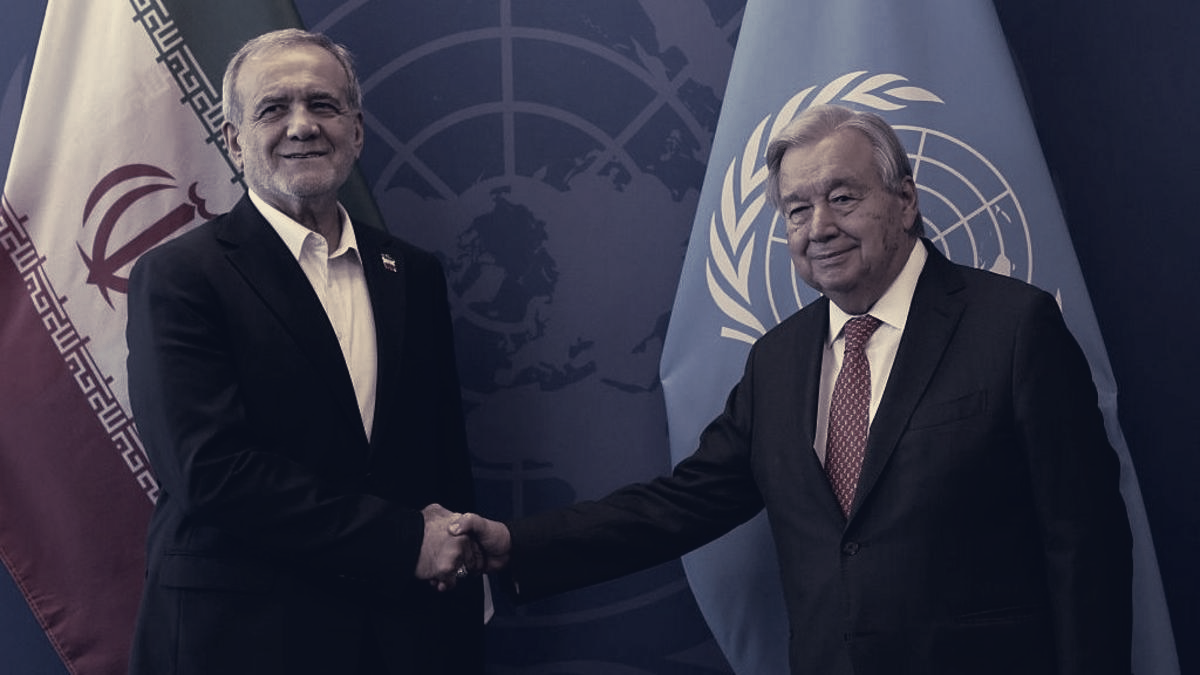
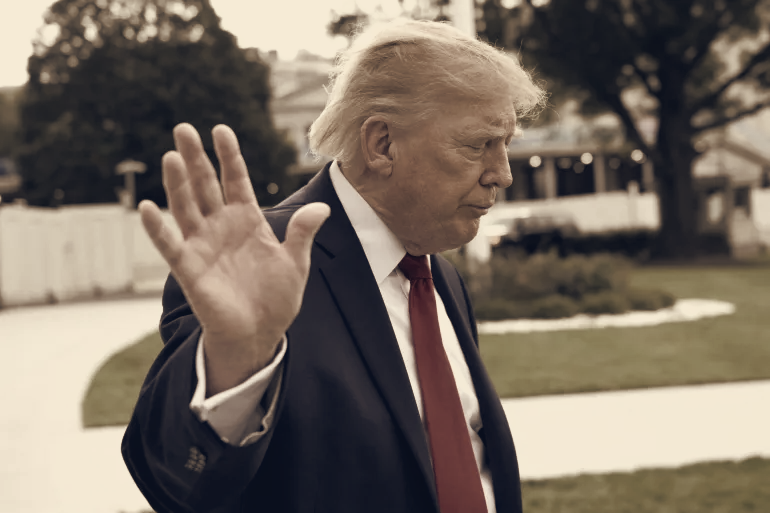
Diplomatic momentum to ease the US-Iran war faltered after US President Donald Trump rejected Iran’s latest proposal to reopen the Strait of Hormuz, as the UN General Assembly concluded on 27 September 2026.
Mohammad Qasem reported the rejection amid a week of intense diplomacy in New York that delivered mixed outcomes rather than a clear breakthrough. The failure to secure US support for Iran’s offer leaves a key practical confidence-building measure off the table at a moment when regional tensions remain high.
At the same time, separate diplomatic threads moved forward. Russia and Germany re-established high-level talks, restoring direct channels between those governments that could influence broader alignments over the crisis. China publicly criticised Washington’s approach to the region, signalling Beijing’s opposition to US policy even as multiple capitals sought to manage fallout from the conflict.
The combination of these developments produced an uneven diplomatic picture: some bilateral contacts reopened, but a central stepping stone toward de-escalation, reopening the Strait under international oversight, was rejected by the United States. That gap narrows immediate options for coordinated international action aimed at stabilising shipping and reducing the risk of further escalation.
As the UN session closed with mixed results, the next phase of diplomacy will likely focus on whether other proposals can bridge US and Iranian differences, and whether the revived Russia-Germany dialogue or China’s public objections will shift calculations in Washington or Tehran. For now, the most concrete proposal on the table did not secure US acceptance, leaving practical steps to reduce maritime tension unresolved.