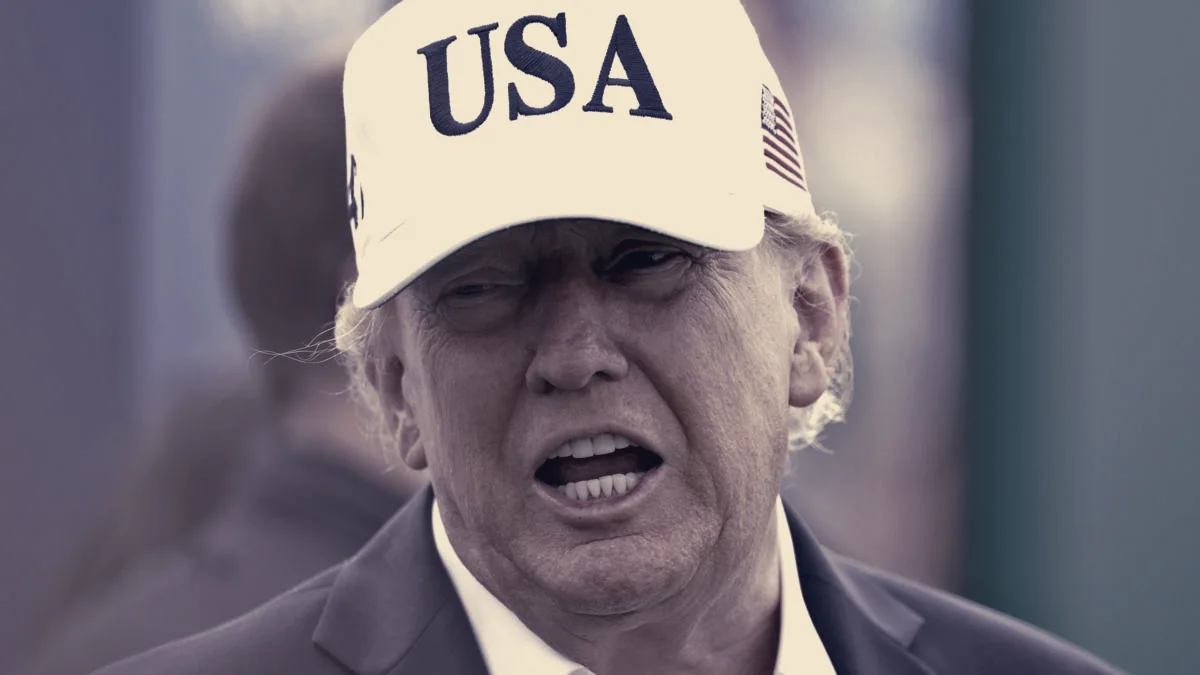
By declaring artificial intelligence a top economic priority and rejecting prominent safety warnings, President Donald Trump has pushed AI into the centre of US political conflict, risking intra‑party divisions and elevating presidential control over regulatory choices. Trump has described alarm about AI as overblown, characterising some warnings as a hoax and invoking apocalyptic imagery when he wrote that "robots will be marching into our cities and getting rid of us all." At the same time he has promoted AI’s upside, calling it "the greatest economic development engine in history" in recent social media posts.
The president also signalled a preference for executive-led oversight. In a social media post he wrote, "The only control or 'guardrails' that AI needs is a STRONG AND SMART (High IQ!) PRESIDENT, and the U.S.A. has that, in spades," a formulation that shifts the policy debate away from new legislative frameworks and toward decisions made in the White House.
That stance drew sharp public responses across the political spectrum. At a "pro-human" conference, former adviser Steve Bannon warned, "We think this could be a great technology, but we're not going to give these guys a carte blanche," adding, "There's been no debate." Senator Bernie Sanders addressed the same audience with stronger language on the risks, saying policymakers had failed to confront the "potentially catastrophic consequence" of unregulated AI, and accusing lawmakers of negligence: "Congress under both Democratic and Republican control has been asleep at the wheel," he said, later adding, "And now we have a president whose ignorance regarding this issue is truly embarrassing."
The White House economic argument for a lighter regulatory touch is bolstered by recent data cited in coverage showing tech investment accounted for more than a third of all US economic expansion in the second quarter of 2026, a fact Trump links to rising markets and retirement portfolios he attributes to his stewardship. He has also cast AI as part of great power competition, declaring "We're leading China in AI," and adding, "and frankly, I want to keep it that way, because whoever wins AI wins," which turns regulatory choices into an element of national strategy as well as domestic policy.
By personally championing rapid deployment and presidential control, the president has made AI a headline political issue and provoked public rebukes that cross ideological lines. The immediate effect is a sharper, more public contest over whether to prioritise quick commercial gains and global competitiveness or pursue broader, cross‑party regulation; the dispute is likely to be prolonged as Congress, the White House and industry stakeholders stake out competing priorities.