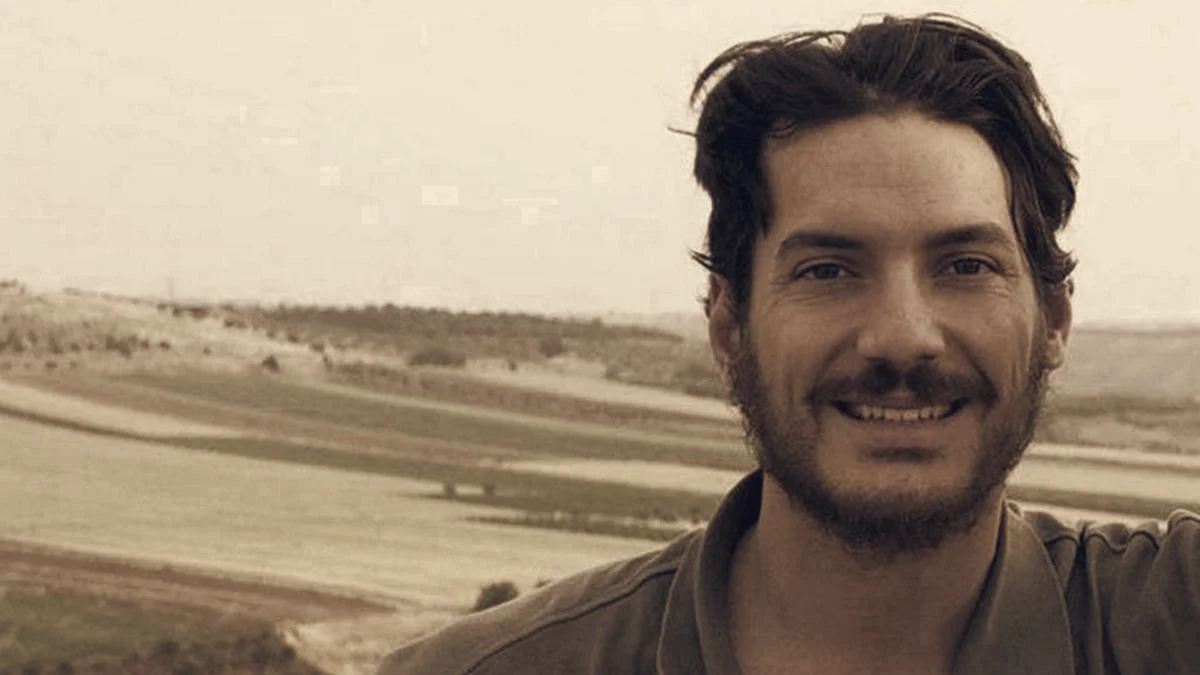
The release of secret Syrian intelligence files after the regime's collapse shows the government planned and approved the 2012 abduction of US journalist Austin Tice, placing responsibility squarely with state security rather than attributing his disappearance to chance.
Evidence assembled from hundreds of internal records and interviews with former regime operatives describes an operation that was monitored for weeks. The files provide the first definitive proof that Tice, a Georgetown law student and former US Marines captain reporting on Syria's civil war, was detained and held by Syrian security services.
Several men who say they were involved in Tice's detention describe a sequence of events that began when his driver, long suspected of passing information to regime contacts, told a senior member of the National Defence Forces that Tice was moving through rebel areas. The information reached Bassam al-Hassan, the head of the NDF and a trusted security figure, and was passed on to President Bashar al-Assad, one former detainee says.
“Bring him to us,” Assad replied, claims Abu Ali, a former NDF member. Abu Ali says he was then summoned and told the president had approved the operation. The abductors did not seize Tice immediately; they continued to monitor him. The driver later took the American's backpack for regime operatives to inspect, and when Tice left a rebel safehouse on 11 August 2012 he was confronted at a state facility on the outskirts of Damascus in an area called Tahouneh, Abu Ali says.
Witness accounts describe Tice initially trusting the driver, then realising the man planned to take him. Abu Ali recounts that Tice pleaded with the driver and even produced a chequebook, asking him to name his price. Tice was later seen in a video, blindfolded and distressed, posted more than a month after his capture. A former Syrian commander has said Tice was executed, but no remains have been found and other figures dispute that account.
US authorities searched multiple locations after the regime fell, using co-ordinates provided by an intelligence source, but the searches found no sign of Tice. The investigation found no evidence he was a US intelligence officer; a former senior US official involved in the case has denied that claim. Tice's mother, Debra, has repeatedly urged successive US presidents to continue efforts to find him.
The newly available files and interviews shift the narrative of Tice's disappearance from an opportunistic roadside abduction to a calculated, state-sanctioned operation tied to the Assad security apparatus. That finding increases pressure for accountability and renews questions about Tice's fate as legal and diplomatic efforts continue.