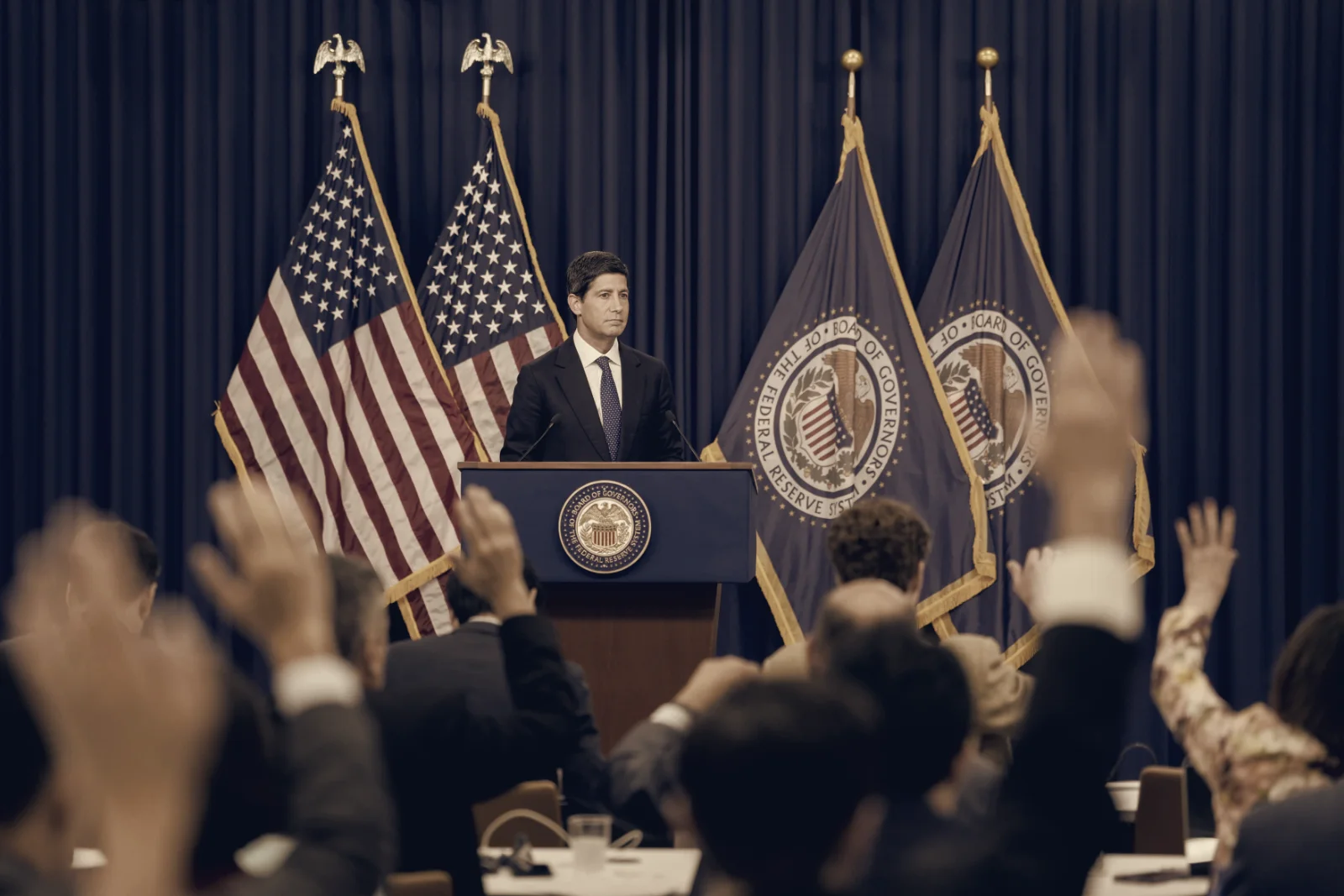
The Federal Reserve's claim to institutional independence is now exposed to intensified political and legal scrutiny after Kevin Warsh voted with the Federal Open Market Committee to raise interest rates by a quarter-point, despite public pressure from President Donald Trump and his aides to hold or cut borrowing costs.
Warsh said he made his decision after reviewing economic data and flagged concern about inflation running above the Fed's 2% target. When reporters asked if he had a message for the president, he replied, "I've got nothing for you on a discussion with the president."
The White House responded sharply. Spokesman Kush Desai called the rate increase "rather unfortunate" and said the administration did not see a compelling economic case for the move. On Truth Social the president wrote, "Interest Rates in the United States should be 1%, or less, because we are the Best Credit in the World, BY FAR."
Warsh's vote complicates an argument the president had advanced, that other Fed voters were preventing Warsh from following White House preferences. Mr. Trump chose Warsh in January after growing disillusioned with Jerome Powell, who in September 2024 voted to cut rates by a half-point.
Democrats who previously warned Warsh would not act independently now face a fresh judgment about whether that early assessment still applies. The decision also sharpens the options available to the administration. In 2025 the president attempted to remove Fed Governor Lisa Cook, a move the Supreme Court rebuffed because the president had not given Cook adequate explanation or process. The court wrote, "At minimum, Cook was entitled to some explanation of the evidence at issue, some avenue for a response, and a deadline by which a response would be due."
The White House has since restarted the removal process and set an Aug. 26 deadline for Cook's response, which she has submitted. The administration could seek her removal again, a step likely to be litigated. Other levers remain: the Department of Justice opened and then closed an inquiry into Powell, and the DOJ has said it may reopen that inquiry after the Fed inspector general issues its report. A consultant review into the 2023 failure of Silicon Valley Bank, an institution overseen by the Fed, could also provide grounds for challenging or removing officials involved in supervision, including Michael Barr, who remains on the Fed's board.
What comes next will depend on whether the White House moves forward with personnel or legal actions and on the timing of investigatory reports. For now, Warsh's decision to back a rate increase undercuts the premise that he would automatically follow presidential preference and places the fragile truce between the Fed and the administration under renewed strain.