Customers have permanently lost some data after Iranian strikes damaged Amazon Web Services data centers in Bahrain and the United Arab Emirates, AWS acknowledged in a September 15 dashboard update. The company said it was "unable to restore access to the resources and data" for portions of the war-damaged infrastructure and described the destruction as exceeding the protections its regional and multi-Availability Zone designs provide.
Amazon identified an irrecoverable loss in one of three availability zones in the UAE region, specifically mec1-az2. Each availability zone is supported by one or more physical data centers, and AWS said it continues work to recover regional resources and restore infrastructure in the other two UAE zones. In Bahrain the impact was broader: AWS reported it could not restore access to resources and data across all three availability zones there.
The outages follow a series of attacks that began on March 1, in the opening days of a wider conflict that started after US-Israeli attacks on Iran on February 28. AWS initially urged customers to move workloads to other regions and to rely on remote backups. The company also suspended customer billing in the affected Bahrain and UAE regions and issued $150 million in customer credits after the March strikes.
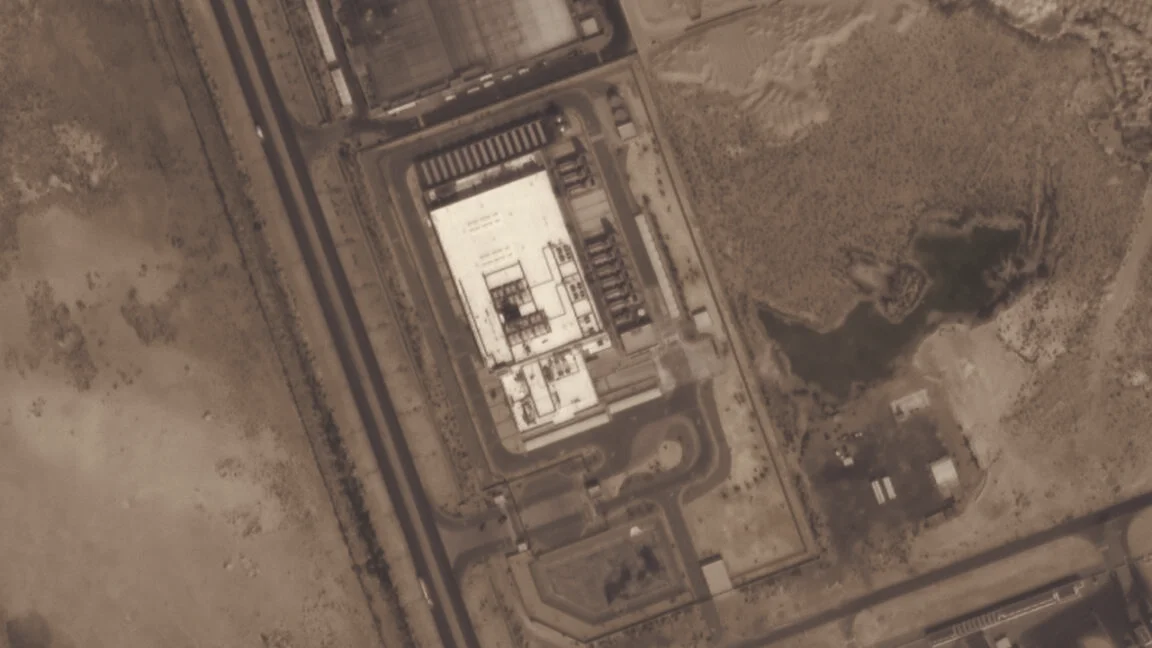
Additional incidents deepened the damage. A follow-up strike on April 1 affected a second availability zone in Bahrain, the company said, and on July 24 Iran’s Islamic Revolutionary Guard Corps launched a missile strike that hit a remaining Amazon data center structure in Bahrain. Independent satellite imagery confirmed that July damage. AWS said it is replacing affected infrastructure and will provide further updates in the coming months, with a longer-term update for Bahrain planned for early 2027.
The admission underscores a hard limit for cloud redundancy when physical facilities suffer wartime damage. While many customers migrated workloads after AWS advised them to do so, the company’s confirmation that some customer data is irretrievable makes clear that regional outages driven by kinetic attacks can produce lasting data loss. The strikes have also contributed to a broader regional conflict and a global energy squeeze, trends that have pushed renewed interest in renewable power generation such as rooftop solar.