
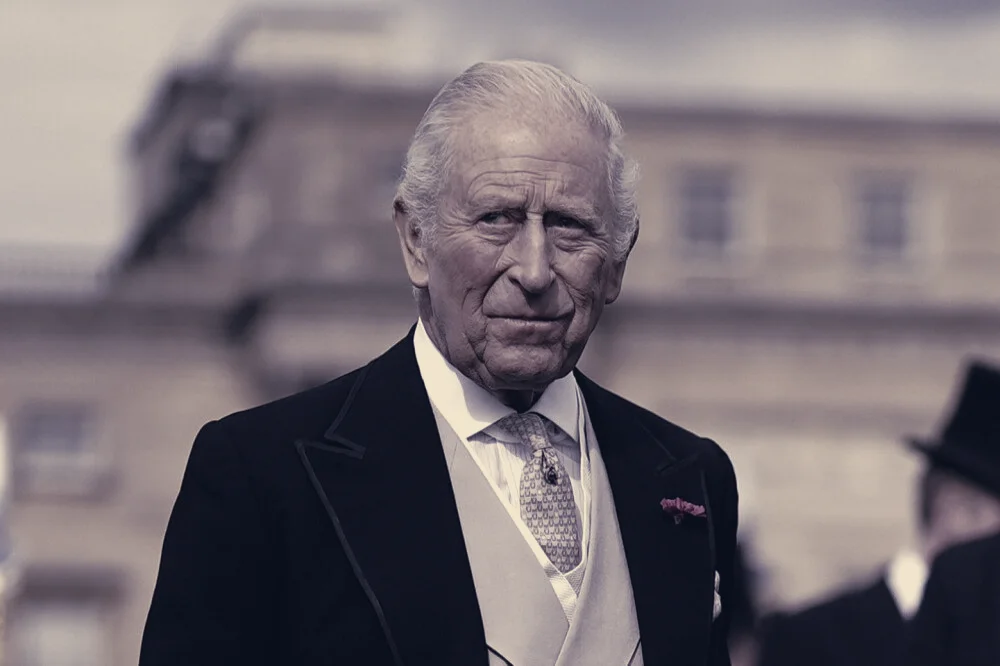
AI executives now face a public admonition to treat the potential misuse of their systems as a strategic risk, after King Charles III warned them of the "existential dangers" posed if the technology is misused. The intervention frames the issue not as a narrow technical debate but as a matter of wider social and political consequence.
The monarch's warning places responsibility squarely on industry leaders to consider how advanced systems could be accessed or abused. By highlighting the stakes in stark terms, the statement raises the profile of AI governance and invites scrutiny from civic institutions and the broader public.
For company boards and leadership teams the immediate implication is reputational: failure to show credible plans for limiting misuse could attract criticism beyond the specialist policy community. The remark also sets a context in which calls for clearer safeguards, robust access controls and transparent risk assessments are likely to gain traction.
Although the king did not specify policy measures or timelines, the tone of the warning signals an urgency that may shape conversations between executives, regulators and civil society. Industry actors will face pressure to demonstrate concrete steps they are taking to prevent harmful deployment and to explain how they manage access to powerful capabilities.
The intervention should be read as a political spotlight on the problem of misuse, one that increases the stakes for corporate decision-makers. What follows will depend on how firms respond publicly and whether policymakers use the moment to advance proposals for oversight. Absent further detail, the remark nonetheless reframes AI safety as a leadership and governance challenge that companies cannot treat as merely technical.