Millions of Cubans lost access to electricity on Friday after the island's entire power system suffered what the energy ministry described as a "total disconnection," triggering a nationwide outage.
Grid operator UNE said power had been restored to some priority areas by late evening, including sites close to hospitals and water pumping stations in Havana. UNE blamed a transmission fault, aggravated by poor weather in central Cuba, saying the outage began just before 14:00 local time on Friday, 18:00 GMT.
UNE's national load dispatch director, Felix Estrada, said protocols to begin a "gradual restoration" of supply were activated and that the recovery process was ongoing on Saturday. The operator did not give a timetable for full recovery.
Officials say this is at least the sixth partial or total blackout to affect Cuba so far this year. State statements and UNE cited ageing infrastructure and chronic fuel shortages as underlying problems, and noted those strains have worsened since the start of the year amid a US-imposed blockade on oil shipments to the communist-run nation.
The fuel shortfall has tightened supplies of other basic goods, officials say. Food and medicine have become scarcer, hospitals have struggled to operate normally, and some schools and government offices have been forced to close.
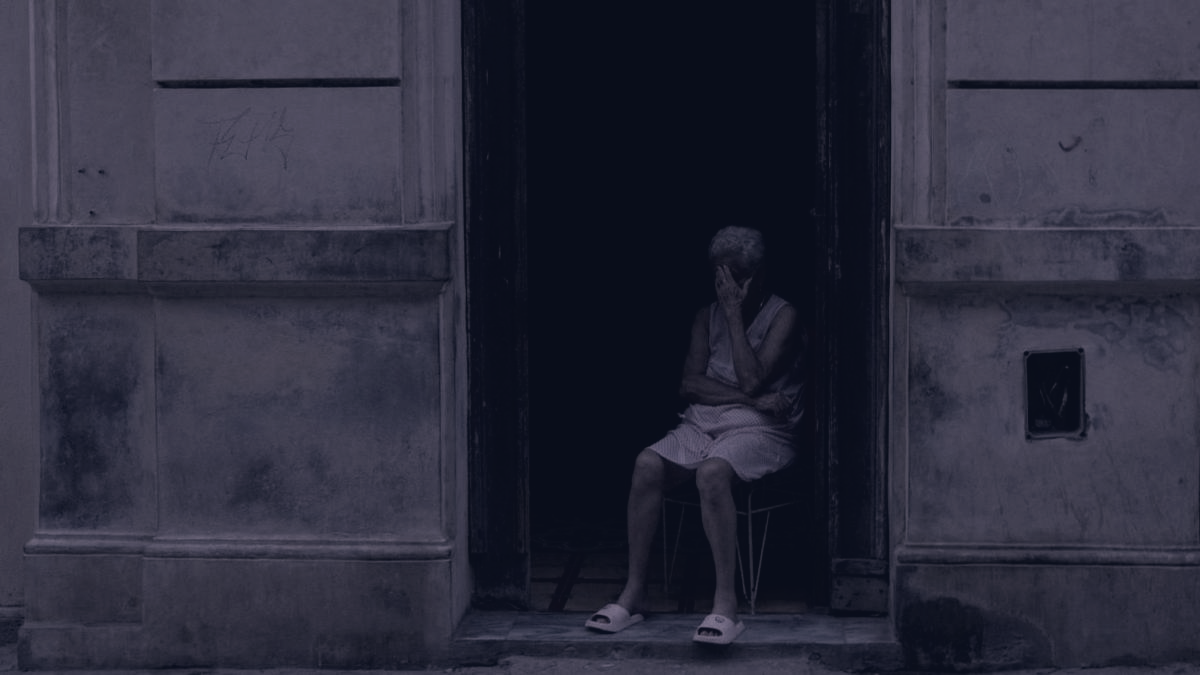
Residents described repeated and lengthening outages. Havana resident Frank Lorenzo said the cuts were happening with increasing frequency, noting that previously they occurred about once a month and that his household had been without electricity for 24 hours the day before the latest outage, with power restored only briefly. Schoolteacher Lidia Fernandez, 36, said households were suffering a cascade of shortages, with "no water, no gas for cooking, no electricity." Francisco Rodriguez, 78, said his home had been without power for 28 hours by Friday and he feared it could be "for several days."
The repeated blackouts have prompted rare public protests, despite the fact that unauthorised demonstrations are illegal and can lead to imprisonment.
Havana has publicly blamed the Trump administration for the fuel crisis, denouncing successive sanctions including a new round announced in August as part of a broader pressure campaign. Cuba's regional ally Venezuela was believed to have sent roughly 35,000 barrels of oil a day to the island, about half of its needs, until Venezuela's supplies were cut off following the US seizure of its President Nicolás Maduro in January.
Washington, for its part, attributes Cuba's energy problems to poor internal management and has accused the government of posing a "national security threat." US President Donald Trump has threatened tariffs on countries shipping oil to Havana, and a number of oil shipments to Cuba have been seized by the US. Trump has also publicly discussed measures to remove Cuba's leadership, including a threat of a "friendly takeover" in March this year.
UNE said the staged restoration continued into Saturday, but did not offer a schedule for restoring power across the whole island.