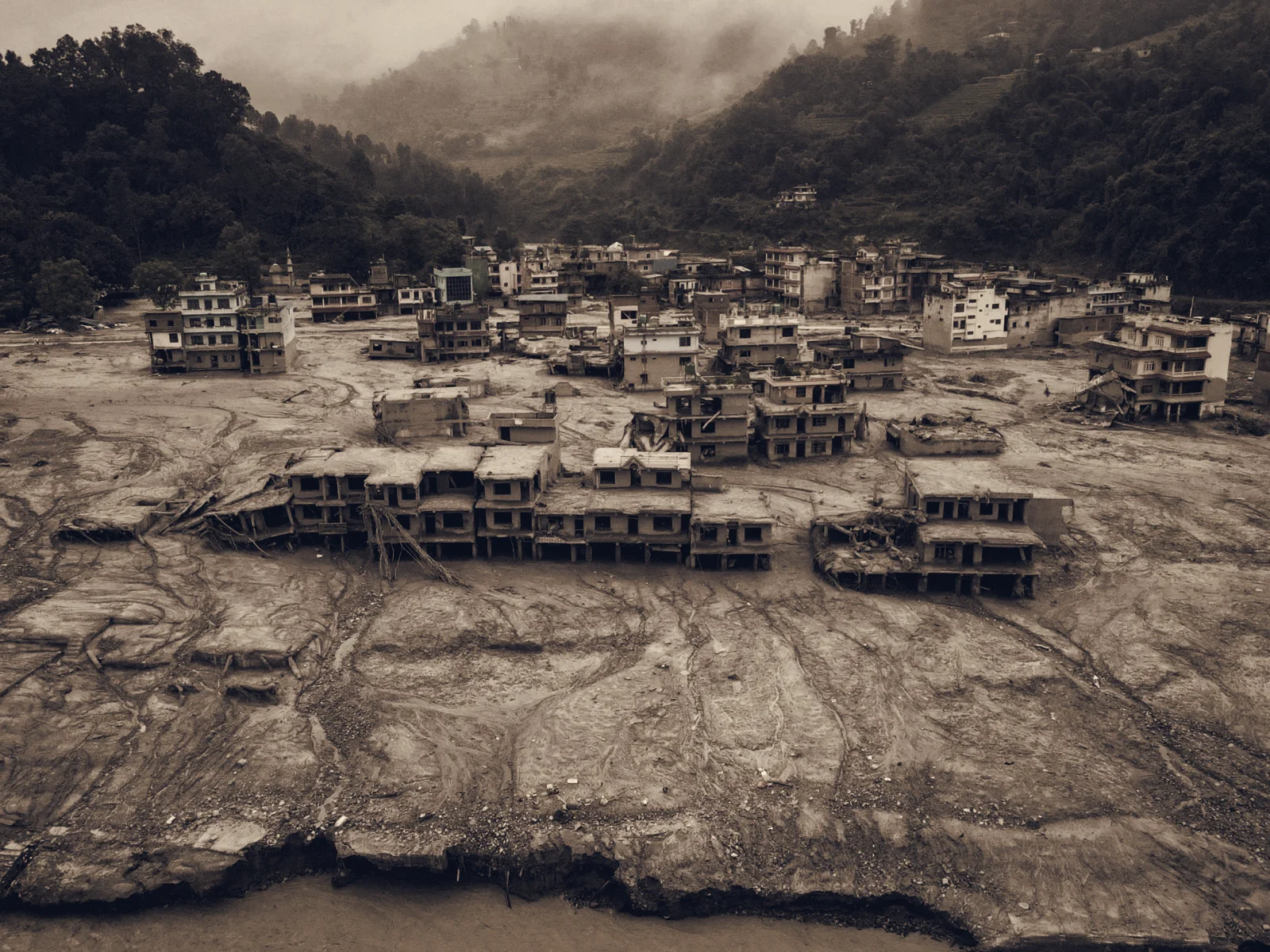
Nepal must shoulder a reconstruction bill of $4.7bn after a glacier and rock collapse on Langtang Lirung sent floods through the Bhotekoshi and Trishuli valleys, a cost equal to roughly 10 percent of the country’s annual GDP and more than a third of its federal budget. Officials have confirmed more than 1,380 dead and about 5,100 people still missing, while thousands of homes and stretches of infrastructure were destroyed.
The international political response so far has concentrated on immediate relief, not long-term rebuilding. Washington pledged $3.6m, London $6m and the European Union $2.3m. These emergency sums matter for search, rescue and short-term relief, but they leave a vast gap between urgent humanitarian needs and the funds required to repair roads, replace shelters and prepare communities for winter.
Nepal has framed the disaster as part of the broader climate crisis and sought support from the United Nations Fund for Responding to Loss and Damage, whose board is now considering how to respond. That shift turns the question toward who should pay for climate-driven loss and damage, rather than treating aid as charity.
The issue traces back to the political compromises under the Paris Agreement. Developing countries won formal recognition of loss and damage in Article 8, yet the accompanying decision text limited what that recognition would permit, drawing a boundary around state liability and compensation. Nepal’s appeal to the UN fund tests how far that boundary still holds.
The legal backdrop has also changed. A 2025 ruling by the International Court of Justice found that states have an obligation to protect the climate system and can be liable for reparations if they fail those duties. That decision has amplified debate about state responsibility for cross-border climate harms, without resolving how international institutions should allocate money for rebuilding.
Complicating matters, the flow of official development assistance shrank dramatically in 2025, falling 23.1 percent in the largest annual contraction on record, while humanitarian aid also declined. That contraction comes as climate losses are rising, leaving poorer states to bear mounting costs or to borrow to rebuild.
The Nepal floods therefore highlight a broader political and financial tension: recognizing climate-driven damage is now mainstream, but wealthy states have so far offered sums that meet immediate needs only. The outcome of the UN loss and damage fund’s deliberations will shape whether reconstruction in Nepal is financed as short-term relief, as obligations tied to emissions history, or through loans and private finance that could saddle the country with debt.