
U.S. military preparedness is facing fresh uncertainty after a personnel reshuffle that has thinned the Pentagon's senior ranks at a moment when forces are deploying toward the Gulf. The change in the leadership layer has produced high-profile resignations and prompted former officials to warn the churn could blunt the Pentagon's ability to respond to crises.
Most immediately, Dan Driscoll left his post as US Secretary of the Army last week after disputes over the pace and form of modernisation. Driscoll had advocated folding cheaper unmanned systems into routine Army units and argued that the war in Ukraine showed how drones and evolving air defences were changing battlefield calculus, a shift that touches procurement and doctrine.
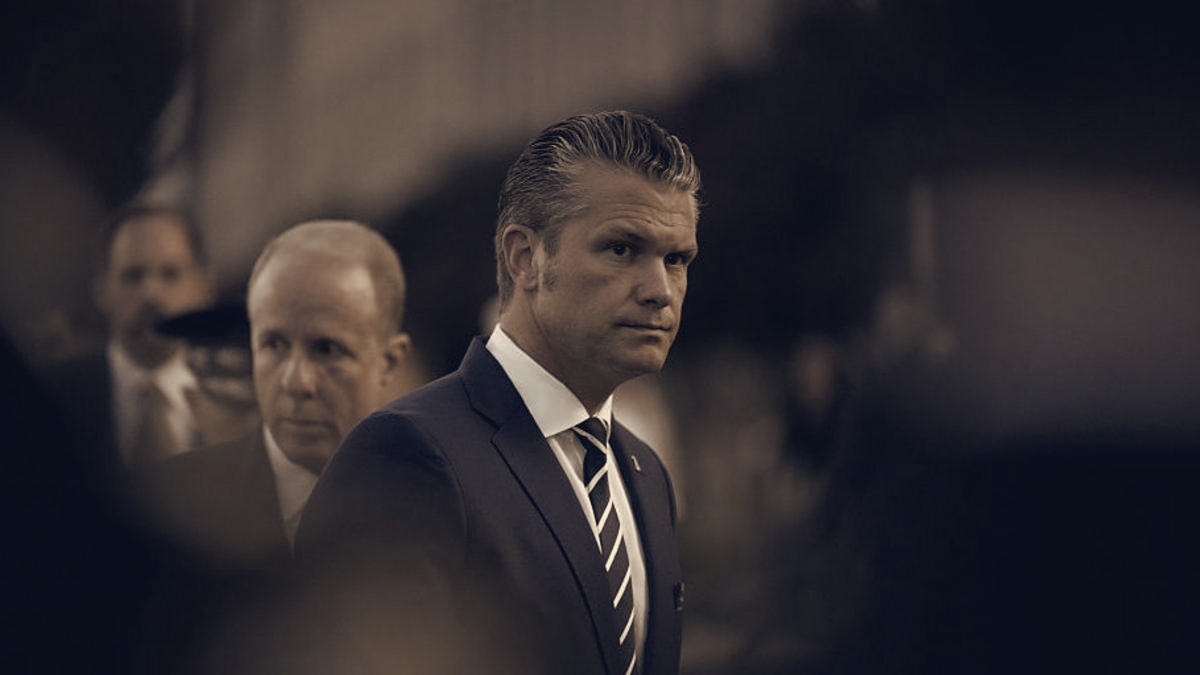
Current and former defence figures describe Driscoll's departure as the latest episode in a broader campaign by Secretary Pete Hegseth to remake the department's leadership. Hegseth, a former Army National Guardsman and one-time Fox News commentator, has eliminated or scaled back diversity programmes, banned beards, criticised what he calls "woke" initiatives, and removed or sidelined top uniformed chiefs across the Army, Navy and Air Force, along with at least two dozen generals, admirals and civilian defence officials, including some highly decorated officers.
The personnel moves have provoked unusually blunt public pushback from senior figures. Senator Thom Tillis said, "I have never witnessed more inept management of the brave men and women who serve our country." H.R. McMaster added, "This is not good news. You know, for our nation, for the army." Retired Navy captain Jon Duffy warned the exits have "downstream effects on the force," disrupting momentum behind modernisation.
Analysts caution the scope resembles prior political purges inside military institutions. Michael Schiffer said, "We've been conducting a military purge as well, and that has real effects on the ability of our military to be able to discharge its responsibilities," and that the changes are "bringing on board an awful lot of risk without any apparent way to be able to address or ameliorate it."
Supporters frame the overhaul as cultural correction. Vice-President JD Vance said he was in "strident agreement" with Hegseth on change and argued, "What Pete came in wanting to do was revive the warrior spirit in the United States of America." The personnel fight takes place as U.S. forces confront a standoff with Iran over control of the Strait of Hormuz, and critics warn leadership turbulence could reduce the military's capacity to react.
The departures have generated calls for accountability and leave open how the changes will affect defence policy and the broader legacy of President Donald Trump's second term. With key modernisation advocates gone and senior ranks shuffled, the Pentagon faces an immediate question: who will steer operations and reform as regional tensions intensify.