U.S. missile-defence inventories have been heavily drawn down and face multi-year replenishment, after the Pentagon spent an estimated $38.1 billion on the war with Iran through Aug. 1, the Congressional Budget Office reported. The CBO calculated the five-month fight averaged about $246 million per day and said each additional month of operations would likely add $2 billion to $3 billion in costs.
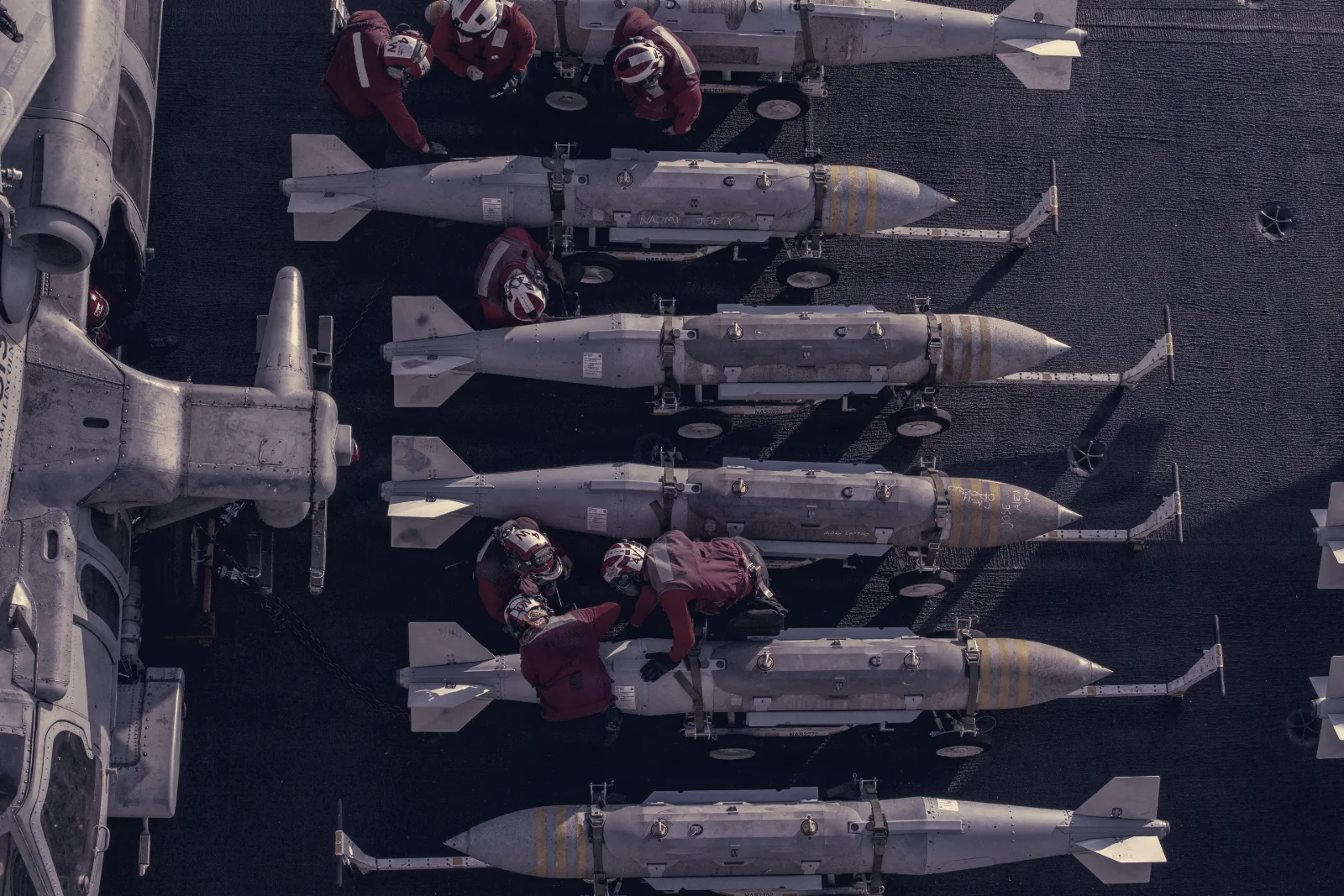
The bulk of the bill went to munitions replacement, the CBO found, with more than half of the $38.1 billion used to replace expended missiles and related ordnance. Increased flight hours added roughly $10.4 billion to the tab, and rising fuel costs accounted for about $2.7 billion. The office warned the conflict had consumed as much as two thirds of U.S. missile-defense interceptors since June 2025, a depletion driven largely by U.S. help defending Israel against Iranian strikes.
The CBO cautioned the shortage could be "especially problematic" in a war with an adversary that fields large numbers of ballistic and cruise missiles, and it explicitly cited the prospect of confrontation with China over Taiwan. Rebuilding those inventories would probably take at least five years even with accelerated production, the office said, a timeframe that strains both procurement budgets and industrial capacity.
The CBO’s tally aligns with a Defense Department inspector general accounting that placed Pentagon costs at $33.4 billion through June 29, broken down into $7.4 billion in incremental operating costs, $22.3 billion to replace expended munitions, and $3.7 billion in equipment losses. The inspector general also flagged shortages of solid rocket motors, explosives, propellants and skilled workers, constraints that complicate faster restocking.
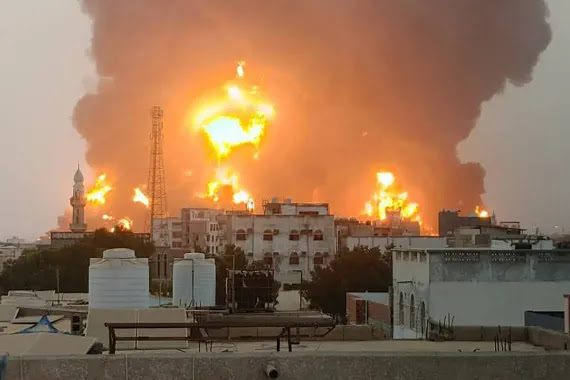
Iranian strikes damaged or destroyed hundreds of structures at bases across eight Middle Eastern countries and struck dozens of aircraft, the inspector general found, including four F-15E fighters, an F-35A, seven KC-135 tankers, seven helicopters and more than 30 drones. The CBO underscored the price of those losses, noting an F-35A can cost as much as $92 million and that the F-15E carried a historical price tag of $31.1 million in 1998, according to the U.S. Air Force.
Beyond defense budgets, the CBO tied the conflict to higher consumer prices by disrupting oil flows and shipping. It estimated the war will raise year-over-year personal consumption expenditures inflation by 0.5 percentage points by the first quarter of 2027, with core PCE up 0.3 points, and projected gasoline and other fuels will account for about 40 percent of the war’s effect on prices by early 2027.
The Pentagon also flagged $79.2 million in State Department costs for evacuations and contingencies and $184 million in diplomatic site damage across Iraq, Kuwait, Saudi Arabia and the United Arab Emirates, while plans and funding to rebuild damaged bases remain unspecified. The CBO’s accounting sharpens the fiscal trade-offs facing lawmakers, who must weigh recurring combat costs and long lead times to restore critical missile inventories against economic spillovers that reach consumers through higher fuel and shipping expenses.