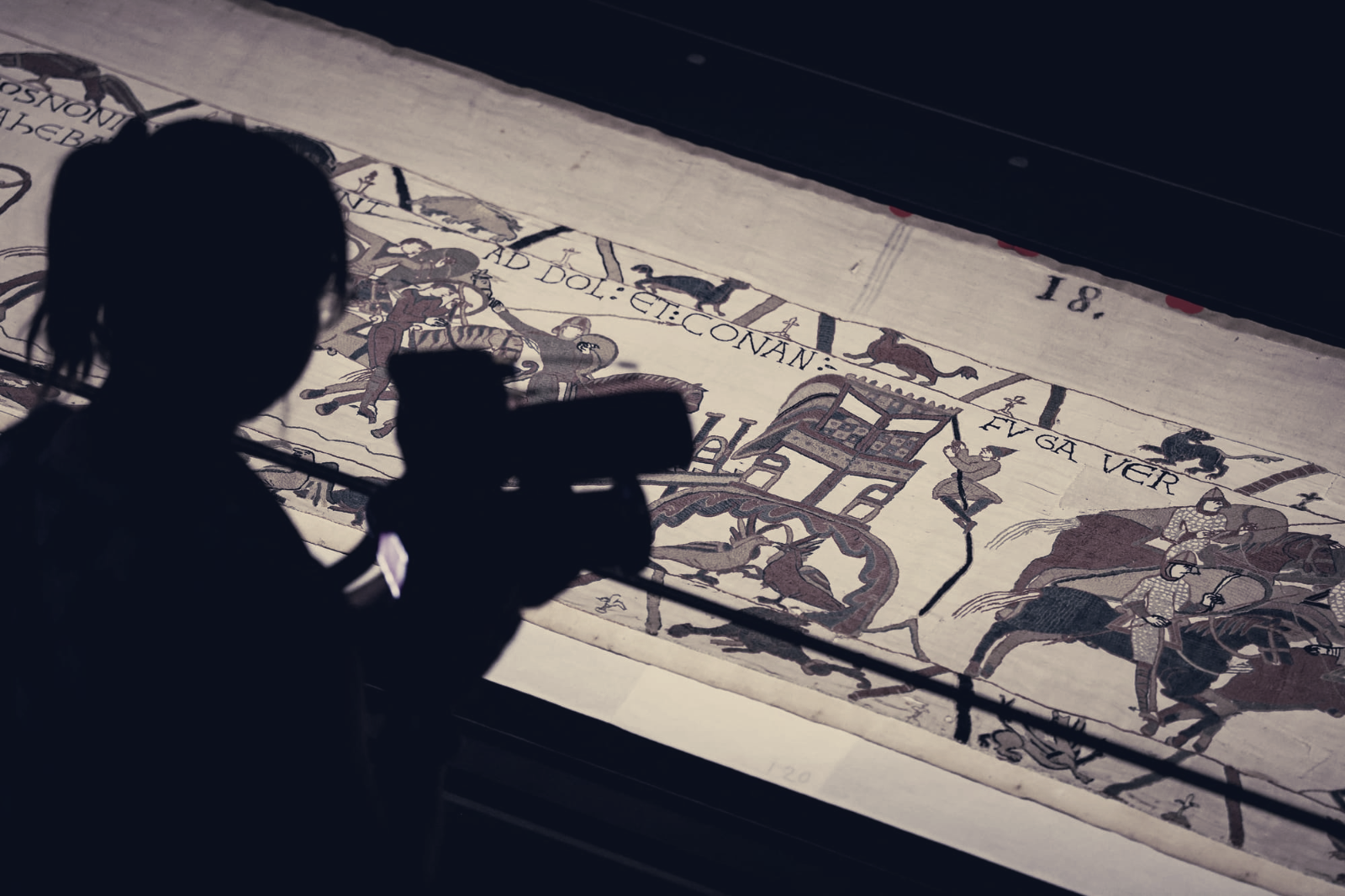
Visitors who expected to take pictures of the near‑thousand‑year‑old Bayeux Tapestry will no longer be allowed to do so, after the British Museum withdrew an earlier permission less than a week after ticketed entry began. The change removes a benefit many bought into when they booked, and it was signalled on site by new signage outside the gallery that now prohibits all photography.
The reversal was flagged by blogger and former museum professional Maxwell Blowfield, who pointed to the updated notices. On opening day, September 10, e‑tickets indicated photography was permitted, and hundreds of ticket holders took informal pictures under that guidance. The museum’s public rules initially stated that non‑flash photography would be allowed, but the online guidance was amended after the exhibition opened to disallow photography entirely.
A British Museum spokesperson set out the reason for the switch, saying, "There has been enormous interest in viewing the Tapestry, and our priority is to ensure that all visitors have the best experience possible. In order to do this, we have made the decision to restrict photography while people are moving along the length of the Tapestry." The statement frames the ban as a measure to manage flow and protect how people view the long, linear display.
The update leaves people who bought tickets under the earlier wording without the option to take non‑flash images, and it creates a clear enforcement point for front‑of‑house staff charged with supervising the narrow gallery. Museum teams will now need to police the new rule while managing large numbers of visitors drawn to a single, fragile object.
Beyond the immediate operational impact, the decision highlights the trade‑offs institutions face when a high‑interest loan arrives: balancing public access with the need to control conditions around delicate works. The Bayeux Tapestry gallery is operating under the stricter rules; visitors should follow the posted signage when they visit.