Gulf states now face the prospect of defending one of the world's key maritime chokepoints with reduced American military backing, after US President Donald Trump signalled reluctance to open a new front against the Houthis following their capture of coastal positions at Dhubab, the port of Mocha and Perim (Mayyun) Island at the entrance to Bab al-Mandeb.
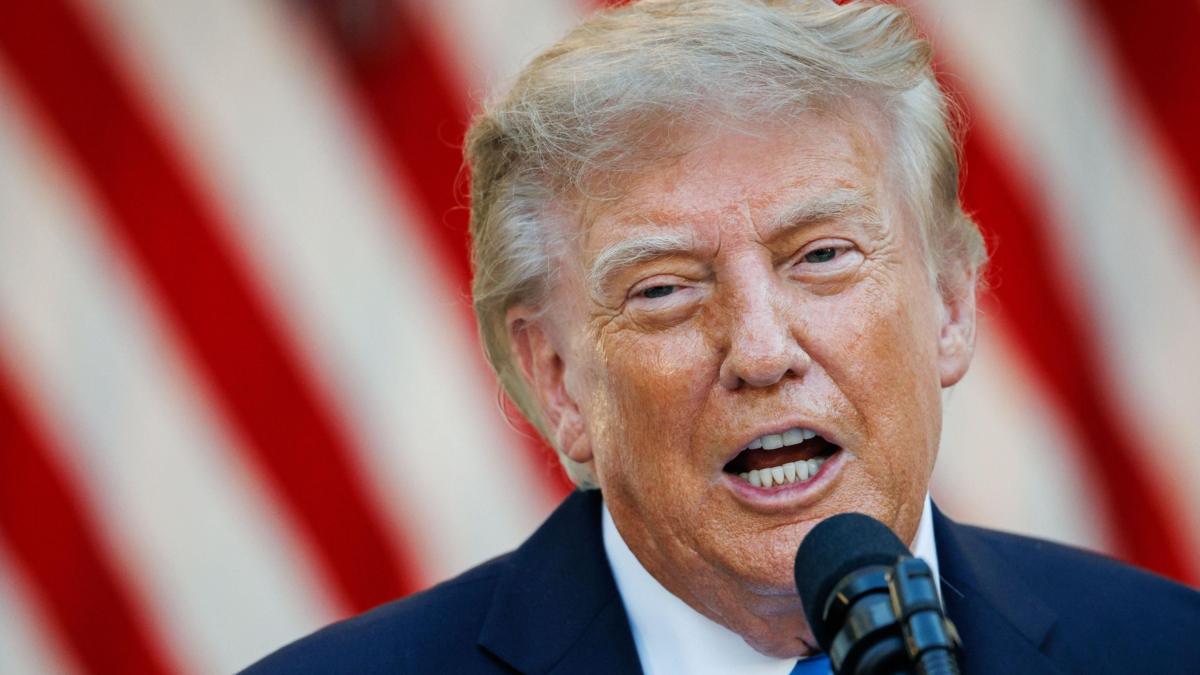
Speaking in Dublin on September 12, 2026, Trump said the Houthis "called us, and they don't want to fight us," and added they were "allowing ships to pass" while the situation would "work out very well." His comments came as the Houthi leadership threatened to blockade Saudi oil supplies to Asia and Saudi commercial shipping, a move that challenges the long-standing security exchange that underpinned Gulf stability.
Trump's public stance reflects a hierarchy of priorities outlined by administration officials, who place Iran and the security of the Strait of Hormuz above confronting the Houthis in Yemen. The president also asserted US "tight control" over the Strait of Hormuz and claimed about 25 ships transit it each day on average, a figure maritime sources disputed. The White House has offered no explicit guarantees to protect Saudi energy infrastructure or maritime routes in response to the Houthi advance.
Domestic politics has shaped the decision not to intervene directly. Reporting cited by the Los Angeles Times and comments Trump made to Fox News indicate he was wary of escalating military action ahead of congressional elections, telling interviewers he "might not do it because of the elections." That calculation follows a period in which the US joined Israel in striking Iran in February 2026 without consulting Gulf partners, and where US forces remain heavily engaged on the Iranian front.
Saudi officials publicly denied accounts claiming Crown Prince Mohammed bin Salman had phoned Trump twice to press for strikes before the coast fell, pointing instead to prior reporting that Saudi ministers told US leaders the kingdom could handle the confrontation itself. At the same time, Admiral Brad Cooper, commander of US Central Command, travelled to Riyadh for urgent talks, signalling Washington intends to "intensify its support" for Saudi Arabia while stopping short of direct military intervention.
The broader pattern is consistent with earlier US restraint, including the administration's response to the 2019 Aramco attack that temporarily removed half of Saudi oil output from the market, an assault the Houthis claimed but that was believed to have originated from Iraqi factions. For Gulf capitals, the present moment tests the limits of US commitments: Washington appears willing to coordinate and bolster allies short of opening another combat front, leaving regional states to fill the security void at a critical maritime chokepoint.