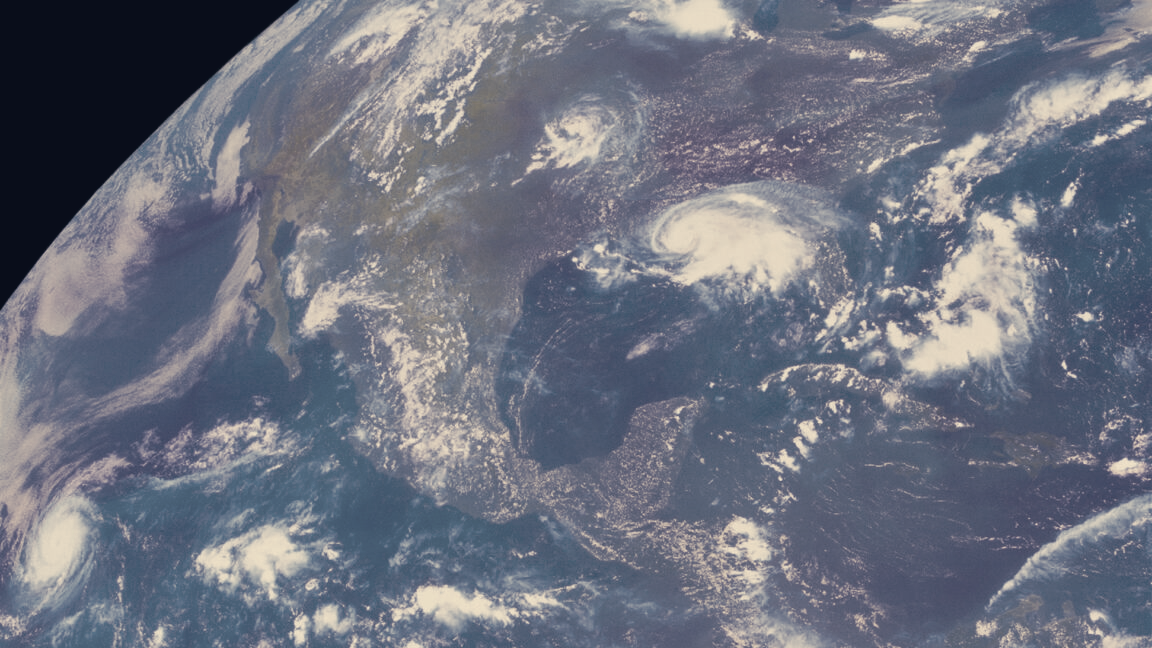

Google's WeatherNext v3 now pulls satellite observations into its inputs, reducing the delay between what the atmosphere is doing now and the forecasts the model produces. That change shortens the latency that separates observations from predictions, which matters most for short-term weather updates.
AI-driven forecast systems like WeatherNext aim to match the performance of traditional numerical weather models while using far less computing horsepower. That smaller compute footprint is a core advantage, because it makes frequent re-running of forecasts feasible without the same hardware costs associated with conventional systems. Google says the new release continues that approach while broadening the model's data sources.
The key technical change in version 3 is the addition of satellite-derived data streams. Bringing satellite inputs into the model narrows the gap between the freshest observations and the internal state the model uses to make predictions. Google published a white paper describing the update and the engineering choices behind it.
Many operational weather models rely on what is called a reanalysis, a separate system that ingests diverse observations and produces a consistent global snapshot of the atmosphere. Reanalyses fill gaps where direct measurements do not exist, because forecast systems require a complete, global picture to run. By adding satellite inputs, WeatherNext aligns itself more closely with that established practice of combining multiple observation types to improve the starting point for forecasts.
The update reinforces a broader pattern in which machine-learning forecasts adopt the richer input sets of traditional systems while retaining lower computational demands. That combination should allow the model to produce fresher predictions more often, especially for short-range forecasting where timely satellite observations have the most impact. Google's white paper provides the detailed description of the change and the rationale for integrating satellite data.