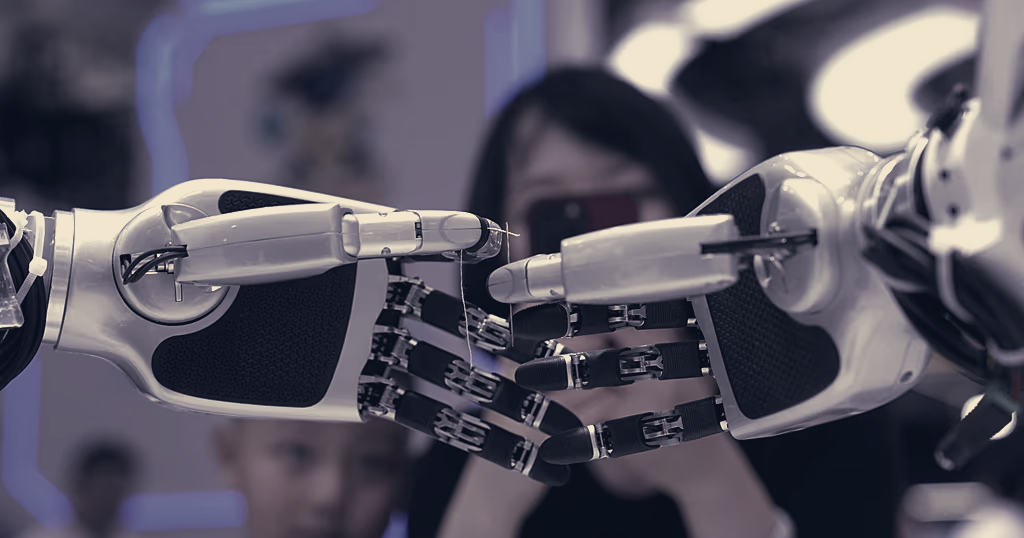
Deaf pupils in Kenya can follow lessons more closely after ZeroBionic developed a mechanical hand that converts teachers' spoken words into sign language in real time.
The Nairobi start-up, co-founded by 22-year-old Norah Kimathi, demonstrated the device at Kasarani Treeside Secondary School for the Deaf, where students and staff tested the system in class. The company built its own hardware and software in a small Nairobi lab, producing parts on 3D printers and repurposing recycled materials to keep costs low.
ZeroBionic says each hand costs roughly $350 and can last for up to two years. The devices are already in 78 schools across Kenya and operate with a reported 92-percent speech-to-sign accuracy rate. The team also uses a humanoid robot called Africa One to practise and expand the range of signs the mechanical limbs reproduce.
To broaden the vocabulary available to learners, deaf teachers wear an imported bodysuit to record and store signs. Those recordings feed a growing database of technical terms drawn from English, American and Kenyan sign vocabularies, a resource ZeroBionic hopes will reduce the patchwork of improvised signs many pupils currently encounter. The start-up developed the dataset because, Kimathi said at the company's tiny lab in Nairobi, "The biggest challenge we faced actually was in Africa we don't have a standardised African sign language dataset."
Students at the school welcomed the equipment. Sharon Mumbe, 19, described the device as giving her "hope for the future," adding, "I'll be able to understand different concepts better." Kimathi also framed the project's human payoff, saying, "We know we're going to put a smile on someone else's face."
Work on the system continues in the lab, with teams refining signs and expanding the database so the hands can cover more classroom subjects. The combination of local hardware design, teacher-recorded signs and classroom trials represents a practical approach to closing the gap between the roughly 300,000 Kenyan children with hearing impairments and the 20,000 who were enrolled in schools as of 2024.