The European Central Bank raised its key deposit rate by 25 basis points to 2.5%, prioritising a response to persistent price pressures while signalling it may tighten further if risks materialise. Policymakers said the outlook remains uncertain, with upside risks to inflation and downside risks to growth as energy costs and geopolitical developments feed through to the economy.
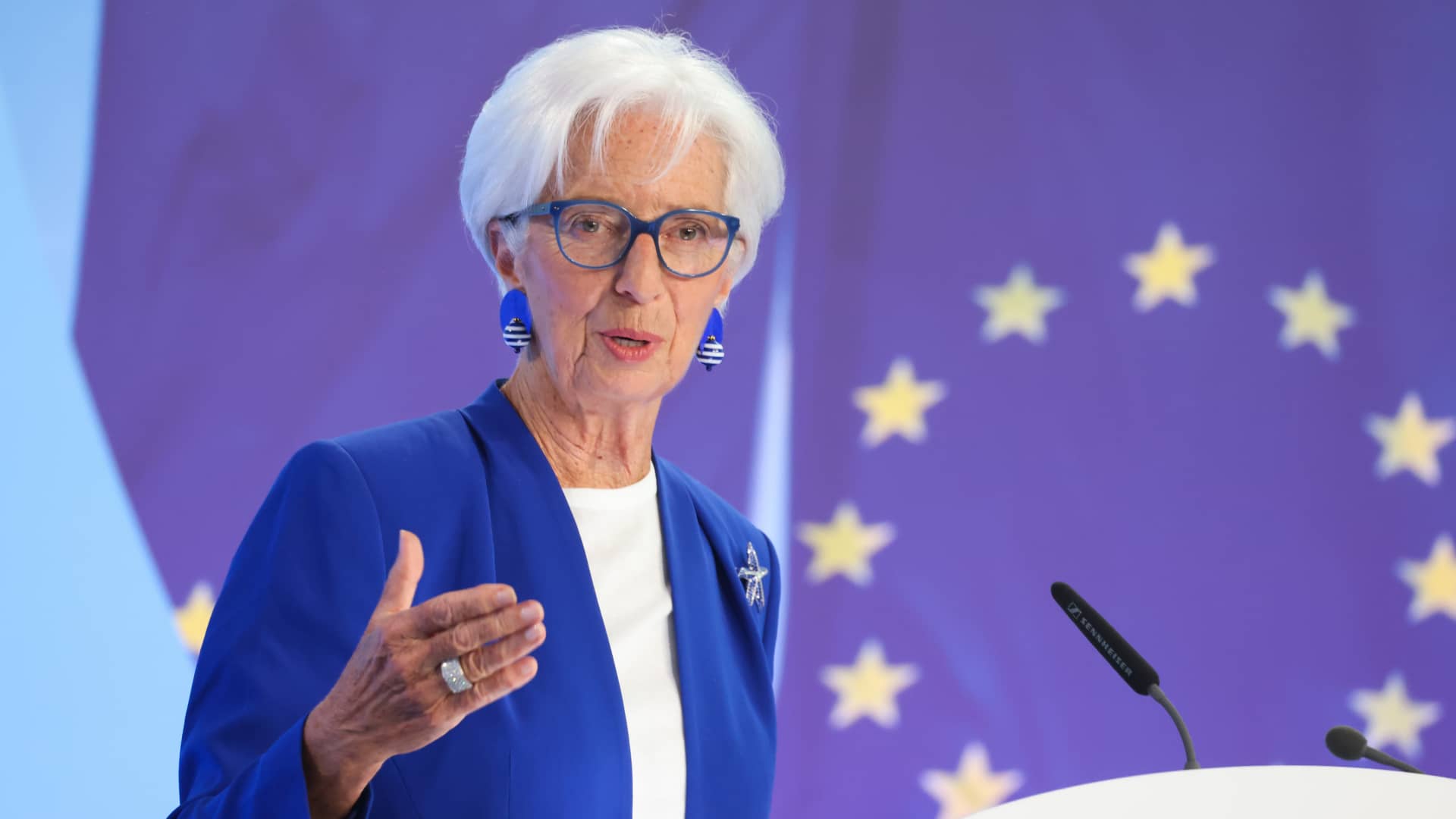
ECB President Christine Lagarde highlighted that the conflict in the Middle East and recent developments in Russia’s war on Ukraine will keep headline inflation "well above target" the bank’s 2% goal for an extended period. She also pointed to the euro area’s "greater-than-expected resilience" even as an energy price shock and global trade frictions threaten growth.
The bank’s updated central projections show core inflation, excluding energy and food, at 2.5% in 2026, 2.6% in 2027 and 2.3% in 2028, reflecting a view that inflationary forces could persist. Recent data underlined those pressures: euro zone inflation was 3.3% in August and energy inflation surged to 14.3% that month. As a net energy importer, the currency bloc has felt the impact of higher and volatile oil prices after routes through the Strait of Hormuz were threatened.
Markets entered the meeting expecting the 25 basis point move, with LSEG data showing investors had fully priced the hike. Bond markets have already reacted to the shifting risk picture, pushing government borrowing costs higher and sending yields to multi-decade highs in recent weeks.
External strategists said the decision signals more tightening may be coming. Ed Hutchings, head of rates at Aviva Investors, said, "It's clear more hikes will be coming, and potentially more than one." Patrick Ernst, macro investment strategist at JP Morgan Private Bank, added that by keeping the option to tighten open, policymakers acknowledged that energy-led inflation remains a live threat, saying, "One hike is not a ceiling." Felix Feather, economist at Aberdeen, expects another increase at the ECB’s December meeting, citing the zone’s resilience alongside rising inflation forecasts.
The ECB reiterated a meeting-by-meeting approach to policy first flagged after the U.S.-Iran war escalated, and the Governing Council will hold a press conference in Berlin later the same day. Investors will parse policymakers’ remarks for guidance on timing and the size of any further moves as the bank balances elevated inflation risks against the risk of weaker growth.